
 简体中文
简体中文 Deutsch
 日本語
日本語 한국어
한국어 Tiếng Việt
 Русский
 ไทย
ไทย Bahasa Indonesia
 Bahasa Melayu
 Filipino
 لالعربية
 Français
Forklift Selection Difficulties in Narrow Aisle Operation
Selection core under space constraints
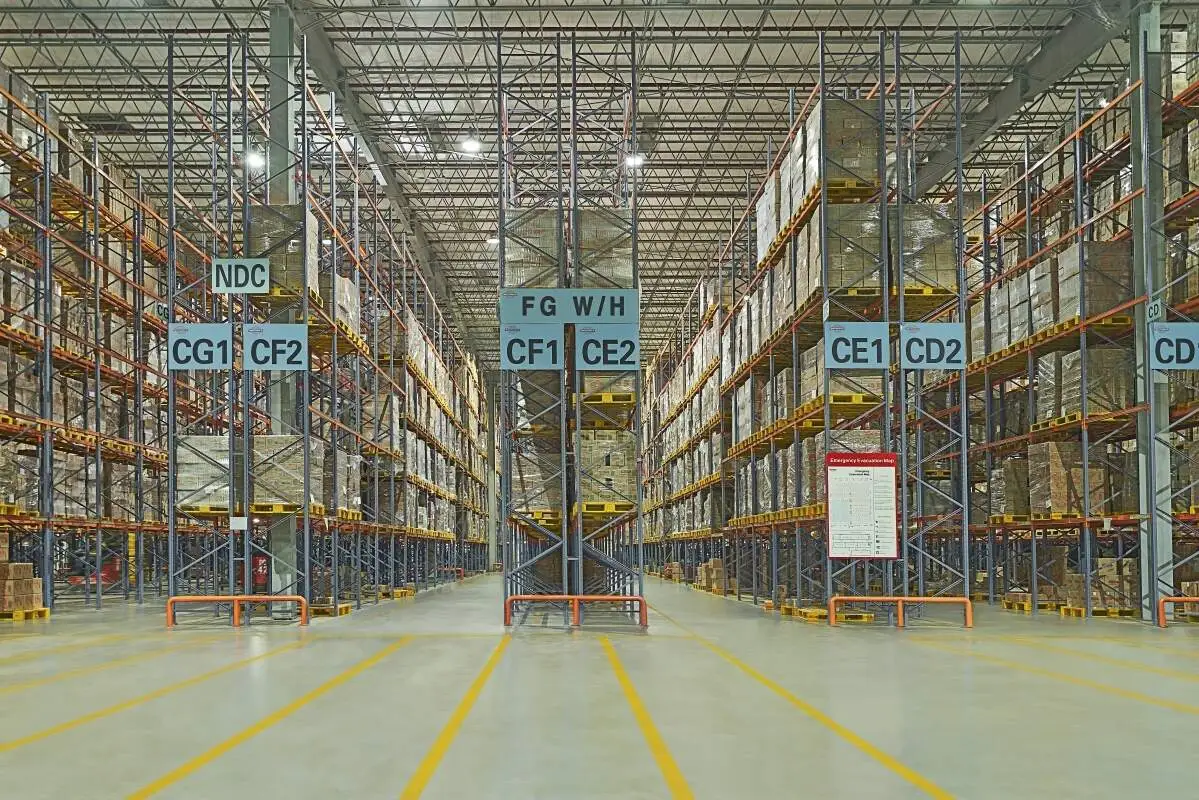
Narrow channel operations are mostly found in narrow spaces such as warehousing and logistics sorting areas. Ordinary four-point forklifts are difficult to complete efficient and smooth steering operations due to their large turning radius. Therefore, the selection of models requires priority to consider equipment flexibility, space adaptability, and operation efficiency.
The adaptation advantages of three-point models
Operational convenience brought by structural design
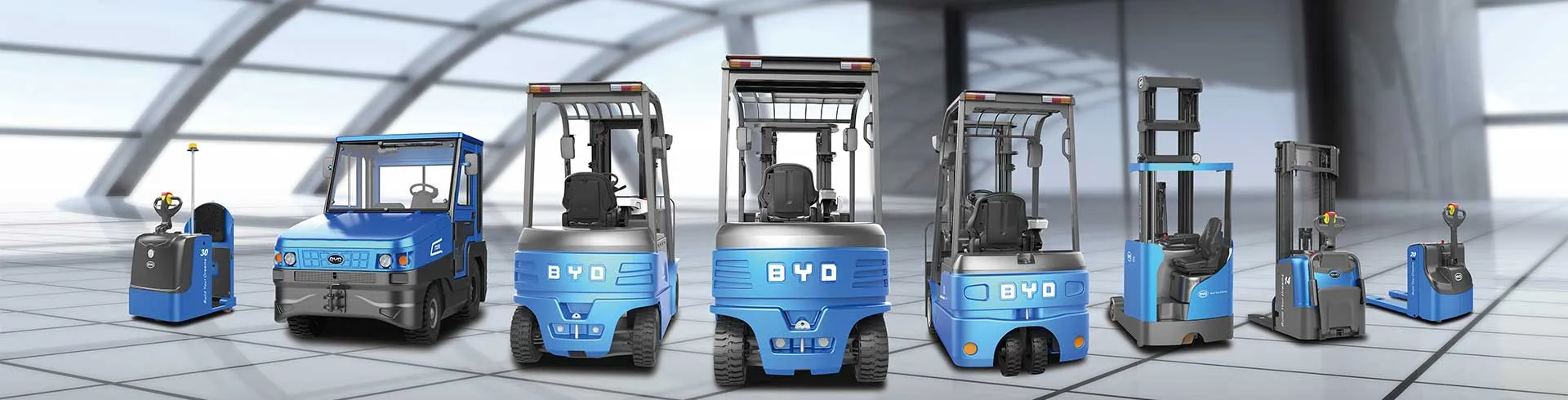
This three-point model adopts a compact structure, with a significantly smaller turning radius than conventional models of the same level. It can steer flexibly in a narrow channel without significantly adjusting the body. The suitable channel width requirements are low, and it can make full use of the narrow working space to improve the handling frequency and efficiency of the unit space. At the same time, its power output is stable, and the core movements such as lifting and steering are smooth, which can meet the frequent loading, unloading and transshipment needs of light and medium-sized materials.
Condition adaptability
For multi-scenario narrow-channel operations such as warehousing and e-commerce sorting, this three-pivot model has a moderate load-bearing capacity and a wide operating field of view, which is convenient for operators to observe the surrounding environment and material location in real time, effectively reducing the rate of operational errors, and the daily maintenance cost is relatively economical. It is a more practical model option in narrow-channel operation scenarios.


