
 简体中文
简体中文 Deutsch
 日本語
日本語 한국어
한국어 Tiếng Việt
 Русский
 ไทย
ไทย Bahasa Indonesia
 Bahasa Melayu
 Filipino
 لالعربية
 Français

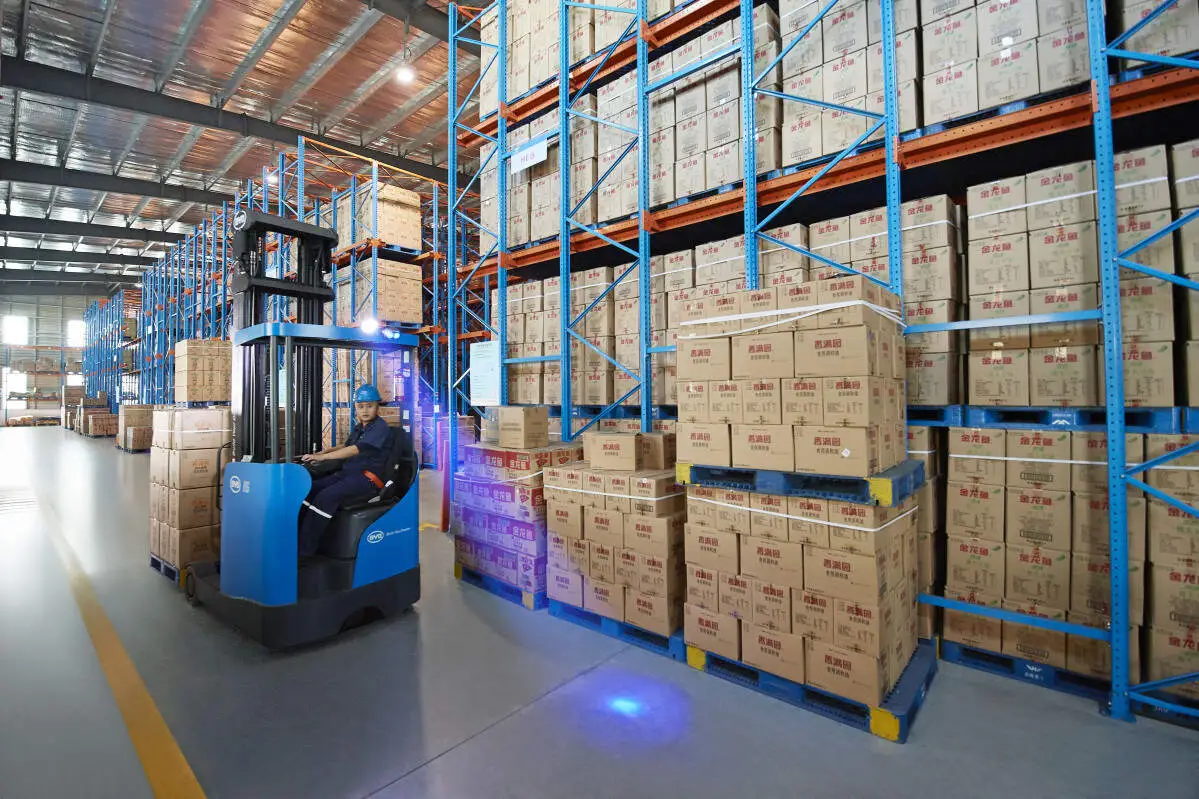
As a commonly used handling equipment in warehousing operations, the technical parameters of electric forklifts directly affect the operation efficiency and scene adaptability. Among them, the load, lifting height and turning radius are the core indicators, which need to be reasonably selected according to the actual needs. The load parameters of electric forklifts are the basic indicators of bearing capacity. The balanced design of static load and dynamic load can ensure stable cargo handling under standing and driving conditions on the ground, adapt to different specifications of pallets and goods, and reduce safety hazards in operations. The lifting height parameter determines the shelf height of the equipment, which can meet the access requirements of the bottom shelf during low-level operation. The design of the multi-stage telescopic door frame can expand the high-level operation capacity, adapt to the multi-layer shelf layout of three-dimensional storage, and reduce space waste. The turning radius is a key parameter for equipment to operate in narrow passages. A smaller turning radius can improve the space utilization rate of storage roadways, reduce turnaround time, adapt to the working environment of intensive warehouses, and cooperate with the flexible steering of electric drives to further improve the smoothness of operations. In actual selection, these three parameters need to be comprehensively considered in combination with the space size of the operation scene, the height of the shelf and the weight of the goods to ensure that the electric forklift can efficiently adapt to the daily operation needs and provide stable support for warehouse management.


