简体中文
简体中文 Deutsch
 日本語
日本語 한국어
한국어 Tiếng Việt
 Русский
 ไทย
ไทย Bahasa Indonesia
 Bahasa Melayu
 Filipino
 لالعربية
 Français
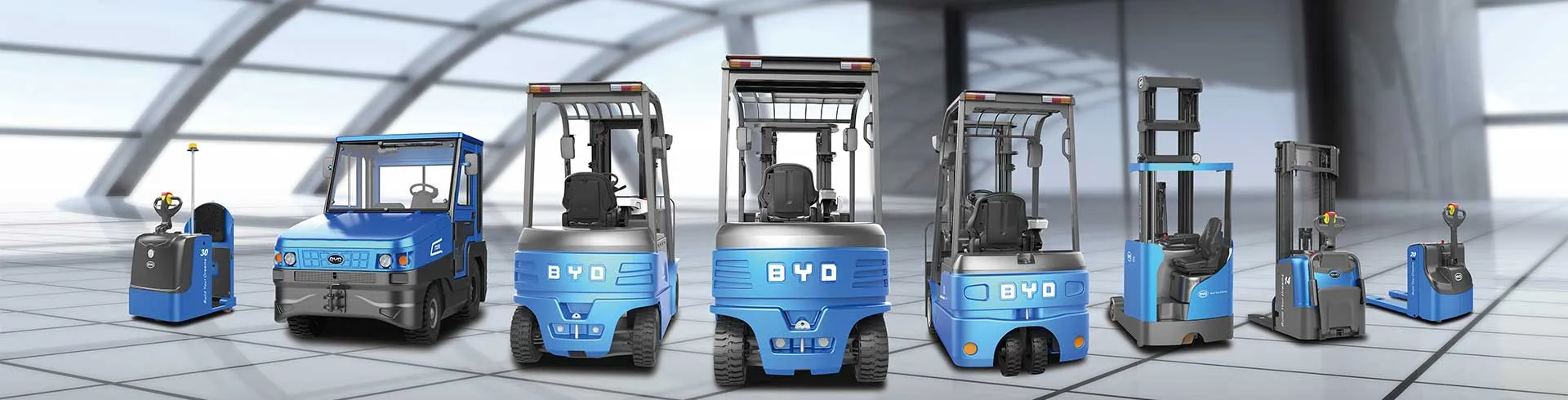
In the daily operations of the building materials market, cargo handling often faces heavy loads and complex outdoor environments. Choosing a suitable lithium-ion forklift has become the key to improving operation efficiency. Compared with traditional fuel forklifts, lithium-ion forklifts have the advantages of zero emissions, low noise, and easy maintenance, especially suitable for the environmental protection and high efficiency needs of the building materials market. The following are two core scenarios from heavy loads and outdoor working conditions to analyze the selection points of lithium-ion forklifts for you.
The types of goods in the building materials market are diverse. Steel, stone, concrete prefabricated parts, etc. are mostly heavy-duty items. The single handling weight is generally more than 1 ton, and some large building materials even exceed 5 tons. This type of goods places higher requirements on the load-bearing capacity and power output of forklifts. The selection of lithium-ion forklifts needs to focus on three core parameters: first, the battery system. Under heavy load conditions, a lithium battery pack with high capacity and high current discharge characteristics needs to be selected to ensure that the single operation battery life meets the needs; secondly, the power performance, motor power and torque need to match the weight of the goods to avoid low operation efficiency due to insufficient power; finally, the structural design, the frame is made of high-strength steel, and the gantry and fork need to have sufficient strength to ensure the stability of long-term heavy-duty operations.
Outdoor working conditions are another major feature of building materials market operations. The open-air environment may face complex conditions such as direct sunlight, rain, and muddy ground. In such scenarios, the protective performance and environmental adaptability of lithium-ion forklifts are particularly important. In terms of protection level, it is recommended to choose models with IP54 and above standards, which can be effectively dustproof and waterproof; the tire type needs to be selected according to the ground conditions. Solid tires are preferred for sand and gravel roads. Inflatable tires can be used with anti-skid patterns on muddy roads. The battery system needs to have high and low temperature resistance to ensure normal start-up and battery life in extreme weather. In addition, outdoor operation time is long, and the configuration of fast charging function can improve equipment utilization and reduce waiting time for charging.
According to the operational requirements of the building materials market, the selection of lithium-ion forklifts needs to follow the principle of "matching on demand". First, clarify the average weight and maximum weight of the goods, and determine the parameters of the power system; secondly, evaluate the open air degree and ground conditions of the working environment, and select the appropriate protective configuration and tire type; finally, consider the battery life and charging convenience comprehensively to avoid affecting the operation efficiency due to insufficient battery life. At the same time, choosing a brand with perfect after-sales services can ensure the long-term stable operation of the equipment. Through scientific selection, the lithium-ion forklifts in the building materials market can not only meet the actual needs of heavy-duty and outdoor operations, but also effectively reduce the comprehensive use cost and promote the efficiency of warehousing and logistics.