
 简体中文
简体中文 Deutsch
 日本語
日本語 한국어
한국어 Tiếng Việt
 Русский
 ไทย
ไทย Bahasa Indonesia
 Bahasa Melayu
 Filipino
 لالعربية
 Français
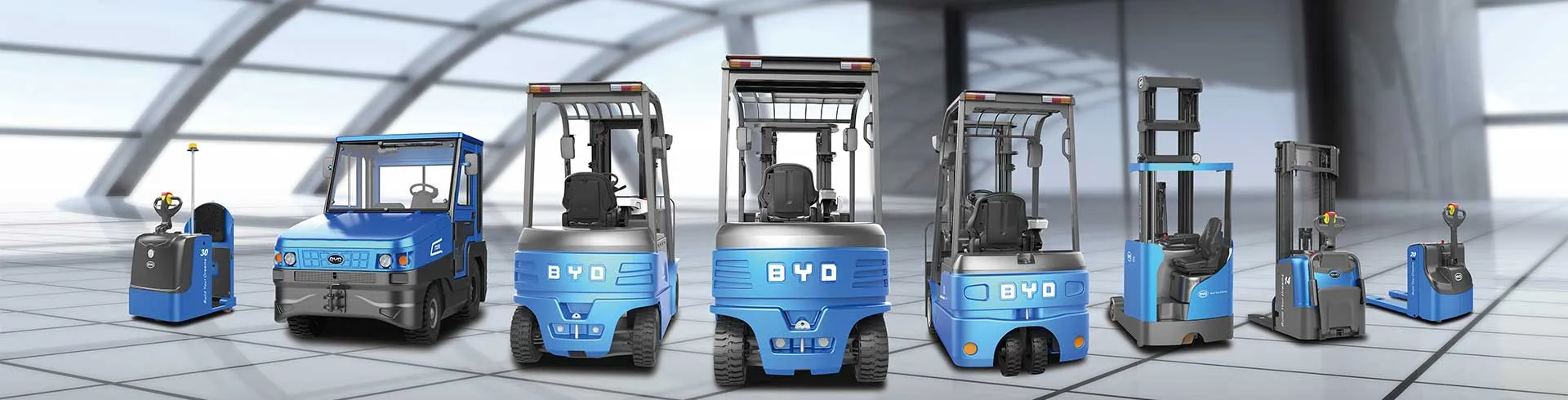
As an important pillar of the national economy, the chemical industry involves a large number of flammable, explosive, toxic and harmful chemicals in the production process, and the operating environment is complex and risky. The application of traditional internal combustion forklifts in chemical scenarios is strictly limited due to the hidden dangers such as mechanical sparks and exhaust emissions. Explosion-proof lithium electric forklifts have become key equipment for chemical enterprises to improve operation safety and achieve green production due to their explosion-proof performance, green environmental protection, low noise and other advantages. This article will introduce in detail the typical application scenarios and safety management specifications of explosion-proof lithium electric forklifts in the chemical industry, providing reference for the safe use of enterprises.
Application Scenario of Explosion-proof Lithium Battery Forklift in Chemical Industry
The chemical production environment is complex, involving flammable and explosive chemicals, corrosive media and high dust areas, and the safety requirements of operating equipment are extremely high. Explosion-proof lithium electric forklifts, with their characteristics of no sparks, no pollution and low noise, have gradually replaced traditional internal combustion forklifts in the chemical industry and become an important tool for safe operation. Its typical application scenarios mainly include the following categories:
Material transfer in flammable and explosive areas
Flammable and explosive materials such as methanol, toluene, and liquefied petroleum gas are usually stored in the storage tank area, hazardous chemical warehouse, and surrounding area of the reactor of a chemical enterprise. High temperature and sparks are generated during the operation of the engine of a traditional internal combustion forklift, which may ignite combustible gas or dust in the air and cause an explosion accident. The explosion-proof lithium forklift adopts all-electric drive and has no mechanical ignition source. The key components such as the motor and controller have been designed to be explosion-proof and meet the explosion-proof standards of the chemical industry. It can safely complete the loading, unloading, handling and stacking of materials to avoid the risk of ignition.
Fine work in high dust environments
Some chemical production links (such as powder coatings, fertilizer processing) generate a large amount of dust, and the dust concentration is high. In this kind of environment, the accumulation of static electricity and friction of metal parts of ordinary forklifts may cause dust explosions. Explosion-proof lithium-electric forklifts optimize the body structure to reduce static electricity generation, and are equipped with explosion-proof electrical components to ensure stable operation in dust environments. They are suitable for operation scenarios with high environmental cleanliness requirements such as pharmaceutical intermediates and fine chemical raw materials to avoid dust pollution and explosion hazards.
Job requirements for confined spaces
The reaction kettle, pipeline interlayer and other areas in the chemical plant are narrow, and it is difficult for traditional forklifts to enter due to their large size. The explosion-proof lithium battery forklift adopts a compact design, with a small turning radius and a flexible body, which can complete material transfer in narrow passages. In addition, the lithium battery is light in weight and stable in battery life. It can operate in a closed environment for a long time without exhaust emissions, avoiding the problem of exhaust gas accumulation in the confined space of internal combustion forklifts and ensuring the safety of workers' breathing.
Safety management specification for chemical explosion-proof lithium forklifts
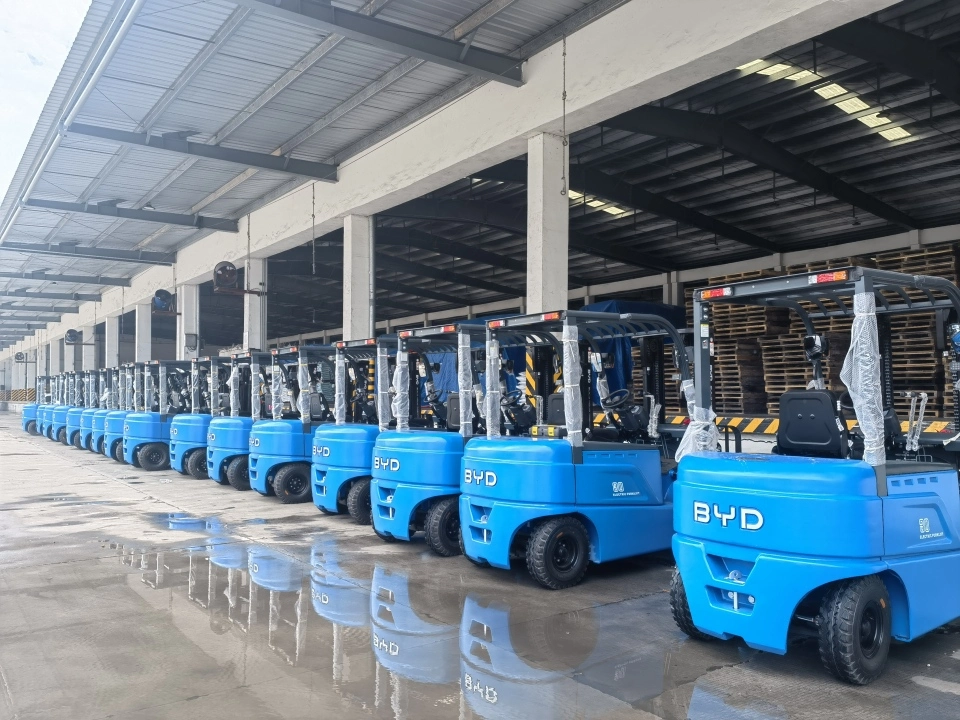
The chemical industry has strict requirements for the safety management of explosion-proof equipment. The use of explosion-proof lithium forklifts must follow the whole process specifications to ensure equipment performance and operation safety. Its management specifications mainly cover the following aspects:
Equipment selection and installation specifications
When selecting an explosion-proof lithium forklift, it is necessary to give priority to confirming whether the explosion-proof grade of the equipment meets the hazard categories (such as Class IIB, Class IIC) and temperature groups (such as T4, T6) of the operating environment. For example, in areas involving high-risk gases such as hydrogen, an Ex d II CT6 explosion-proof forklift should be selected. When installing, ensure that the equipment is well grounded, away from fire and heat sources, and regularly check the tightness of the explosion-proof shell. It is forbidden to modify the equipment structure without permission to avoid damaging the explosion-proof performance.
Daily operation and maintenance requirements
Operators need to be professionally trained to be familiar with the equipment operation process and emergency response methods. Check whether the battery power, braking system and warning signs are in good condition before operation. Overload, speeding or use in non-explosion-proof areas are prohibited. Daily maintenance should formulate a periodic table, including battery charge and discharge status detection, circuit insulation testing, hydraulic system leakage inspection, etc. Maintenance personnel need to have explosion-proof equipment maintenance qualifications. When replacing parts, explosion-proof certified original parts must be used to ensure that the equipment is always in safe operation.
Personnel training and qualification management
Enterprises need to establish a sound personnel training system, regularly carry out training on explosion-proof knowledge, equipment operation, emergency drills, etc., and can only be hired after passing the assessment. Special operations personnel need to hold valid qualification certificates, and it is strictly forbidden to operate without a license or operate in violation of regulations. At the same time, the operation site should be equipped with explosion-proof tools and protective equipment, such as anti-static work clothes, explosion-proof flashlights, etc., to ensure the double safety of personnel and equipment.
Emergency response and risk prevention and control
Enterprises need to develop an emergency plan for explosion-proof lithium forklifts, including the disposal process for battery short circuits, leaks, fires and other scenarios. Regularly organize emergency drills to ensure that operators can respond quickly. In case of battery fire, the power supply should be cut off immediately, dry powder fire extinguishers should be used for fighting, and direct fire extinguishing with water is prohibited. At the same time, establish an equipment inspection system, record equipment operation data every day, regularly analyze potential faults, and rectify in a timely manner to reduce safety risks from the source.
The application and management of explosion-proof lithium electric forklifts in chemical industry not only affects the production efficiency of enterprises, but also directly affects the safety and environmental compliance of operators. By rationally planning application scenarios and strictly implementing safety management norms, enterprises can give full play to the advantages of explosion-proof lithium electric forklifts and achieve safe, efficient and green operation goals in chemical production.


