
 简体中文
简体中文 Deutsch
 日本語
日本語 한국어
한국어 Tiếng Việt
 Русский
 ไทย
ไทย Bahasa Indonesia
 Bahasa Melayu
 Filipino
 لالعربية
 Français
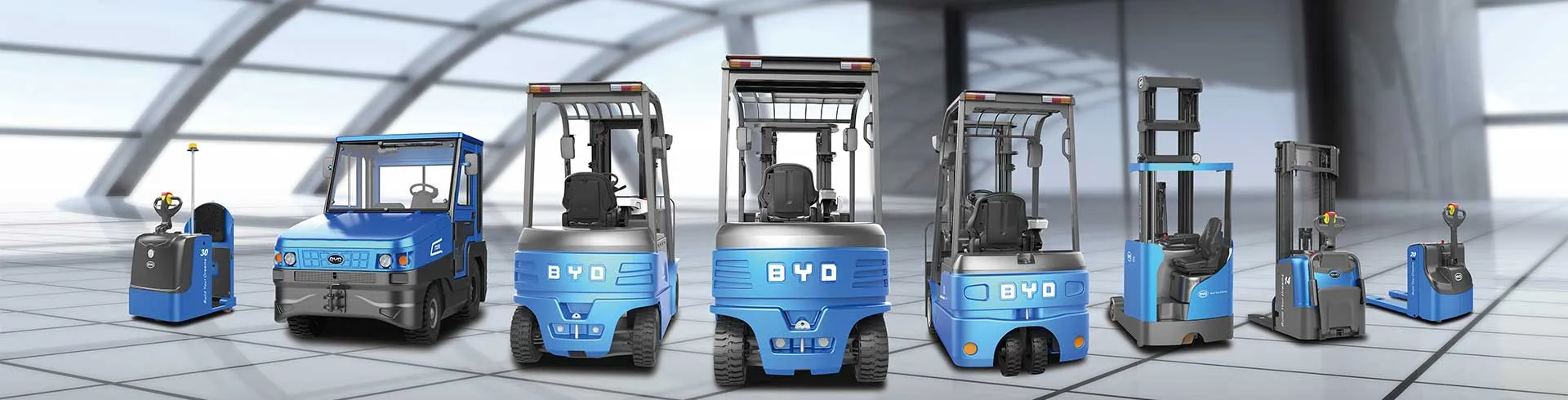
The special requirements of the port terminal operating environment for forklifts directly determine the core criteria for equipment selection. The cargo throughput in the port is huge, and the loading and unloading operations such as containers and bulk cargoes have high requirements on the load capacity of forklifts. Heavy-duty forklifts over 3 tons are the mainstream choice, and some scenarios even require equipment of 5 tons to 10 tons. At the same time, port operations are mostly continuous mode, and the equipment needs to operate stably for a long time, and it faces complex environmental influences such as dust, salt spray, and humidity. Strict requirements are placed on the durability and endurance of the equipment. In addition, the port's pursuit of operational efficiency continues to improve, and the introduction of intelligent and automated equipment also requires forklifts to have higher integration capabilities to meet the collaborative needs of unmanned logistics systems.
The breakthrough in the technical level of heavy-duty lithium-ion forklifts has laid the foundation for its application in the port scene. In recent years, the iteration of power battery technology has promoted the popularization of high-energy density lithium iron phosphate batteries. The battery capacity has been significantly increased, and the single-charge battery life capacity has been enhanced. Some models can meet the needs of continuous operation in the port for more than 8 hours. At the same time, the popularization of fast charging technology and power exchange mode has further shortened the equipment downtime and charging time, and solved the problem of "battery life anxiety" of traditional lithium-ion forklifts. In terms of power system, the application of permanent magnet synchronous motor has improved the power density and torque output of the motor. With the intelligent control system, large-tonnage lithium-ion forklifts have been able to stably output power performance comparable to that of internal combustion forklifts of the same tonnage In addition, the maintenance cost of lithium-ion forklifts is significantly lower than that of internal combustion equipment, eliminating the need for oil replacement, fuel filter maintenance, etc. Long-term use can reduce operating costs.
Driven by both policy and market demand, the application of heavy-duty lithium-ion forklifts at port terminals is showing an accelerating trend. From a policy perspective, the global "double carbon" goal promotes the transformation of port logistics to green and low-carbon. Internal combustion forklifts face strict restrictions due to emission pollution, while the zero-emission characteristics of lithium-ion forklifts meet the requirements of port emission reduction. Policies have been introduced in many places to encourage the electrification of equipment. From a market perspective, many domestic ports have carried out pilot applications of lithium-ion forklifts, achieving batch deployment in container yards, bulk cargo loading and unloading areas, etc. Operational data show that its comprehensive energy consumption is reduced by more than 30% compared with internal combustion equipment, and the noise level is significantly reduced. The operating environment has been improved. As technology matures, the acquisition cost of lithium-ion forklifts has gradually declined, and large-scale applications have further reduced unit costs, attracting more port operators to invest in green equipment.
The comparative analysis of large-tonnage lithium-ion forklifts and internal combustion forklifts is the key to judging the possibility of substitution. From the perspective of performance parameters, large-tonnage internal combustion forklifts rely on fuel power, and their endurance is theoretically unrestricted. They are suitable for long-distance and high-load operations, but the power system is complex and the maintenance cost is high; while large-tonnage lithium-ion forklifts have been optimized by battery technology, and their endurance is close to internal combustion equipment, and they perform better in short-distance and high-frequency operations. From the perspective of cost of use, the energy cost (electricity) of lithium-ion forklifts is much lower than the fuel cost, and the maintenance cycle is long, the consumables are small, and the long- In terms of environmental adaptability, the problem of battery life attenuation of lithium-ion forklifts in low temperature environments still requires technological breakthroughs, and some extremely cold areas of ports may still rely on internal combustion equipment. However, in normal temperature and clean container operation areas, the low noise and zero emission advantages of lithium-ion forklifts have become the mainstream choice.
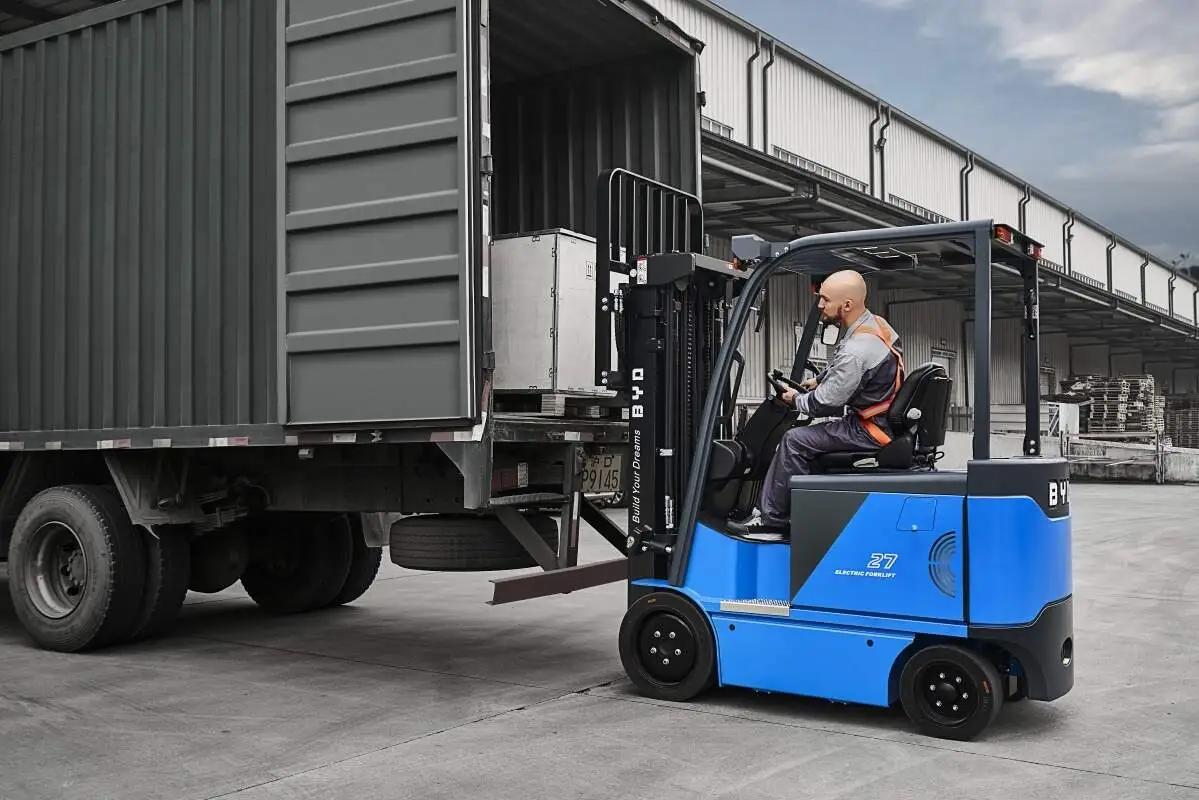
Although large-tonnage lithium-ion forklifts are competitive in terms of performance and cost, it still faces challenges to fully replace internal combustion forklifts. First, the bottleneck of battery technology has not been completely broken, and the commercialization process of new technologies such as solid-state batteries may affect its application scope; second, the supporting construction of port charging facilities and power exchange networks requires long-term investment, and infrastructure differences between different ports may lead to uneven application of equipment; finally, in special operating scenarios (such as long-distance off-road handling, continuous operation in extremely cold areas), the reliability of internal combustion forklifts is still irreplaceable. In the future, port equipment may present a complementary pattern of "lithium-based batteries, supplemented by internal combustion": in scenarios with short distances, high frequencies, and high environmental protection requirements, large-tonnage lithium-ion forklifts will gradually replace internal combustion equipment; while in scenarios such as long distances, extreme environments, and emergency operations, internal combustion forklifts will still play a role.
Overall, the application of heavy-duty lithium-battery forklifts in port terminals is in a period of rapid development. The superposition of technological progress, policy support and market demand has made its competitiveness in the large-tonnage field continue to increase. Although internal combustion forklifts still have irreplaceable scenarios, under the general trend of green logistics transformation, the market share of lithium-battery forklifts will gradually increase, and eventually form a port operation equipment pattern that coexists with internal combustion equipment. With the further improvement of battery technology and intelligent level, large-tonnage lithium-battery forklifts are expected to become the core equipment of port terminal logistics, promoting the development of the industry in a more efficient and green direction.


