简体中文
简体中文 Deutsch
 日本語
日本語 한국어
한국어 Tiếng Việt
 Русский
 ไทย
ไทย Bahasa Indonesia
 Bahasa Melayu
 Filipino
 لالعربية
 Français

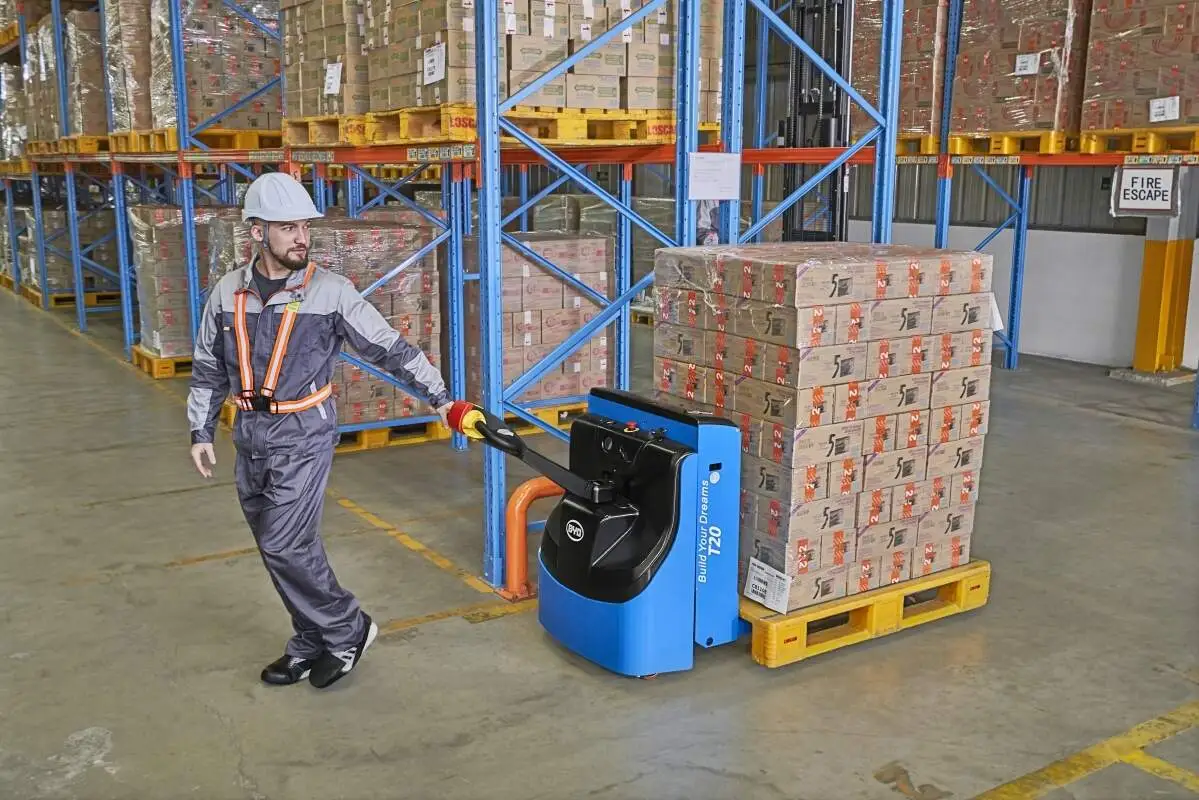
Many companies that use traditional fuel forklifts and lead-acid lithium-ion forklifts have recently come into contact with the trade-in policy of lithium-ion forklifts. Many managers are torn about whether the replacement is cost-effective. They may wish to comprehensively measure the actual benefits from different dimensions.
Cost reduction during the direct replacement phase
Old car residual value deduction
Enterprises dealing with old forklifts by themselves need to go through processes such as scrap reporting, clearance, and residual value disposal, which not only costs additional labor costs, but also generally results in low residual value benefits. By choosing the trade-in method, the service provider can directly conduct a compliance assessment of the old car, and the assessed residual value can be directly deducted from the purchase price of the new lithium-ion forklift, eliminating the various costs of intermediate disposal. The overall deduction amount is often about 10% to 20% higher than that of self-disposal.
replacement subsidy
At present, most compliance forklift service providers on the market will provide exclusive replacement subsidies for trade-in users, and the subsidy amount is directly reduced in the purchase price. Compared with the purchase of new lithium-ion forklifts alone, the actual expenditure will be lower.
Revenue improvement from long-term operations
Decline in operation and maintenance costs
Traditional fuel forklifts require regular engine maintenance and oil filter replacement, and daily fuel expenses are also higher; old lead-acid forklifts require regular electrolyte replenishment, battery balance maintenance, and full replacement of new batteries when the battery is worn to a certain extent. Lithium-ion forklifts have no engine maintenance requirements, and only need to do simple appearance and line inspections every day. The energy cost is only about one-third of that of fuel forklifts, and there is no large replacement cost of lead-acid batteries. The annual operation and maintenance cost can save thousands to tens of thousands of yuan.
Work efficiency improvement
Lithium forklifts can be used as needed, without the memory effect of lead-acid batteries. Fast charging for half an hour can support four to five hours of operation, and there is no need to make a special trip to the gas station to refuel like a fuel forklift. In multi-shift operation scenarios, there is no need to reserve a long time for battery replacement and energy replenishment. The overall handling operation efficiency can be improved by about 15%. For enterprises with high requirements for turnover efficiency, such as logistics warehousing and manufacturing, the indirect benefits are considerable.
Reduction in hidden costs
Old fuel forklifts generally have the problem of excessive exhaust emissions. Old lead-acid forklifts are also prone to safety hazards such as liquid leakage and aging lines. It is easy to incur rectification costs or even penalties in environmental protection and safety production inspections. The new lithium-ion forklift is a zero-emission equipment. The overall circuit and battery have a higher safety protection level, which meets the current environmental protection and safety production requirements and can help enterprises save a lot of costs related to compliance rectification.
For enterprises with an average annual forklift usage time of more than 1,000 hours, the various costs saved by trade-in can usually cover the price difference between the old and new vehicles in 1 to 2 years, which is more cost-effective as a whole. If the average annual usage time is less than 300 hours, you can also consider it in light of your own budget.