简体中文
简体中文 Deutsch
 日本語
日本語 한국어
한국어 Tiếng Việt
 Русский
 ไทย
ไทย Bahasa Indonesia
 Bahasa Melayu
 Filipino
 لالعربية
 Français

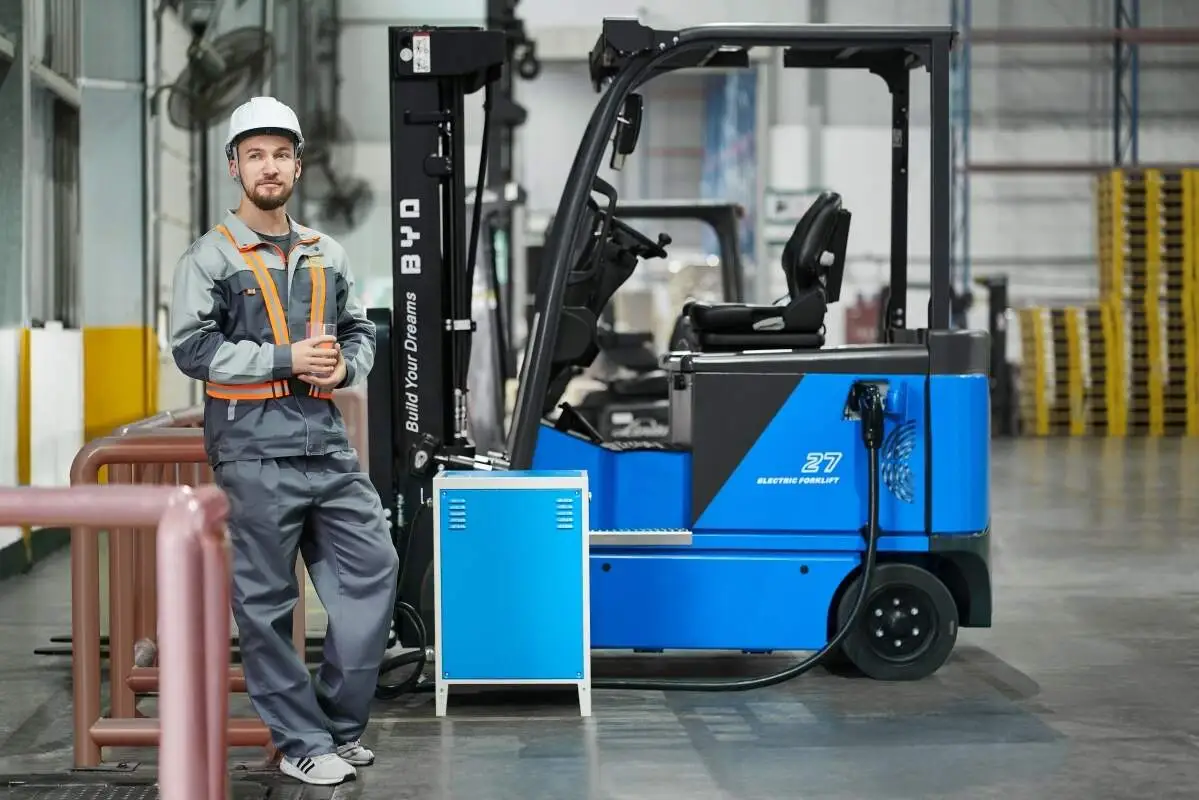
With the increasing demand for warehouse operation upgrades, many small and medium-sized enterprises plan to replace lithium-ion forklifts, but many purchasers lack a clear understanding of budget planning and cost control, which is prone to waste of investment or insufficient adaptability.
First of all, it is necessary to do a good job of pre-demand mapping and rationally delineate the procurement budget range. Enterprises should first sort out their daily operation scenarios, including parameters such as warehouse channel width, conventional cargo load, daily operation time, and whether climbing operations are required. Choose models with corresponding tonnage and configuration as needed, and do not blindly pursue redundant configurations to avoid budget waste caused by idle functions. In addition to the purchase price of the vehicle itself, hidden expenses such as supporting charging facilities, operation training, and first maintenance should be included in the overall budget to prevent subsequent unplanned additional expenses.
Secondly, it is necessary to calculate the full-cycle cost, not just the price of bare cars. Lithium forklifts themselves do not have the maintenance requirements of lead-acid forklifts such as liquid addition and balanced charging, and the daily maintenance cost is generally lower than that of traditional forklifts. However, when purchasing, it is necessary to clarify the service scope and charging standards of after-sales maintenance in advance, and try to choose a procurement plan that includes basic maintenance services to reduce subsequent maintenance expenses.
During the use stage, cost control should also be done well, and standardized operating codes should be established. Operators should be required to avoid improper operations such as overcharging and overdischarging, overloading operations, etc. Regular inspection of battery interfaces, body circuits and other easy-to-wear parts, and timely maintenance of minor problems can greatly reduce the cost of failure maintenance and prolong the service life of the vehicle. If the business of the enterprise has obvious low and peak seasons, a flexible plan combining installment procurement and short-term rental can also be considered to avoid one-time investment of too much capital and reduce the cost loss of idle vehicles in off-season.
Before purchasing, we should also consider the versatility of the model, try to choose a conventional model with a high market share, and the residual value will be higher in subsequent replacement or resale, which can further dilute the overall investment and make the procurement investment play a reasonable value.