
 简体中文
简体中文 Deutsch
 日本語
日本語 한국어
한국어 Tiếng Việt
 Русский
 ไทย
ไทย Bahasa Indonesia
 Bahasa Melayu
 Filipino
 لالعربية
 Français
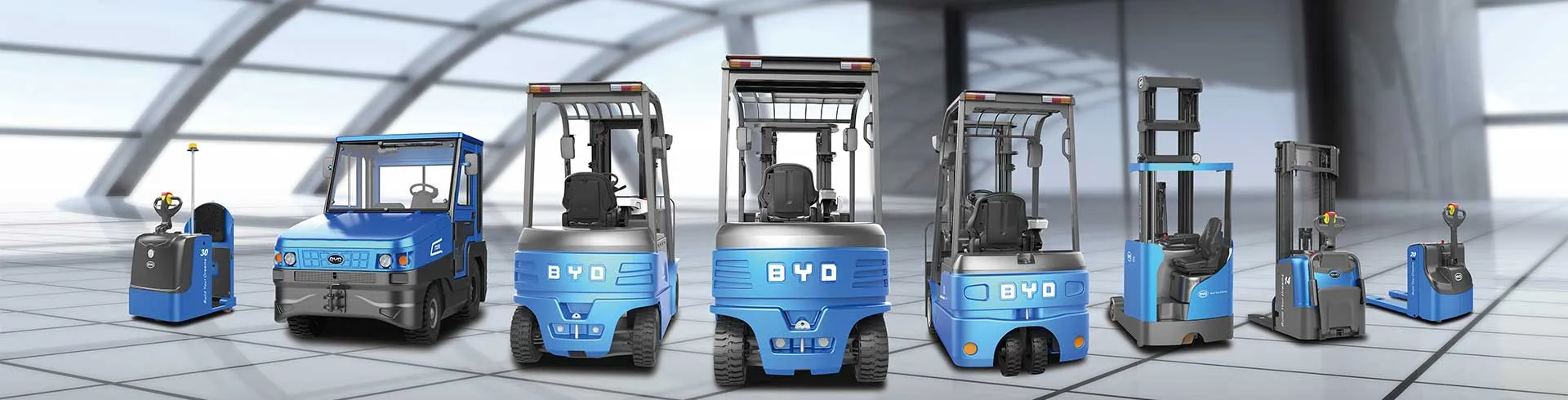
In warehousing and logistics operations, the selection of forklifts directly affects operation efficiency and space utilization. Three-point and four-point forklifts are two common types of vehicles, and how to adapt to their own needs is the key.
Differences between three-point and four-point forklifts
Steering radius and channel adaptability
The three-point forklift adopts a three-point support structure with a smaller steering radius, requiring only 1.8 to 2.5 meters of channel to complete the steering operation, suitable for narrow channel scenarios with compact space; the four-point forklift is supported by four points, requiring more space for steering, usually requiring a channel width of more than 2.5 meters, and its ground adaptability is stronger, suitable for slightly uneven sites.
Load capacity and stability performance
Conventional 1.6-ton three-pivot forklifts have a load range of 1.2 to 2 tons, with flexible steering but stability at heavy loads. Four-pivot forklifts have a wider load range and better stability for models over 2 tons, making them suitable for long-term heavy-duty operations.
Scene matching points for forklift purchase
Narrow channel high frequency operation selection
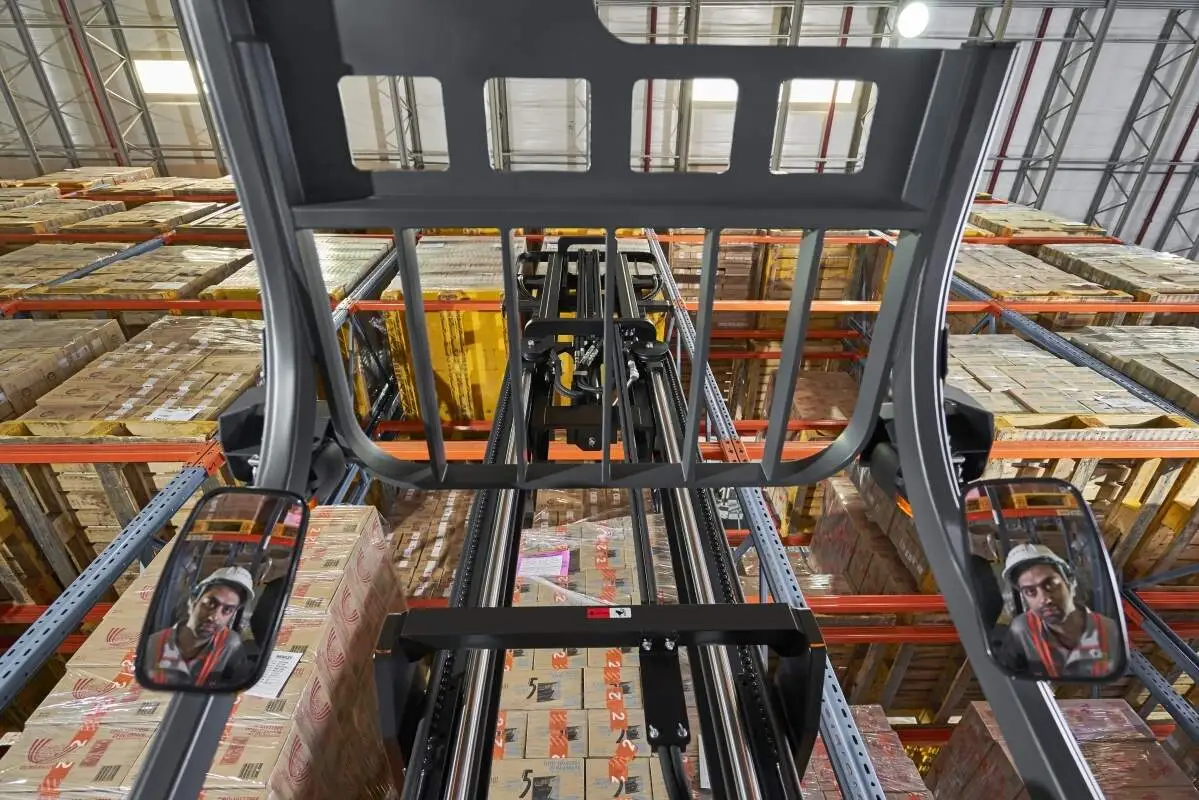
If the warehouse passage is narrow, the operation frequency is high, and the main load handling is about 1.6 tons, the corresponding level of three-point forklift can be preferred, and its flexible steering can improve operation efficiency and save space resources.
Wide channel heavy duty operation selection
If the site is spacious, requires a heavy load of more than 2 tons, or the ground is slightly uneven, a four-point forklift should be selected. Its four-point support structure can ensure stability during operation and reduce safety risks.
When selecting the type, it is also necessary to consider the details such as the operation ground condition and operation time, and choose the appropriate forklift type after comprehensive judgment, in order to better play the value of the equipment.


