
 简体中文
简体中文 Deutsch
 日本語
日本語 한국어
한국어 Tiếng Việt
 Русский
 ไทย
ไทย Bahasa Indonesia
 Bahasa Melayu
 Filipino
 لالعربية
 Français
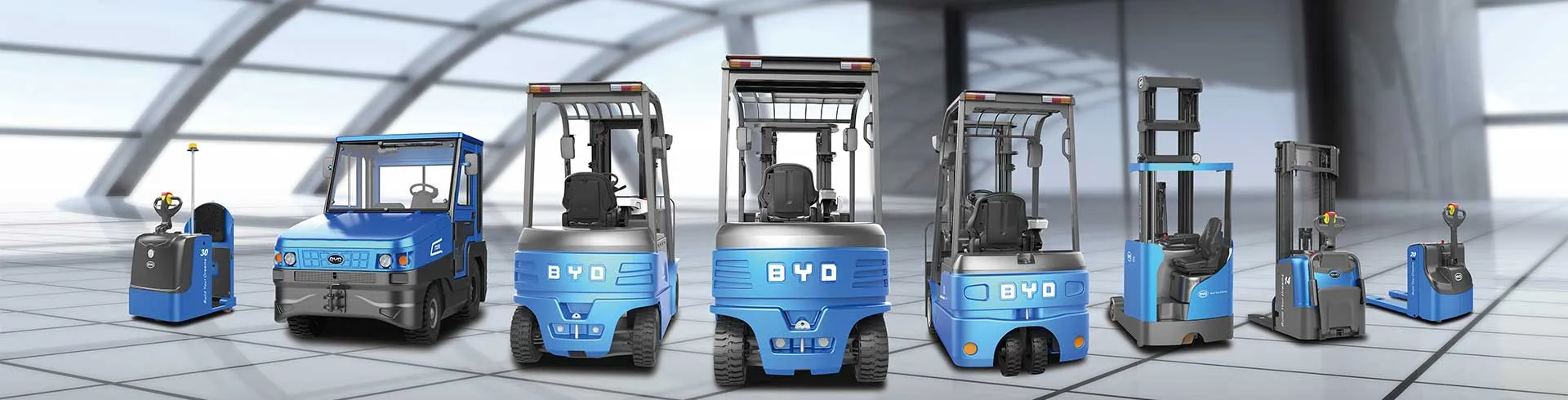
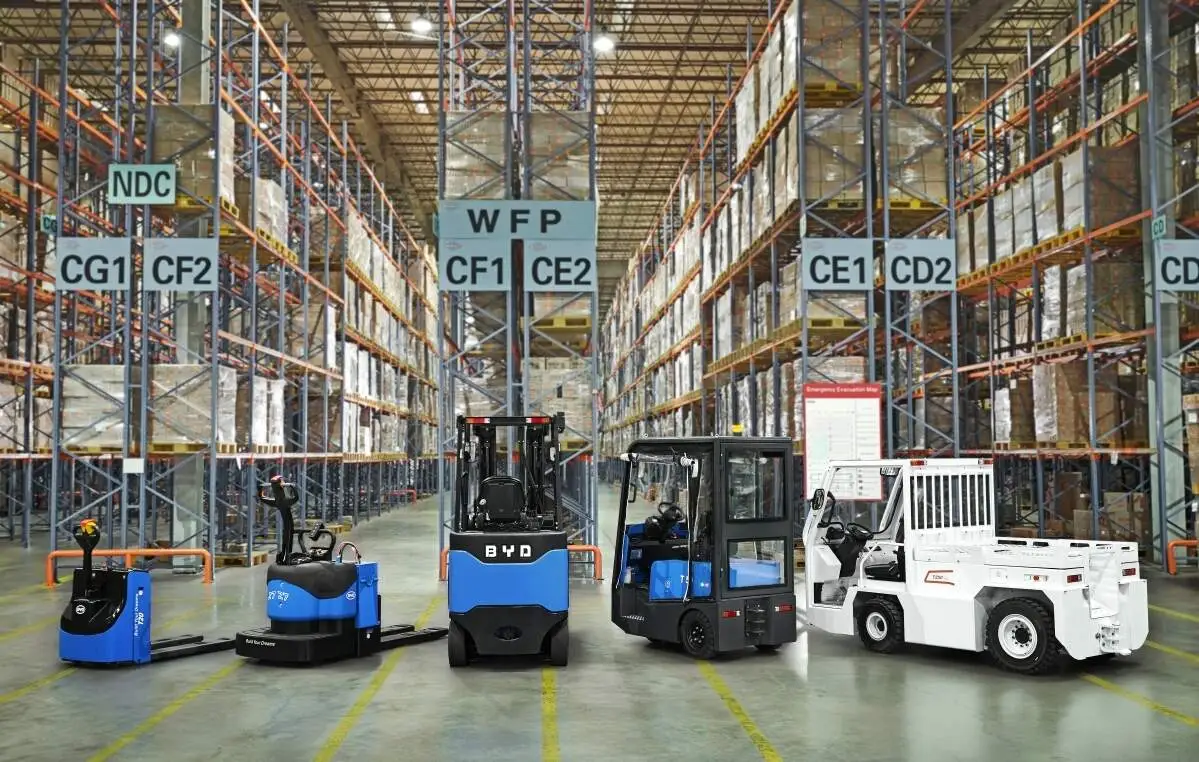
6-Ton electric forklifts are commonly used operating equipment in warehousing, logistics, and light manufacturing due to their wide load adaptability and low energy consumption. This cross-review focuses on the mainstream 1.6-ton electric forklifts of the same level, and expands from the dimensions of core performance, operation experience, and scene adaptation to provide users with objective reference for purchasing. Comparison of core performance parameters: The core performance of electric forklifts is reflected in terms of load, battery life, and power response. The models in this comparison meet the 1.6-ton rated load requirements. The battery capacity covers the mainstream range. The acceleration and climbing performance of the power system meet the routine operation. At the same time, the braking stability is strengthened to avoid safety hazards under extreme working conditions. Convenience of operation and maintenance: At the operation level, the models are designed with ergonomic operating space, handle layout, and line of sight range optimization to reduce long-term operating fatigue; at the maintenance level, mainstream models adopt modular design, key components are easy to repair, and battery replacement convenience is also included in the comparison, reducing downtime and improving overall operating efficiency. Scene adaptation and usage costs: Different operating scenarios have different requirements for forklifts. This horizontal evaluation focuses on the performance of models in narrow channel operations, ramp handling and other scenarios. Differences in parameters such as steering radius and minimum ground clearance directly affect scene adaptation. In terms of usage costs, energy consumption costs and daily maintenance costs are key comparison items. Models with better energy consumption control can help users reduce long-term operating expenses and improve cost performance.


