
 简体中文
简体中文 Deutsch
 日本語
日本語 한국어
한국어 Tiếng Việt
 Русский
 ไทย
ไทย Bahasa Indonesia
 Bahasa Melayu
 Filipino
 لالعربية
 Français
.webp "BYD CPD16S and mainstream 1.5-ton electric forklift performance difference reference(Image1)")
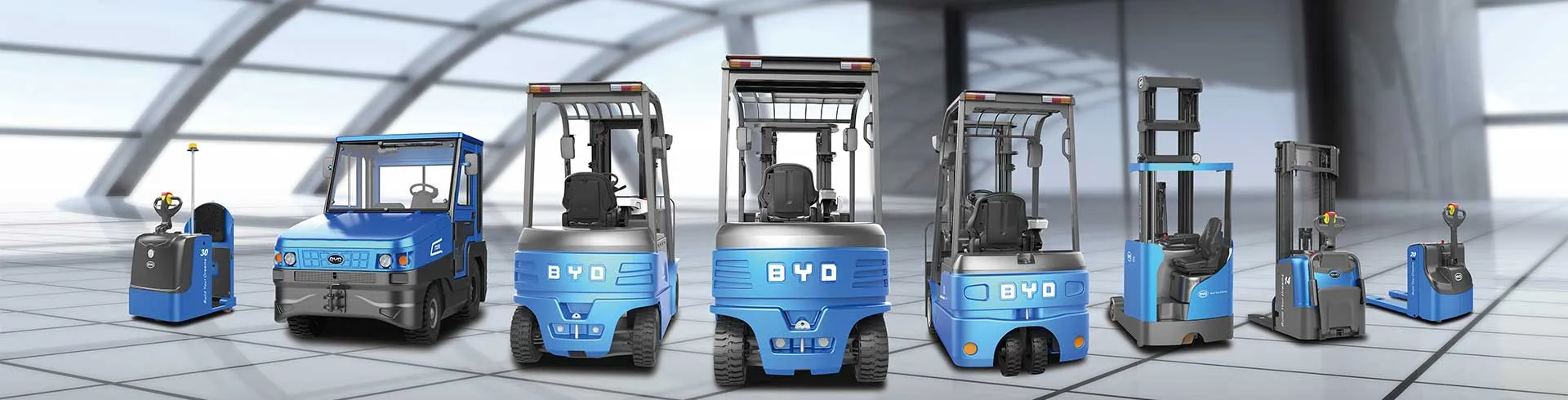
With the increasing demand for warehousing and logistics handling, the 1.5-ton electric forklift has become a popular selection direction in the market due to its adaptation to the loading and unloading of small and medium-sized tonnage goods. When comparing different models, users need to pay attention to the performance differences to match the operation scenarios. The core performance of the 1.5-ton electric forklift refers to the dimension of rated load and stability. The rated load is the basic performance indicator of the electric forklift. The popular model is optimized for the conventional 1.5-ton standard. When the load is close to the rated upper limit, the body maintains a stable center of gravity through counterweight design, and has a strong anti-roll ability to deal with the deviation of the center of gravity of the goods. The mainstream model strictly follows the 1.5-ton rated standard, and the load stability meets the needs of conventional warehousing operations. It is suitable for standard pallet cargo handling. The battery life and operation efficiency directly affect the continuous operation time of the forklift. The battery and energy management system of the popular model can prolong the operation time after full power, cover the continuous operation needs of most normal shifts, and reduce the waiting time for midway charging. The mainstream model has a slightly shorter battery life, and the charging period needs to be reasonably arranged according to the operation rhythm to adapt to the operation scene with flexible working hours. The selection under different scenarios refers to the narrow channel operation adaptability. The popular model has a smaller turning radius, which is more suitable for the scene of narrow storage channels, improves space utilization, and adapts to the working environment with high storage density. The mainstream model has a larger turning radius, which is more suitable for open fields with sufficient channel width, and does not need to adjust the operation line. Compared with popular models, the core components are made of durable materials, and the replacement cycle of wearing parts is longer, which reduces the time and cost of long-term maintenance. Mainstream models have lower maintenance costs, but the replacement frequency of parts is slightly higher, making them suitable for users with limited budgets and sufficient maintenance manpower.


