
 简体中文
简体中文 Deutsch
 日本語
日本語 한국어
한국어 Tiếng Việt
 Русский
 ไทย
ไทย Bahasa Indonesia
 Bahasa Melayu
 Filipino
 لالعربية
 Français

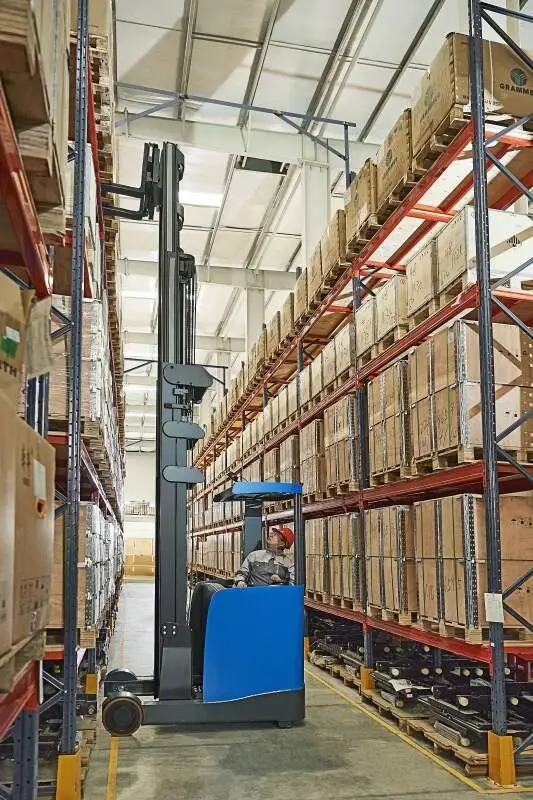
The differences in the core parameters of the two electric forklifts
Tonnage load corresponding scenario
The ECB16D electric forklift has a rated load of 1.6 tons, making it more suitable for light-load operation scenarios, such as pallet cargo transfer in small warehouses, material turnover in retail stores, and material handling between workstations in light workshops. This type of scenario requires high equipment flexibility, making it efficient and easy to operate.
Selection should be based on site and operation requirements
The ECB18D electric forklift has a rated load of 1.8 tons and is mainly used in medium and high load scenarios, such as overweight pallet storage in conventional warehouses, building materials barges at construction sites, and heavy material transportation in medium-sized workshops. Its load capacity is stronger, capable of handling larger workloads, and improving operating efficiency in high-load scenarios.
When selecting the two forklifts, in addition to the tonnage, factors such as the channel width of the work site, the flatness of the ground, and the daily working time should also be considered: if the working space is small and the load is mostly less than 1.6 tons, the former is more flexible; if there are often close to 1.8 tons of goods and the space is sufficient, the latter is more suitable, and the equipment endurance requirements should be adjusted in combination with the operation frequency to ensure that the equipment is fully matched with the actual use scenario.


