
 简体中文
简体中文 Deutsch
 日本語
日本語 한국어
한국어 Tiếng Việt
 Русский
 ไทย
ไทย Bahasa Indonesia
 Bahasa Melayu
 Filipino
 لالعربية
 Français
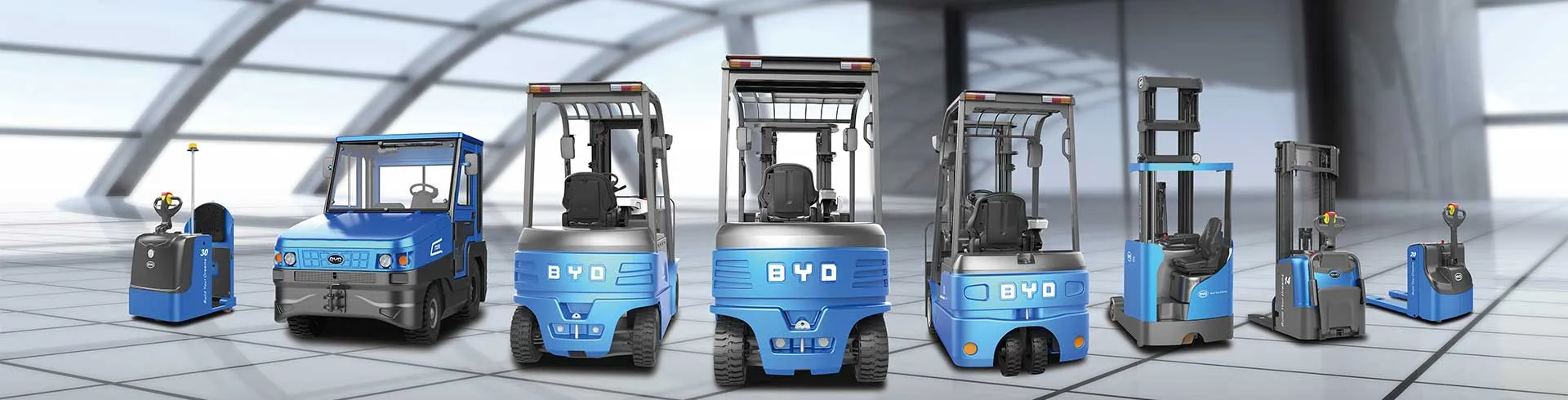
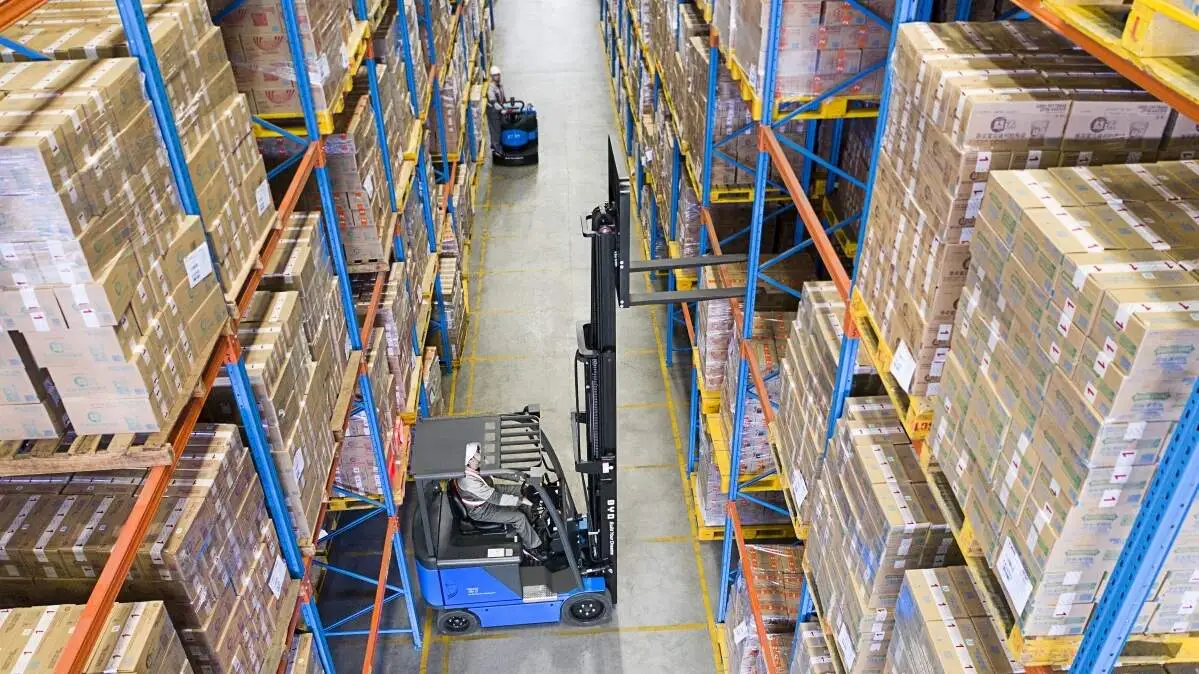
Different types of electric forklifts have obvious differences in applicable scenarios due to structural differences. When selecting models, comprehensive judgments such as operating space and load-bearing requirements are required. The core advantages of three-point electric forklifts are flexible steering, small turning radius, and more suitable for narrow operating spaces, such as narrow lane picking operations in multi-layer warehouses and channel handling in small cold storage. The channel width of such scenarios is usually only slightly larger than the forklift operating width, and the three-point structure can easily achieve steering. At the same time, its own weight is relatively light, making it suitable for floor operations with limited floor load, reducing additional pressure on the floor. The four-pivot electric forklift relies on a four-wheel support structure, which has strong stability and high bearing capacity. It is more suitable for heavy-duty or open-space scenarios, such as the loading and unloading area of large industrial plants and the transshipment of large-scale goods in open-air yards. Such scenarios need to deal with heavier goods, and the ground flatness or bearing conditions are better. The four-pivot structure can ensure the safety of heavy-duty operations and avoid the loss of goods caused by driving shaking. In actual operations, if you encounter a scene with narrow passages and low bearing requirements, three pivot points are preferred; if the working space is open and large heavy objects need to be carried, the four pivot points are more suitable. Reasonable selection can effectively improve operation efficiency and reduce potential safety hazards.


