
 简体中文
简体中文 Deutsch
 日本語
日本語 한국어
한국어 Tiếng Việt
 Русский
 ไทย
ไทย Bahasa Indonesia
 Bahasa Melayu
 Filipino
 لالعربية
 Français
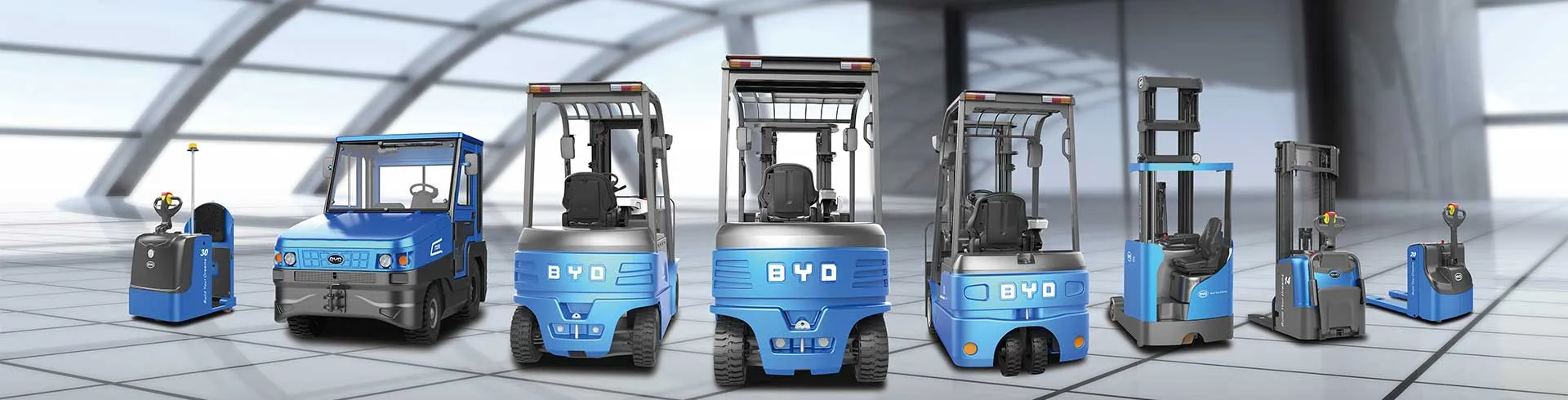
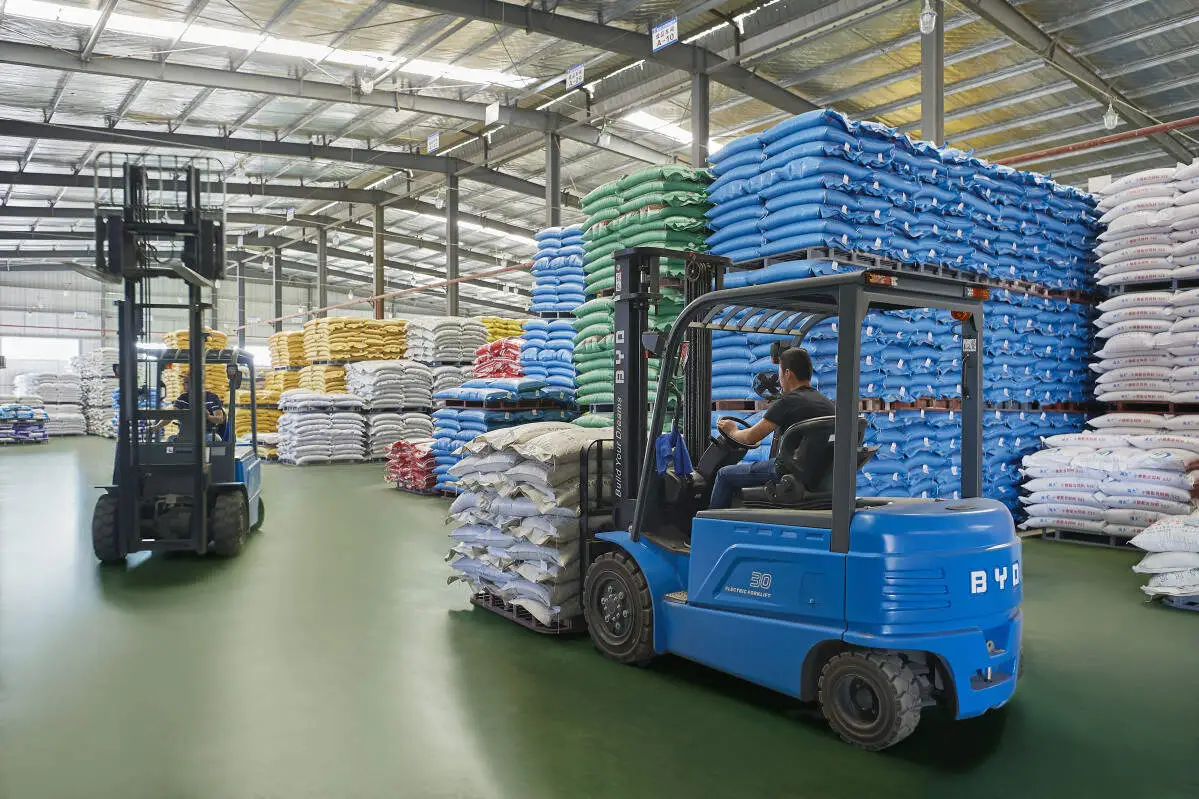
In the field of logistics, warehousing and industrial handling, the selection of electric forklifts directly affects operation efficiency and operating costs. The difference between models of the same tonnage is what needs to be paid attention to when selecting models. Differences in power system adaptation There are obvious differences in the adjustment of power modules for electric forklifts of the same tonnage. Some models focus on long battery life output and adapt to daily average high-frequency continuous operation scenarios; some strengthen torque parameters to meet the needs of heavy-duty short-time handling, and need to match the selection according to their own operating hours. The operation scene is suitable for forklifts of the same tonnage operating in narrow indoor passages with different operating scenarios. The steering radius design is more compact, the lifting speed is stable and controllable, and it is suitable for flexible operation in narrow spaces. The models with light outdoor handling have better chassis passability and stronger anti-bumping ability, which can adapt to simple road conditions in the factory area. Maintenance cost differences Some forklifts of the same tonnage have high versatility, low replacement costs, and long daily maintenance cycles. Some models have high exclusive adaptability and high prices. Maintenance requires professional operation. There are differences in long-term operating costs. When selecting a model, it is necessary to objectively compare the differences of the same tonnage model with the core factors such as operation scenarios, daily load, budget, etc., in order to select the most suitable equipment and reduce the hidden cost and failure rate in the operation process.


