
 简体中文
简体中文 Deutsch
 日本語
日本語 한국어
한국어 Tiếng Việt
 Русский
 ไทย
ไทย Bahasa Indonesia
 Bahasa Melayu
 Filipino
 لالعربية
 Français
Core reference points for the purchase of enterprise handling equipment
pre-requirement assessment
Before purchasing handling equipment, enterprises should first sort out the core parameters such as the maximum load of their daily handling, the width of the working channel, the average daily working time, and the ground flatness of the use scene. Combined with the operation budget and long-term use cost calculation, they should not blindly pursue redundant performance beyond actual requirements, nor choose equipment whose parameters cannot cover the operation requirements at all. Balance the relationship between procurement cost and use efficiency to avoid subsequent problems of idle equipment or insufficient performance.
Power Type Screening Considerations
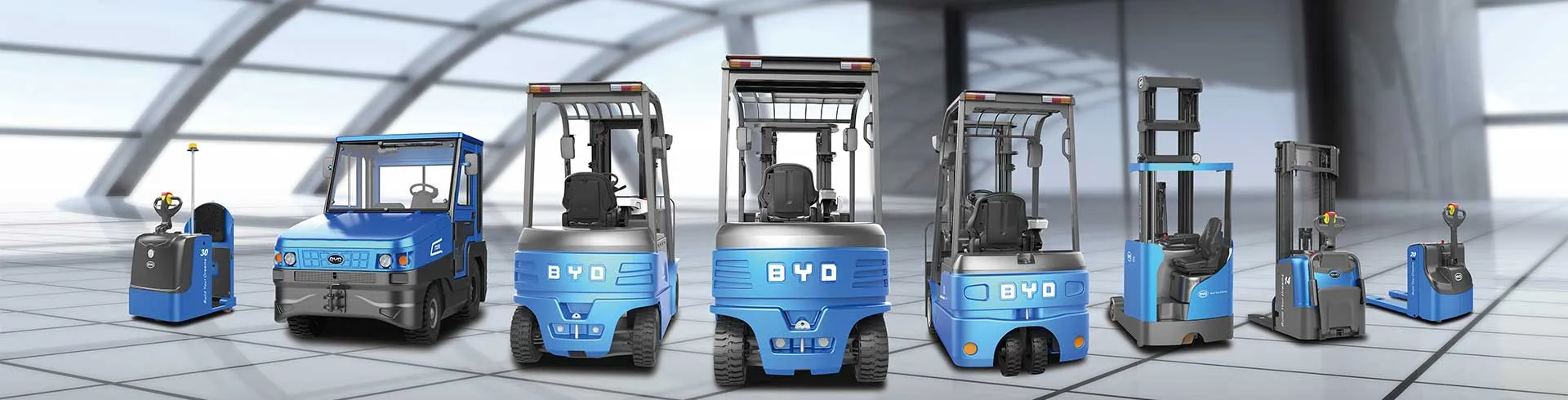
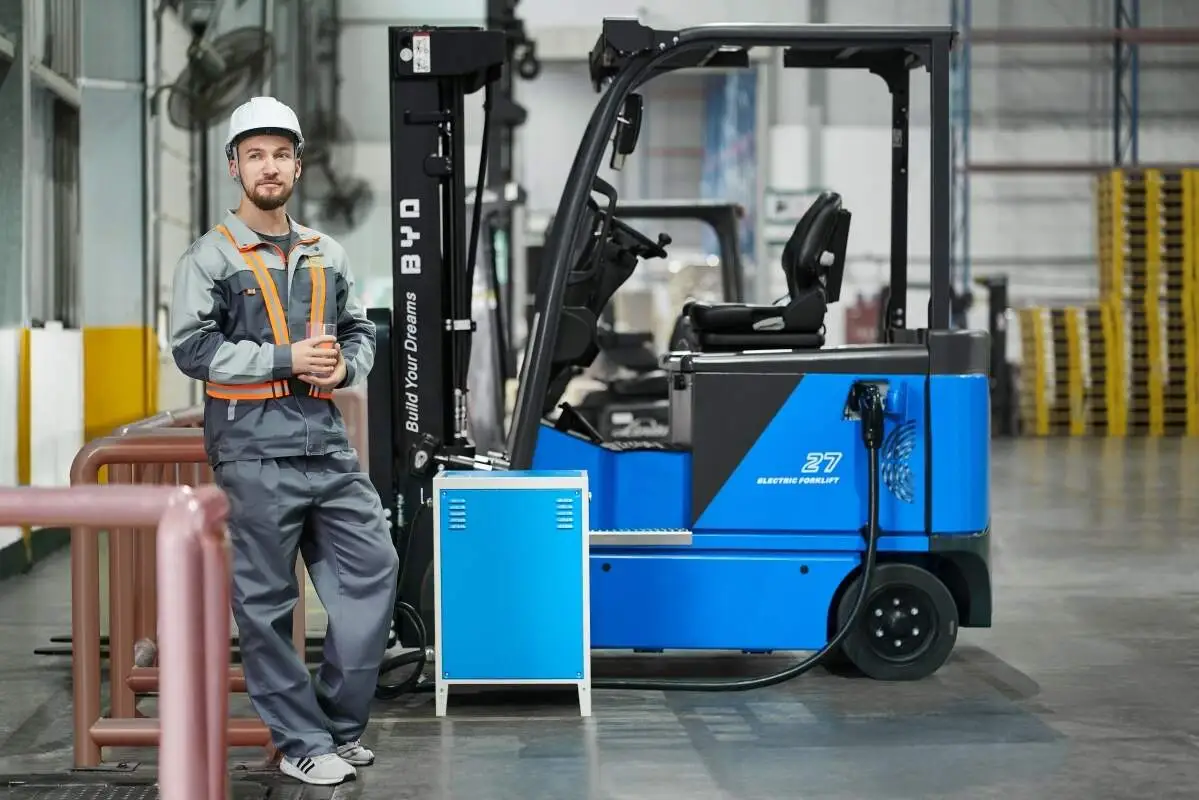
The current types of handling equipment on the market are diverse, and the energy replenishment efficiency and daily maintenance convenience of lithium-ion battery products are more outstanding. Adapting to the needs of most enterprises with medium and long-term stable operations is a priority for many enterprises when purchasing. Enterprises can combine their own supplementary conditions to determine whether the power type matches their own operating rhythm, and then determine the final procurement direction.
Common adaptation scenarios for 3-ton lithium-ion forklifts
Standardized warehousing operation scenarios
For conventional e-commerce warehouses, consumer goods warehouses, and raw material warehouses, the space is regular, and the channel width meets the equipment traffic requirements. In scenarios where the weight of a single load is less than 3 tons, this equipment can efficiently complete high-level pickup, whole pallet transfer, and other routine operations. It is suitable for the daily average operation of about 4 to 8 hours of conventional warehousing operations, and can well match the operation requirements of most general-purpose warehouses.
Factory short-distance transshipment scene
In the park of manufacturing enterprises, the material transfer across the workshop, the finished product to the temporary yard short-distance transportation scene, this equipment is flexible in operation, the characteristics of zero exhaust emissions can also meet the environmental control requirements of the factory area, will not cause additional impact on the production environment, but also suitable for food, medicine on the cleanliness of the operating environment requirements of the production plant.
Special scene adaptation precautions
In cold storage, fine chemical workshops and other scenarios with special temperature and humidity and explosion-proof requirements, it is necessary to confirm the customized transformation options of the equipment in advance, match the compliance requirements of the corresponding scene, and then put it into use to avoid the problem of performance mismatch and ensure the stability and safety of the operation process.


