
 简体中文
简体中文 Deutsch
 日本語
日本語 한국어
한국어 Tiếng Việt
 Русский
 ไทย
ไทย Bahasa Indonesia
 Bahasa Melayu
 Filipino
 لالعربية
 Français
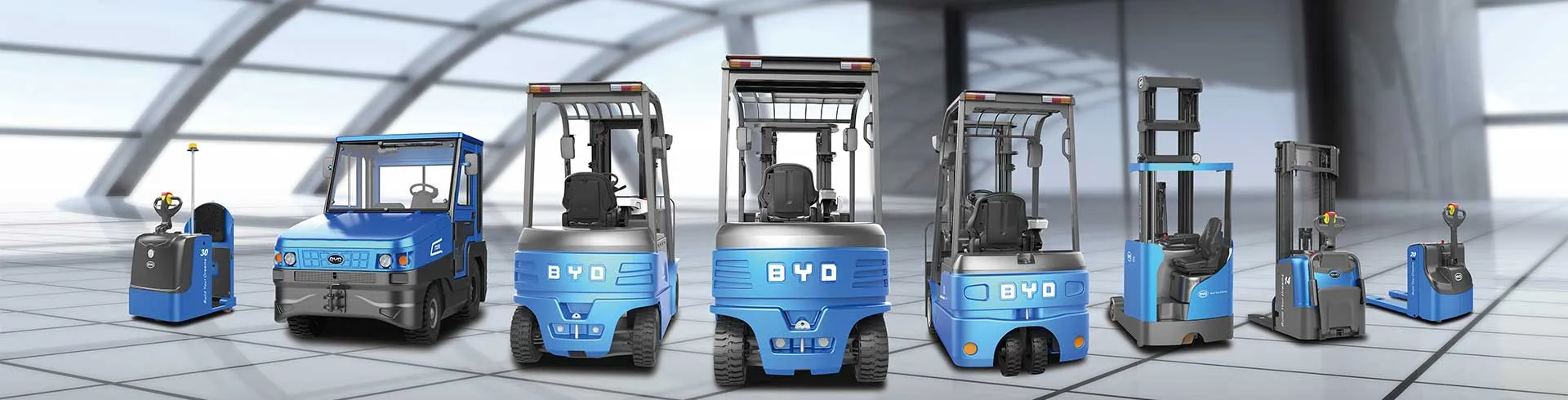
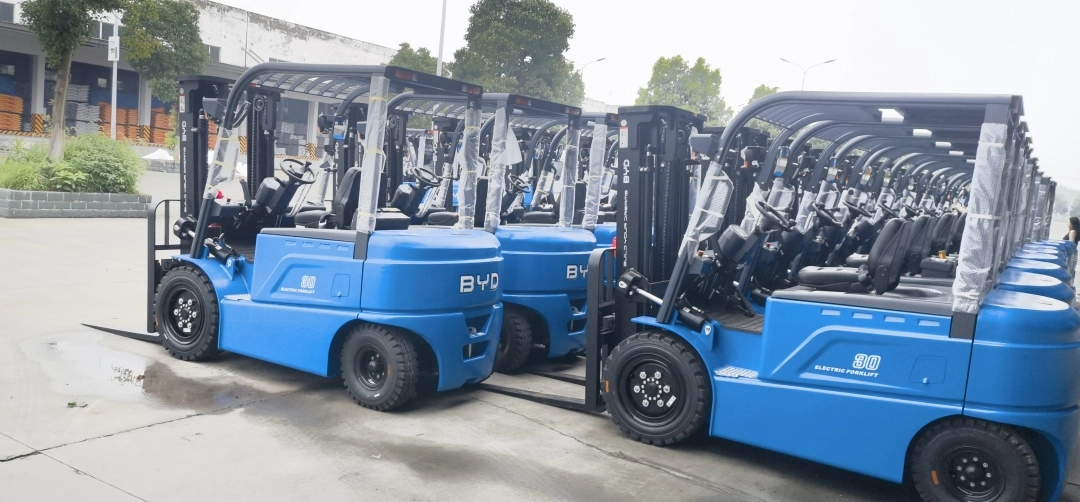
3-Ton counterweight electric forklift purchase core reference elements
Job Scene Adaptation Priority
Many users first pay attention to load-bearing parameters when purchasing forklifts, but ignore their own actual operating scenarios. Different operating environments have very different requirements for the wheelbase, steering flexibility, and battery life of forklifts. Indoor narrow aisle storage scenarios place more emphasis on the size and flexibility of the body, while outdoor transit yards with ramps pay more attention to the climbing ability and long-term battery life of the equipment. Sorting out their core operating scenarios in advance is the basic prerequisite for selecting the right equipment.
Comprehensive use cost consideration
In addition to the initial purchase cost of the equipment, users also need to consider the energy consumption performance, replacement cost of wearing parts, and after-sales response speed during subsequent long-term use in order to ensure that the investment in the whole life cycle is within a reasonable range and avoid problems such as high hidden costs and untimely maintenance responses that affect operation efficiency during subsequent use.
Comparison of differences between the two mainstream core models
Basic performance adaptation differences
One of the models has a more compact wheelbase design and higher steering flexibility. It can meet the needs of conventional continuous operation for about 8 hours at full power, and is more suitable for medium and small-scale indoor storage scenarios with moderate daily handling frequency. It can effectively reduce the difficulty of operation in narrow passages and reduce the probability of cargo collision and scratching. The weight structure of the other model has been optimized, and the climbing performance is better. After full power, the battery life can cover the high-frequency operation requirements of more than 10 hours. It is suitable for heavy-duty high-frequency operation scenarios such as outdoor factory transshipment and large-throughput logistics transit yards.
Detail configuration difference
The former's operating cockpit space has been ergonomically optimized, and operators who frequently move the car for a long time are not prone to fatigue. The silent performance of the whole vehicle is excellent, and it is more friendly to the indoor working environment. The latter has reserved sufficient attachments to expand the interface, and users can install different accessories such as side shifters and special clamps on demand to adapt to the handling needs of multiple types of special-shaped goods, and the flexibility is higher. Don't blindly pursue unnecessary high-performance parameters when purchasing. You can choose the product that best suits your own usage scenarios by combining your actual operation needs and long-term use budget.


