
 简体中文
简体中文 Deutsch
 日本語
日本語 한국어
한국어 Tiếng Việt
 Русский
 ไทย
ไทย Bahasa Indonesia
 Bahasa Melayu
 Filipino
 لالعربية
 Français
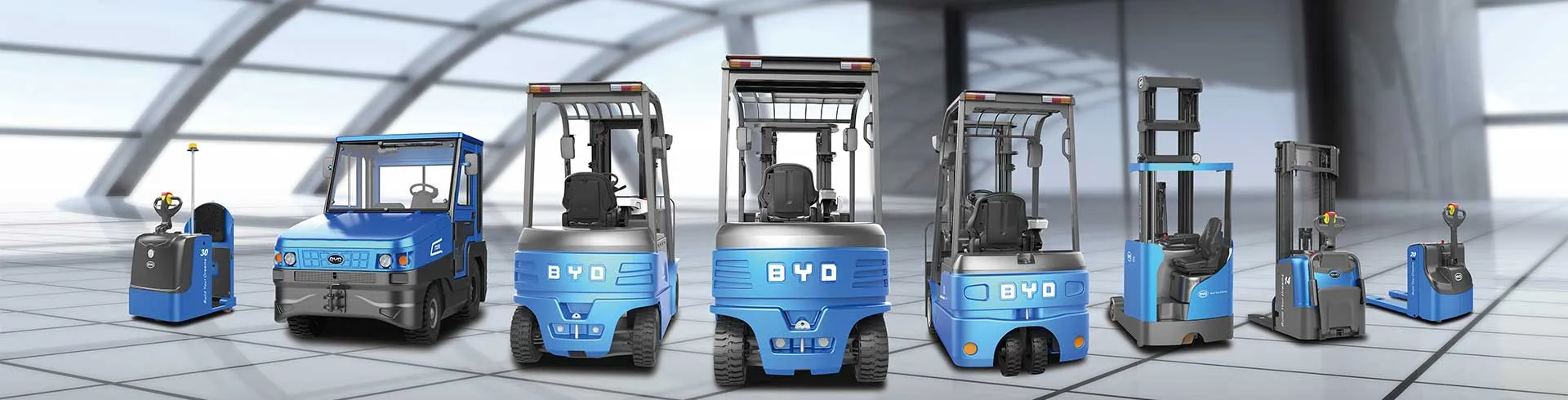
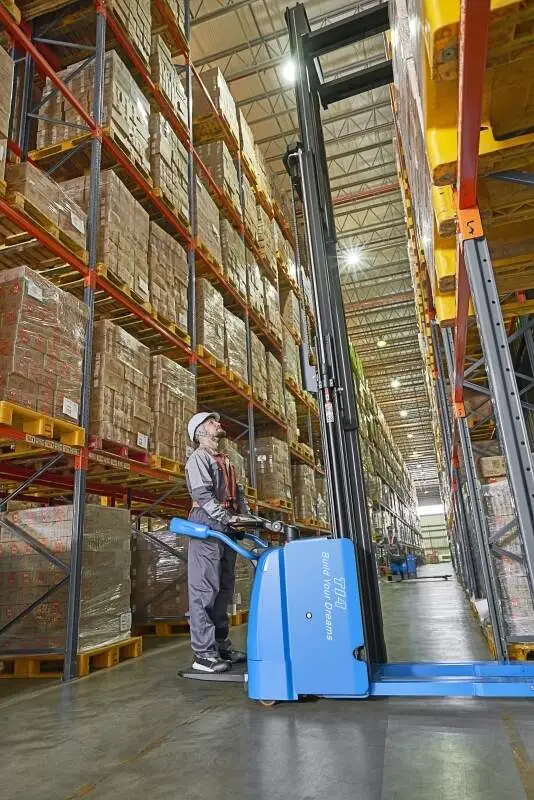
The differences in the basic positioning of the two models
As two 3-ton lithium-ion counterbalanced forklifts with high market acceptance, both products are equipped with mature lithium-ion power systems, which fully meet the handling and stacking needs of conventional 3-ton cargo. The core differences come from the different orientation design directions in the research and development stage, and the corresponding target usage scenarios also have their own emphasis.
Differences in power and endurance performance
The battery capacity standard configuration of the two models is slightly different. One of them is more suitable for long-term high-frequency operation scenarios. The continuous operation time at full power is more sufficient, and the adaptation efficiency of fast charging is also more in line with the needs of multi-shift operation. The other model has a smoother adjustment of the power output curve, better operation smoothness for starting and lifting, and is more suitable for fine handling operations.
Differences in body structure and traffic fit
The body weight layout of the two models has been optimized differently, and the turning radius parameters are clearly distinguished. One of them has a more prominent narrow passage capacity, which can adapt to the dense storage scene with small shelf spacing. The other has a higher ground clearance of the body chassis, which is better suited to the outdoor park operation scene with a small amount of bumps and slopes.
Scenario-based selection reference points
Job scene adaptation judgment
If the daily operation is based on multi-shift bulk cargo transshipment, with scattered operation points and occasional need to take into account short-distance outdoor transshipment, models with stronger power output and better chassis passability can be preferred. If the operation scene is concentrated in the indoor dense storage area, with high-frequency picking and fine stacking as the core requirements, you can choose to switch to models with more flexibility and better operation smoothness.
Long-term use cost considerations
The quality assurance cycle of the core components of the two models meets the relevant industry standards. The difference in operation and maintenance costs during use mainly comes from energy consumption performance and wearing parts adaptation range. You can comprehensively calculate the life cycle cost according to your own operating hours and annual usage frequency, and then make the final procurement decision.


