
 简体中文
简体中文 Deutsch
 日本語
日本語 한국어
한국어 Tiếng Việt
 Русский
 ไทย
ไทย Bahasa Indonesia
 Bahasa Melayu
 Filipino
 لالعربية
 Français
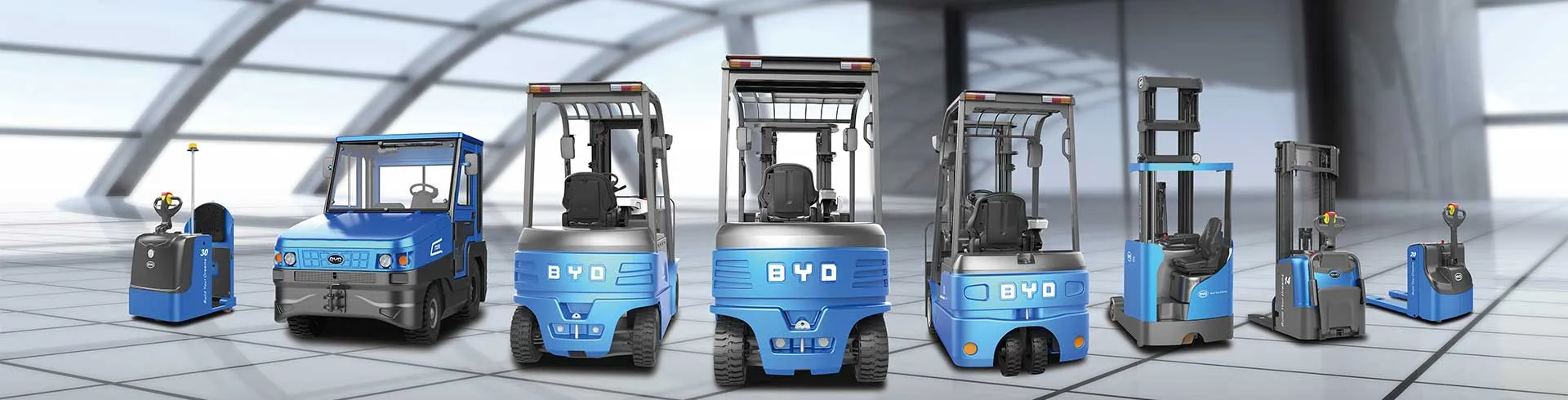
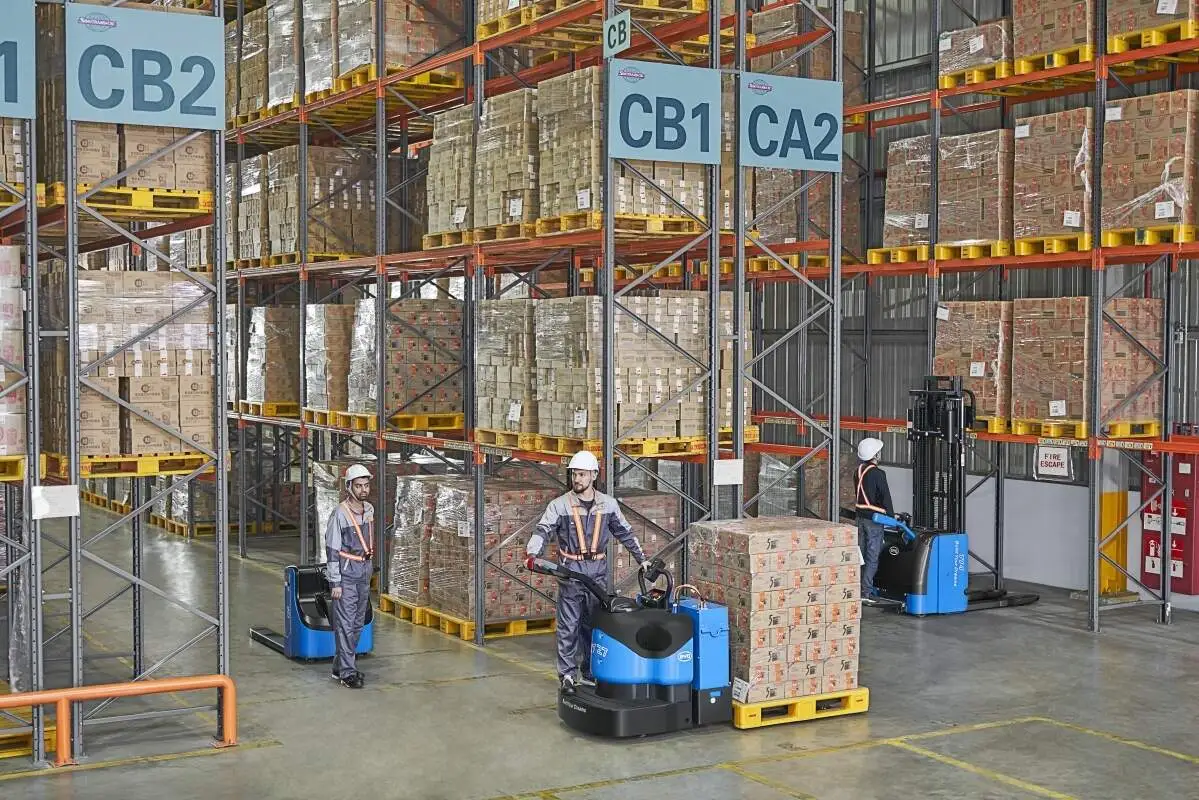
In logistics warehousing and workshop handling scenarios, electric ground cattle are widely used due to their flexible and efficient characteristics, and lifting system failures are a common type of problem for BYD ground cattle. When encountering related failures, accurately locating the problem parts and replacing them reasonably is the key to quickly restoring the function of the equipment.
If the ground cow is unable to lift or even cannot lift, it is mostly related to the aging and wear of the hydraulic cylinder seals. After the seals are eroded by hydraulic oil for a long time and frequently rubbed, gaps are prone to leakage of hydraulic oil, which in turn affects the lifting power. At this time, the cylinder seal kit needs to be replaced. Before operation, the pressure of the hydraulic system needs to be released, the inner wall of the cylinder needs to be cleaned to avoid impurities, and the new seals are installed and fitted in place to prevent secondary leakage.
When the local cattle have the failure of falling card and cannot fall back smoothly, there is a high probability that there is a problem with the control valve. The control valve spool may be worn and deformed after long-term use, or blocked by impurities in the hydraulic oil, resulting in poor hydraulic oil flow. In this case, the control valve of the suitable model needs to be replaced. When replacing, pay attention to cleaning the hydraulic pipeline. After installation, repeatedly test the lifting action to confirm that the falling back process is smooth and free of cards.
If there is an imbalance of the ground cow fork during the lifting process, and one side is high and the other is low, it is mostly caused by excessive wear or even fracture of the lifting chain or sprocket. The chain is prone to elongation and rust after long-term load, and the wear of the sprocket tooth surface will lead to poor transmission bite. At this time, the chain or sprocket needs to be replaced according to the degree of wear. After installation, the tightness of the chain should be adjusted to ensure that the tension of the chain on both sides is consistent to avoid the problem of imbalance again.
There are also some cattle that have insufficient lifting height, which is usually related to the decline in the performance of the gear pump. When the internal leakage of the gear pump is serious, it is impossible to establish enough hydraulic pressure, resulting in the lifting stroke not meeting the standard. In this case, it is necessary to replace the gear pump with the matching specifications. After installation, check whether the hydraulic system pressure meets the equipment parameters to ensure that the lifting height returns to normal.
In addition, if the cow lift trigger fails and the stroke cannot be precisely controlled, it may be a limit switch failure. The limit switch is affected by vibration and dust for a long time, and it is prone to poor contact or damage. At this time, the limit switch of the same type needs to be replaced, and the sensitivity of the switch needs to be tested after installation to ensure accurate control of the lift stroke.
When encountering a ground cow lifting failure, it is recommended to initially investigate the problem of the accessories by observing the fault phenomenon, select the appropriate regular accessories for replacement, and complete the installation in strict accordance with the operating specifications to ensure the subsequent stable operation of the equipment.


