简体中文
简体中文 Deutsch
 日本語
日本語 한국어
한국어 Tiếng Việt
 Русский
 ไทย
ไทย Bahasa Indonesia
 Bahasa Melayu
 Filipino
 لالعربية
 Français
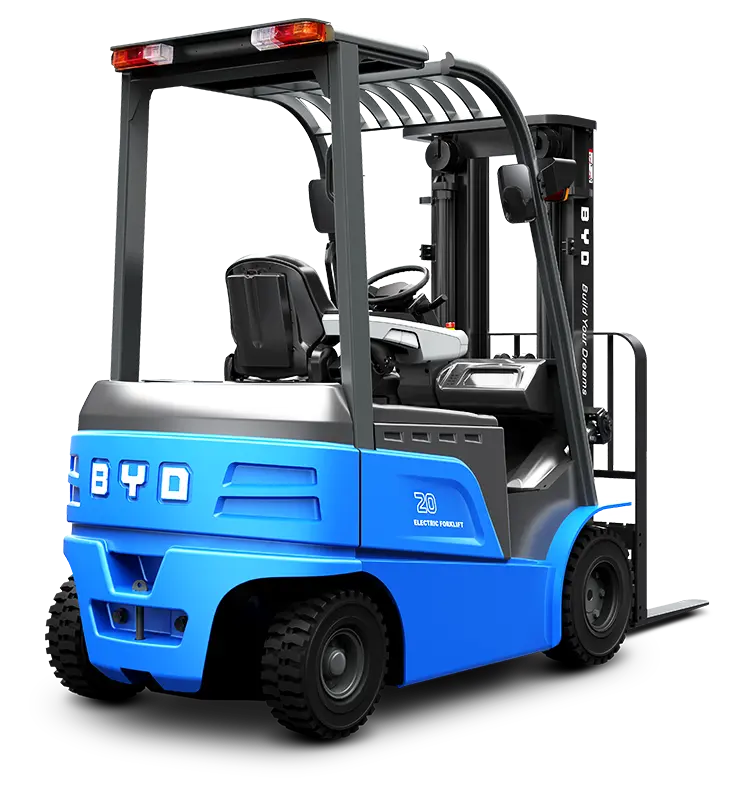
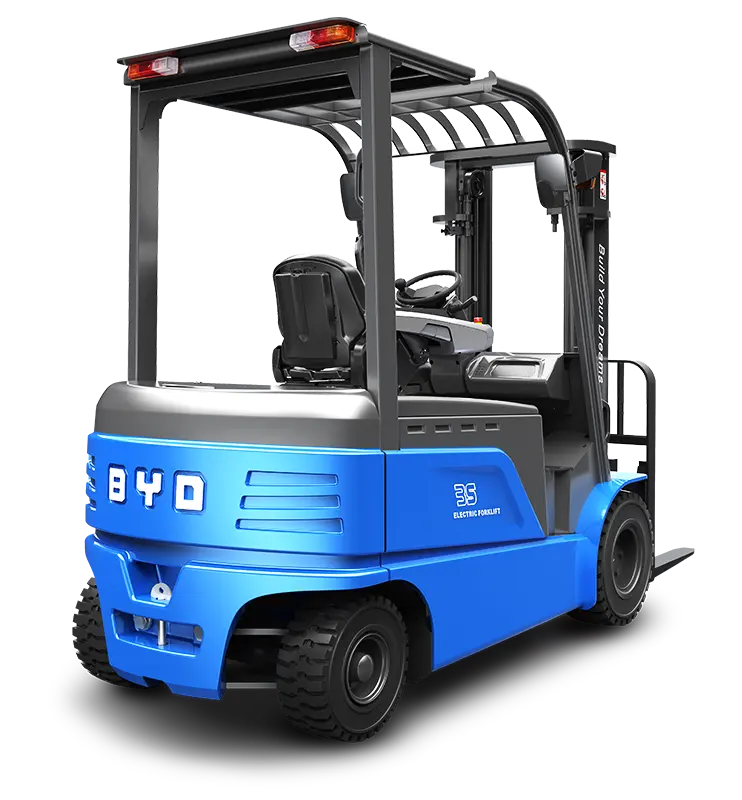
Cold storage, as a low-temperature closed operation scenario, is generally characterized by low ambient temperature, high air humidity, and easy frost and skid on the ground. Ordinary internal combustion forklifts or room temperature lithium-ion forklifts operate in such scenarios, and are prone to problems such as rapid battery attenuation, circuit failure, and brake skid. 3-ton forklifts are currently the mainstream selection for cold storage operations because their load capacity adapts to the handling needs of most cold storage fruits and vegetables, frozen products, and prefabricated dishes. Among them, low-temperature lithium-ion forklifts are being used more and more widely due to their advantages of environmental protection and stable battery life. When purchasing, several core configuration points should be paid attention to.
Basic adaptation requirements for forklifts for cold storage operations
Environmental suitability requirements
The forklift must first be adapted to the low temperature environment of the cold storage, at least able to withstand the conventional cold storage temperature of minus 25 degrees Celsius to minus 30 degrees Celsius. The whole vehicle should be designed to be moisture-proof and waterproof to avoid short circuits in circuit condensation. The braking system should be optimized for anti-skid, adapted to the needs of frost and slippery ground operations to reduce the risk of side slip.
Job efficiency requirements
The cold storage operation is usually compact, the turning radius of the forklift should be as small as possible, suitable for the narrow channel scene in the cold storage, the lifting speed should be stable, and it can be adapted to the access requirements of multi-layer shelves. At the same time, because the cold storage is not suitable for long-term door operation, the forklift battery life should meet the needs of single shift operation, reduce the frequency of charging in and out of the warehouse, and reduce the loss of cooling capacity.
Core configuration points of 3-ton low-temperature lithium battery forklift
Power battery configuration
It is necessary to choose a special low-temperature modified power battery with an independent battery insulation module to avoid rapid decay of battery capacity in low-temperature environments. At the same time, it is necessary to support fast charging function, and short-term replenishment can meet temporary operation needs. The battery protection level must reach at least IP67 to avoid moisture and water damage.
Vehicle electrical system configuration
All circuits must be insulated for low temperature resistance and anti-condensation, and core electronic components such as controllers and sensors must be calibrated for low temperature adaptation in advance to avoid functional failure in low temperature environments. When conditions permit, configurations with electronic component heating function can be selected to improve operating stability in extreme cold scenarios.
Body and structural configuration
The body paint surface should be made of low temperature and antifreeze materials to avoid cracking and falling off at low temperature. The door frame and load-bearing structural parts should be treated with antifreeze strengthening to improve structural stability. Anti-skid solid tires are preferred to reduce the risk of slipping and rollover. The seats, operating handles and other components contacted by operators should be treated with antifreeze treatment to improve the use experience.
When purchasing a 3-ton low-temperature lithium-ion forklift, in addition to the above core configuration, it is also necessary to make targeted adjustments based on the actual temperature zone, operation line, and load-bearing requirements of its own cold storage, and give priority to products that meet national special equipment safety standards. At the same time, daily maintenance can effectively extend the service life of the forklift and improve the overall efficiency of the cold storage operation.