简体中文
简体中文 Deutsch
 日本語
日本語 한국어
한국어 Tiếng Việt
 Русский
 ไทย
ไทย Bahasa Indonesia
 Bahasa Melayu
 Filipino
 لالعربية
 Français
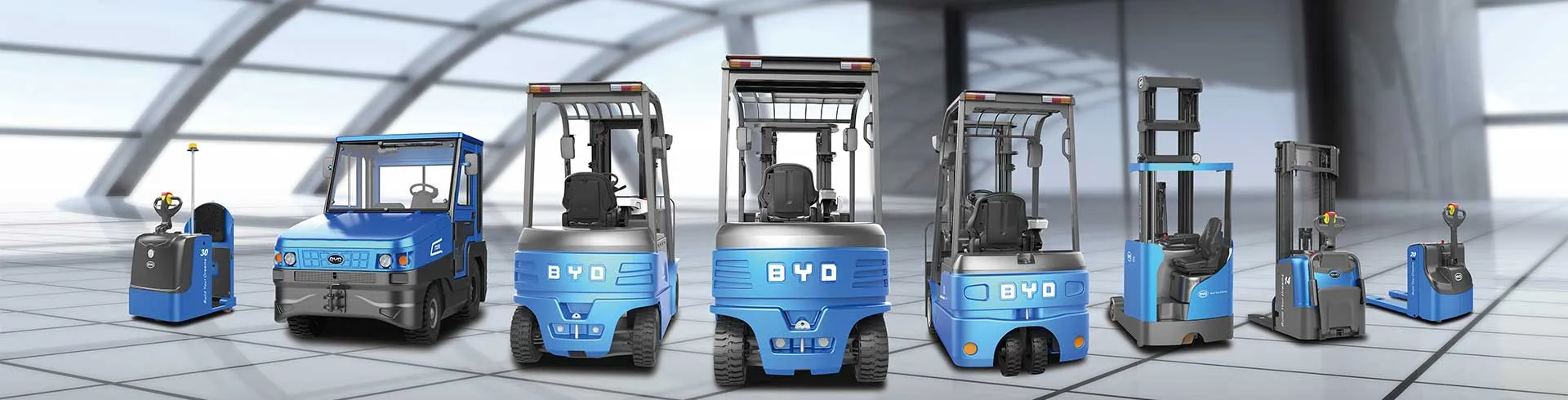
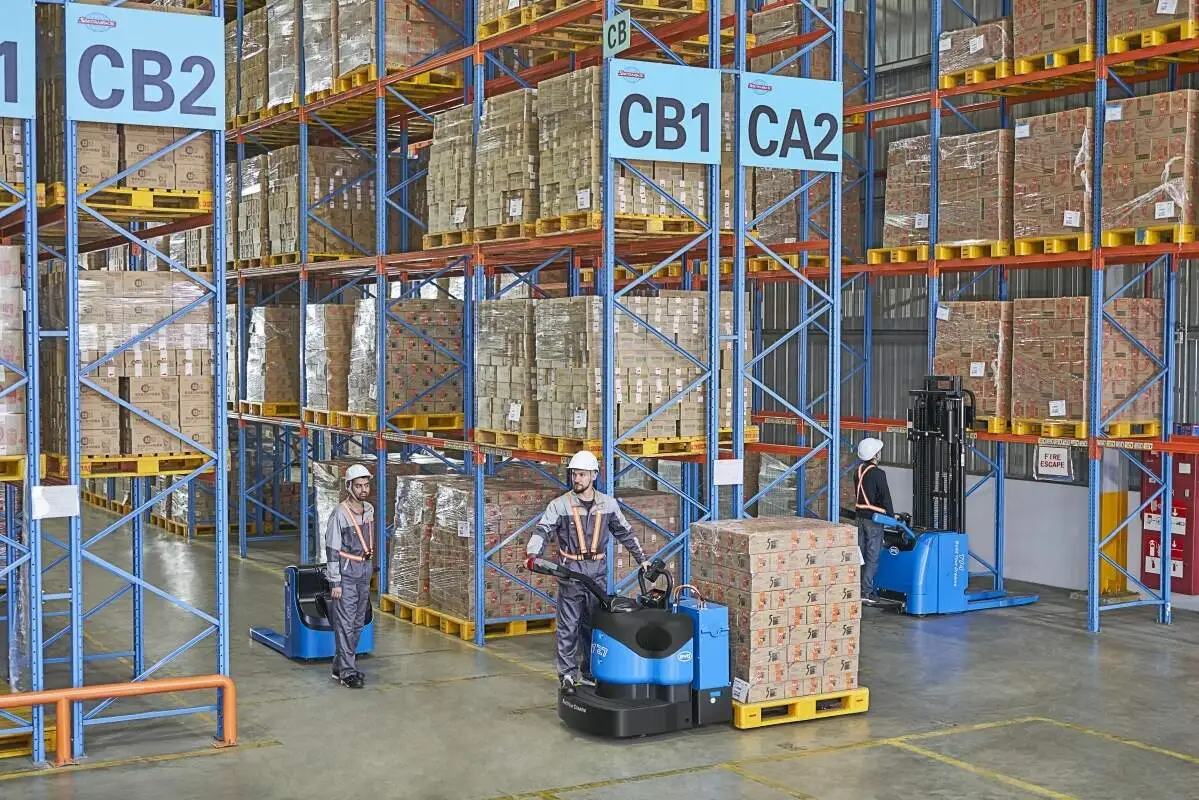
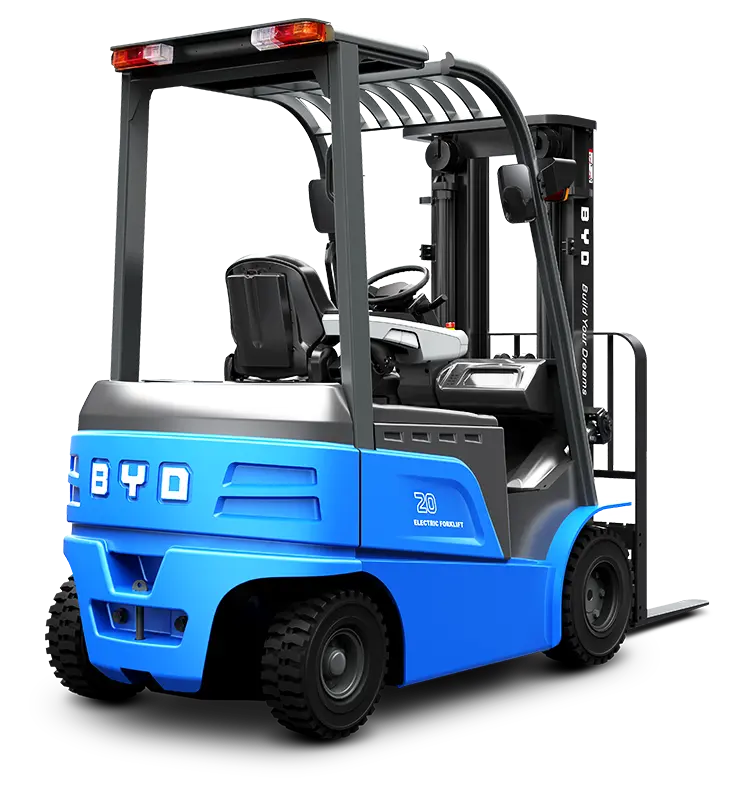
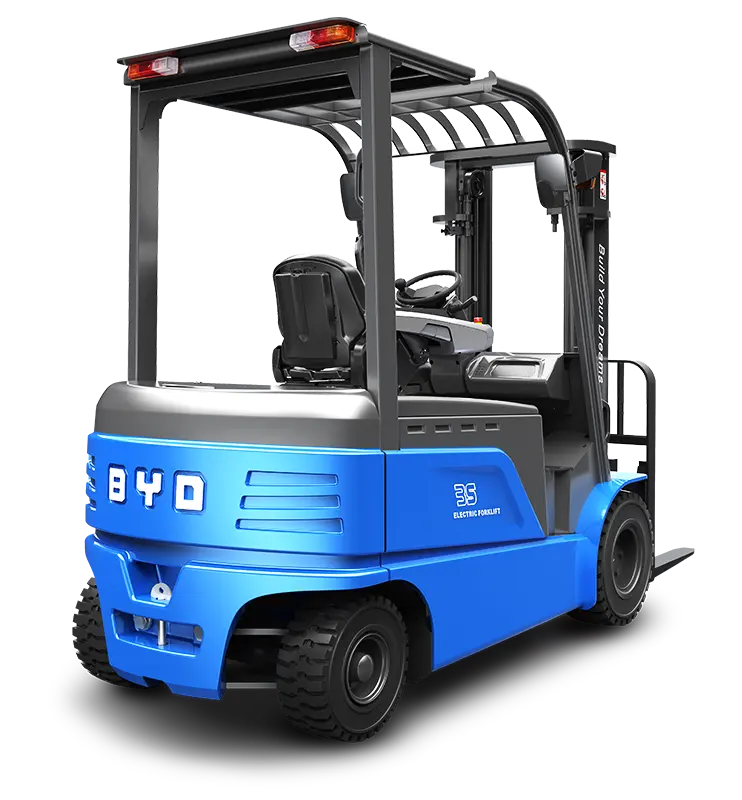
With the popularity of lithium-ion forklifts, 3-ton lithium-ion forklifts have become the main handling equipment for many warehousing and logistics scenarios due to their flexible operation capabilities. Among them, battery capacity is the core parameter that affects vehicle operation time and purchase cost. Choosing the right capacity can not only ensure smooth operation, but also avoid unnecessary cost waste.
Combining different working conditions to match the corresponding capacity is the core principle of model selection.
If it is a short-distance flat-road transfer scenario in the factory area, the single transportation distance is within 1 kilometer, the cumulative operation time per day is not more than 4 hours, and the proportion of heavy-duty operations is less than 30%. Choose a 100Ah to 120Ah battery to meet the demand. In this scenario, the operation rhythm is relatively loose, and the vehicle has a lot of idle time. Fragmentation time can be used to supplement energy, without the need for excessive capacity to increase the purchase cost.
If it is a medium and high-intensity indoor warehousing operation scenario, such as e-commerce warehousing, express transit warehouse stacking and transshipment of goods, the cumulative operation time is 6 to 8 hours per day, and there are frequent start and stop and small slope climbing needs. It is recommended to choose 180Ah to 200Ah batteries. This capacity gear can support full-shift operation of vehicles without midway replenishment, avoid frequent charging interrupting the rhythm of the operation, and improve the overall operation efficiency.
If it is a high-intensity outdoor or long-distance transshipment scenario, such as cargo transshipment in the building materials market and port yards, the cumulative operation time is 8 to 12 hours per day, and it is often necessary to climb hills with full load and drive long distances. It is recommended to choose a large-capacity battery of 240Ah to 280Ah. In such scenarios, the operation rhythm is compact and the charging time is limited. Large-capacity batteries can reduce the charging frequency and ensure the demand for continuous operation.
In addition to matching the core operating conditions, there are two other considerations to consider when selecting a model.
First of all, it is necessary to reserve a certain amount of job redundancy, and do not choose the capacity completely according to the minimum job demand. If there is a seasonal operation peak and the operation time needs to be extended occasionally, it is recommended to raise a capacity level on the gear matched by the foundation to avoid insufficient power affecting production during peak operation.
Secondly, it is necessary to adjust the selection according to the charging conditions of the site. If the operation site is equipped with multiple fast charging piles, the vehicle can be replenished at any time when it is idle, and a smaller capacity can be appropriately selected to reduce the early investment; if it can only be charged centrally during non-operation hours, and there is no condition for fragmented replenishment, it is recommended to choose a larger capacity as much as possible to ensure the power demand of all-day operation.
Overall, there is no uniform standard for the battery capacity selection of a 3-ton lithium-ion forklift. The core is to adapt to its own actual operating needs, taking into account various factors such as operating time, load ratio, and energy replenishment conditions, etc., to choose a cost-effective configuration that takes into account both operating efficiency and cost.