简体中文
简体中文 Deutsch
 日本語
日本語 한국어
한국어 Tiếng Việt
 Русский
 ไทย
ไทย Bahasa Indonesia
 Bahasa Melayu
 Filipino
 لالعربية
 Français
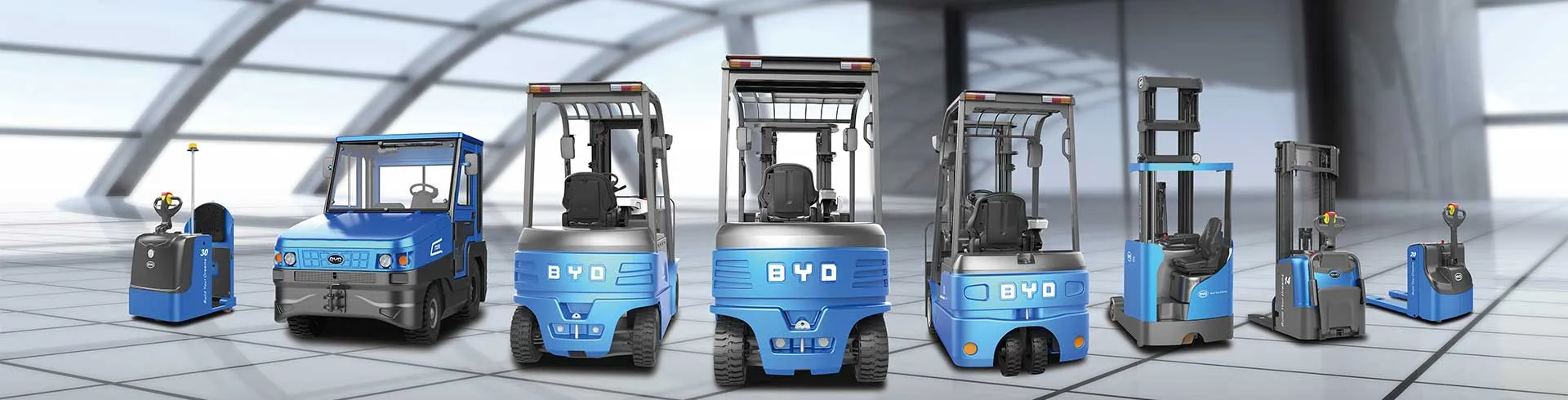
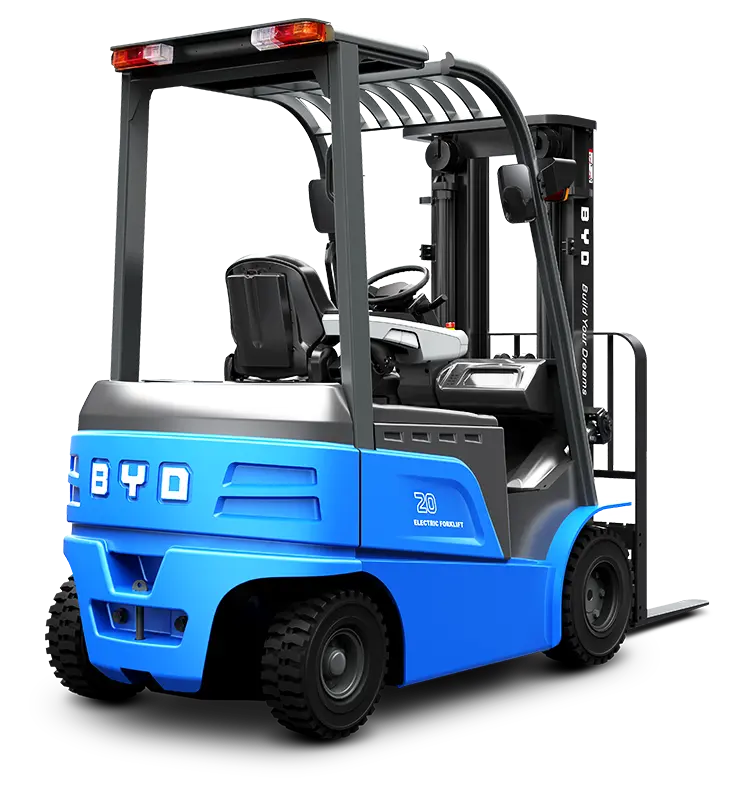
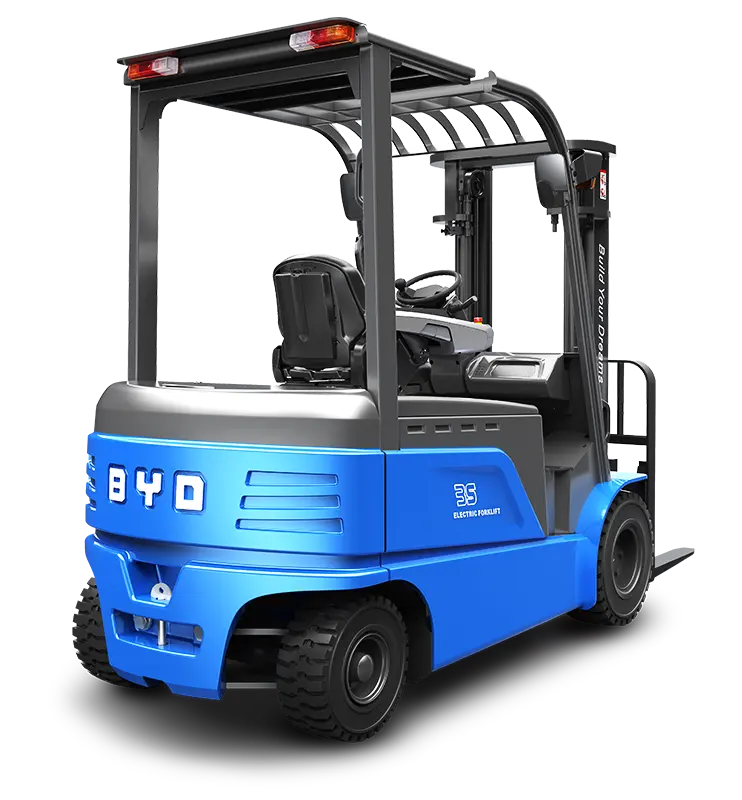
During the rainy season, the air humidity is high, and the road surface is prone to water accumulation. If the lithium-ion forklift is not properly operated and maintained, it is prone to problems such as circuit dampness, battery performance degradation, and metal component rust, which will not only shorten the service life of the equipment, but also pose a potential safety hazard. It is particularly important to master scientific protection and maintenance methods.
Protective inspection points before operation
Every time before leaving the car, check the sealing strips all over the body for aging and cracking, especially the sealing parts of the battery compartment and control box. If you find any gaps, seal them in time to avoid water vapor from invading the interior. Also check one by one whether the circuit joints are loose or exposed. If the insulation layer is damaged, replace it in time. Make sure that all the protective covers are tightly fastened before starting the vehicle. In the rainy season, confirm in advance whether the battery shell is bumped and cracked, and whether there is oxidation and rust on the pole part. Apply special protective grease appropriately to reduce the risk of rust. Do not leave water on the surface of the battery to avoid short circuit problems.
Precautions for protection during operation
The road surface is slippery in the rainy season. When driving, reduce the speed of the vehicle. When steering and braking, slow down the operation to avoid side slips and scratches. When carrying goods, increase the safe distance from the car in front and reserve enough braking distance. When encountering stagnant water sections, first observe the depth of stagnant water. As long as the stagnant water does not pass through the lowest part of the forklift chassis, do not force it through to prevent the stagnant water from pouring into the battery compartment and control box. Try to avoid the scene of rain in the open air when operating. If you must temporarily work in the open air, do a good job of temporary occlusion of the vehicle body, and do not let the equipment be showered by rain for a long time. If you smell peculiar smell during the operation, find abnormal vehicle power or malfunction warning of the instrument panel, stop in a dry and safe area for power failure
Daily maintenance points after operation
After the end of the operation every day, it is necessary to wipe the rainwater and stains on the surface of the body in time, especially the accumulated water in the battery, circuit connector, and hub motor. Do not wash the body directly with a high-pressure water gun to avoid water vapor rushing into the interior of the loosely sealed parts. Vehicles should be stored in a dry and ventilated room as much as possible, and should not be parked in an open and humid environment. Vehicles parked for a long time should be powered on and started regularly. The health status of the battery can be tested once a week to check potential failure hazards in time. Doing a good job of protection and maintenance in the rainy season can effectively reduce the failure rate of lithium-ion forklifts, reduce maintenance costs, and ensure the safety of the operation process.