简体中文
简体中文 Deutsch
 日本語
日本語 한국어
한국어 Tiếng Việt
 Русский
 ไทย
ไทย Bahasa Indonesia
 Bahasa Melayu
 Filipino
 لالعربية
 Français
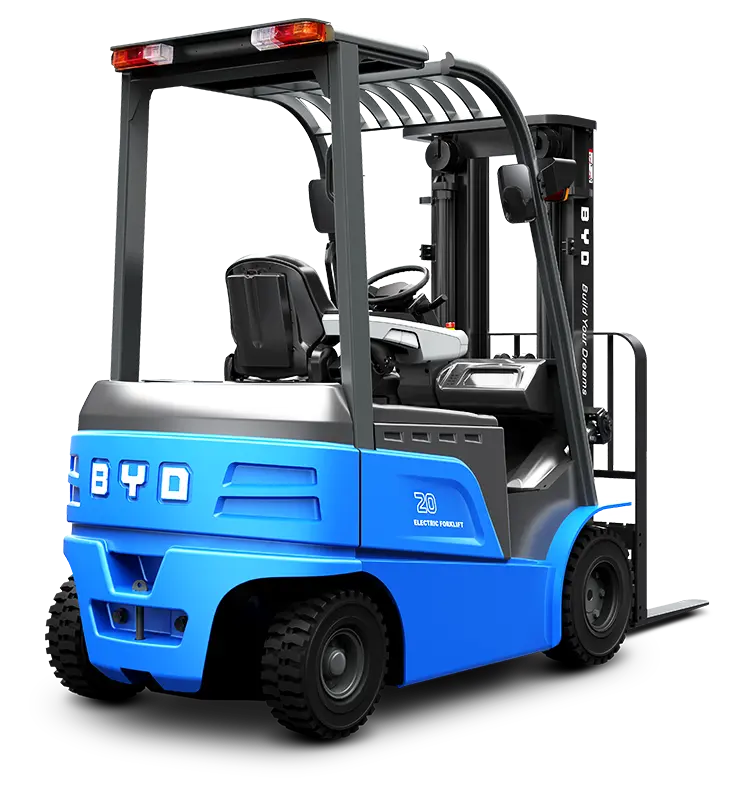
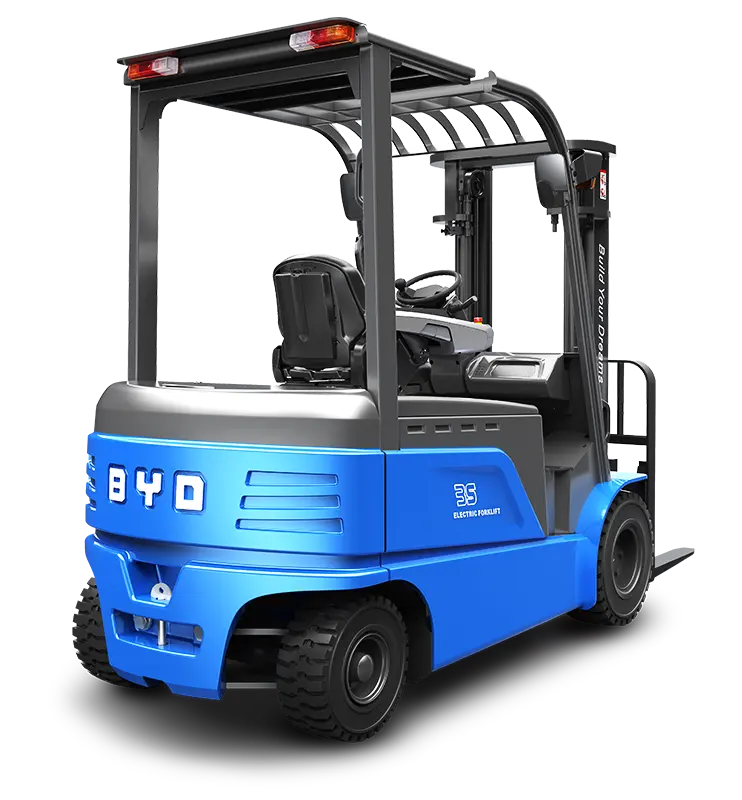
With the wide application of lithium-ion forklifts in warehousing, logistics, manufacturing and other scenarios, many user units have insufficient understanding of the regulatory requirements of vehicles, and are prone to illegal operations. The following are detailed descriptions of lithium-ion forklifts, annual inspection requirements and compliance instructions.
Lithium forklifts are special motor vehicles in the field. According to regulatory requirements, they must complete the registration before they can be put into operation. The user needs to bring the vehicle factory qualification certificate, procurement relevant vouchers, operator qualification certificates and other materials, go to the local market supervision department to submit the application for licensing, and cooperate with the staff to complete the vehicle verification. After confirming that the vehicle parameters are consistent with the filing information and there is no private modification, the special license plate can be obtained. The license plate needs to be fixed in a conspicuous position of the body and cannot be blocked or altered. The act of borrowing the license plate is an illegal operation.
According to the current regulatory requirements, lithium forklifts need to complete a statutory inspection every year. The user needs to submit an annual inspection application to the territorial special equipment inspection agency 1 month before the expiration of the valid inspection period, and prepare the previous year's inspection report, vehicle daily maintenance ledger, operation records and other materials to cooperate with the inspection. The inspection content covers multiple dimensions such as braking system, steering system, safety performance of lithium electric power system, and integrity of safety protection devices. If the inspection fails, the rectification needs to be completed within the specified time limit. After the re-inspection is passed, it can continue to be used. Vehicles that have not been inspected within the time limit are strictly prohibited from being put into operation.
First of all, it is necessary to implement the requirements for the qualification of operators. All personnel operating lithium-ion forklifts must obtain the corresponding category of special equipment operator certificates. Unlicensed personnel are strictly prohibited from operating vehicles. During the operation, they must strictly abide by the operation specifications. They must not overload or speed, and must not carry personnel illegally.
Secondly, it is necessary to do a good job of daily inspection and maintenance. Before each operation, the vehicle brakes, lights, battery status, tire condition, etc. need to be investigated. If any hidden dangers are found, it is necessary to stop the machine for maintenance in time, and no fault operation is allowed. Lithium battery charging requires the use of supporting compliance charging equipment. It is not allowed to modify the battery structure or change the original parameters of the vehicle without permission.
Finally, it is necessary to improve the internal management ledger and record the use, maintenance, fault repair, annual inspection and other relevant information of the vehicle in detail. After the vehicle reaches the scrapping standard, it is necessary to go through the scrapping procedures in time and not overdue service. During the operation process, it is necessary to strictly abide by the traffic rules on the site, actively avoid pedestrians, and slow down when working in ramps, narrow passages and other areas to prevent safety accidents.