简体中文
简体中文 Deutsch
 日本語
日本語 한국어
한국어 Tiếng Việt
 Русский
 ไทย
ไทย Bahasa Indonesia
 Bahasa Melayu
 Filipino
 لالعربية
 Français
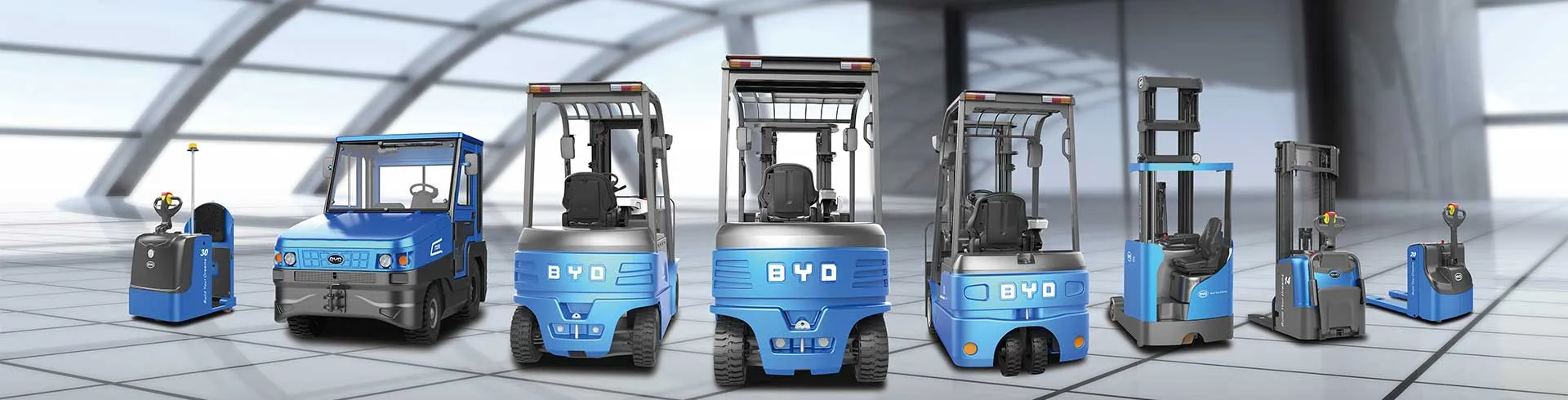
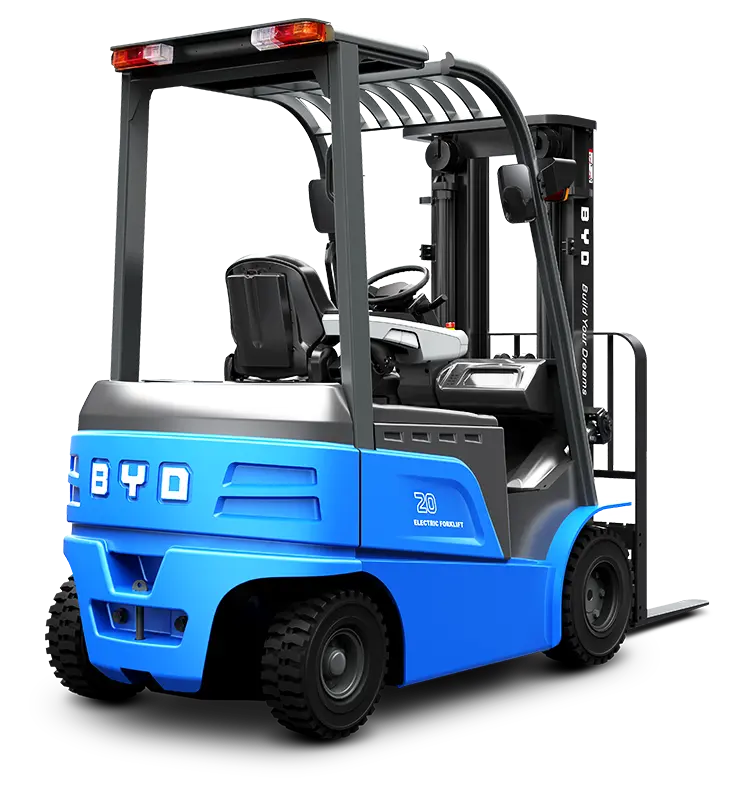
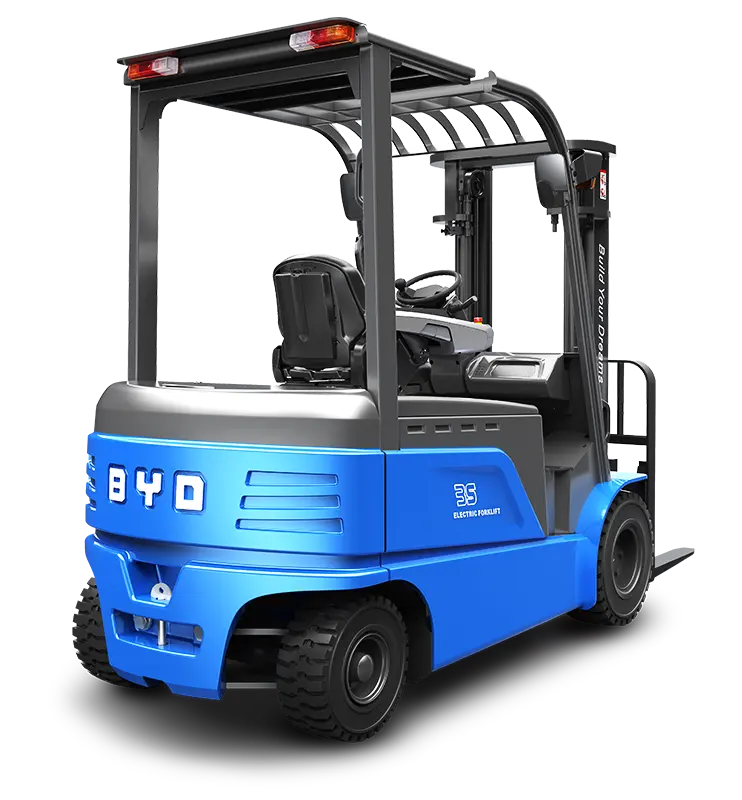
Logistics electrification is one of the core directions for the current logistics industry to reduce costs and reduce carbon emissions, transform and upgrade. With the continuous advancement of the dual-carbon target and the continuous tightening of emission control requirements for non-road mobile machinery, the demand for replacement of traditional internal combustion forklifts continues to release, and lithium-ion forklifts, as the core category of electric forklifts, are ushering in a broad development space.
The electrification of logistics has spawned new demand for lithium-ion forklifts. In recent years, the electrification transformation progress of domestic warehousing, logistics, manufacturing handling and other scenarios has been accelerating. Traditional internal combustion forklifts have problems such as high emission pollution, high noise and high maintenance costs, making it difficult to meet the needs of indoor warehousing, cold chain transportation, food and medicine processing and other scenarios with high environmental requirements. Compared with lead-acid battery electric forklifts, the comprehensive use experience of lithium-ion forklifts is better, and the market acceptance is improving year by year.
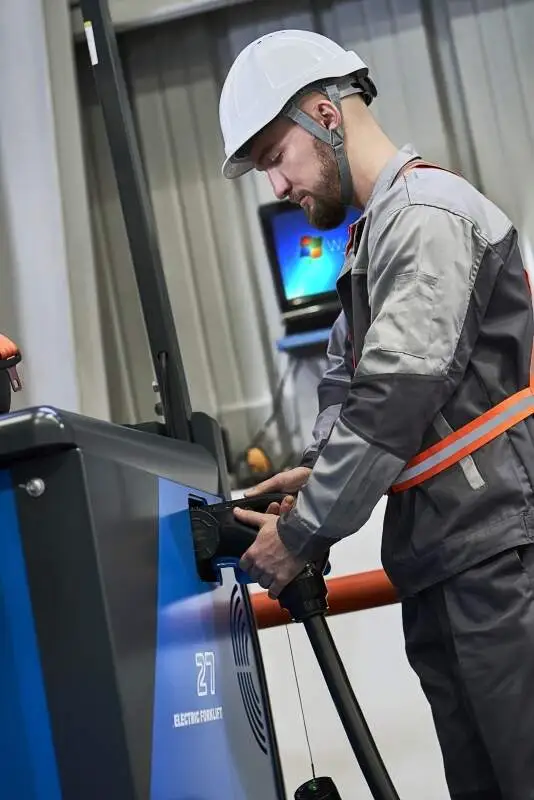
Lithium forklifts have multi-dimensional competitive advantages. The first is the cost advantage. Lithium forklifts have faster charging speed and longer cycle life. They do not need to add additional electrolytes or perform regular maintenance of lead-acid batteries on a daily basis, and there is no related cost of replacing oil and three filters for internal combustion forklifts. The cost reduction effect of long-term use is very obvious. Secondly, the working condition adaptation advantage. Lithium forklifts have no exhaust emissions and lower noise during operation. They can not only be used normally in closed indoor scenes, but also adapt to special operating environments such as low temperature and high dust. The coverage of applicable scenarios is wider.
The future development space of lithium-ion forklifts is broad. From the perspective of market demand, the current forklift electric penetration rate of small and medium-sized logistics enterprises, county logistics outlets, and small manufacturing plants is still low. With the continuous maturity of lithium-ion technology, the purchase cost of lithium-ion forklifts has gradually declined, and the replacement space in the lower-tier market is very sufficient. From the perspective of technology integration, the high adaptability of lithium-ion energy can better match the use needs of unmanned forklifts and intelligent warehousing dispatching systems, and the degree of integration with intelligent and unmanned handling scenarios will be further enhanced in the future. From the perspective of policy orientation, the emission control policies for non-road mobile machinery in various places are constantly refined, and the use restrictions of high-emission internal combustion forklifts will increase, which will further promote the replacement process of lithium-ion forklifts.
Overall, the market size of lithium-ion forklifts will continue to grow steadily, and will gradually become the mainstream choice in the field of material handling equipment in the future, providing important support for the electric transformation of the logistics industry.