简体中文
简体中文 Deutsch
 日本語
日本語 한국어
한국어 Tiếng Việt
 Русский
 ไทย
ไทย Bahasa Indonesia
 Bahasa Melayu
 Filipino
 لالعربية
 Français
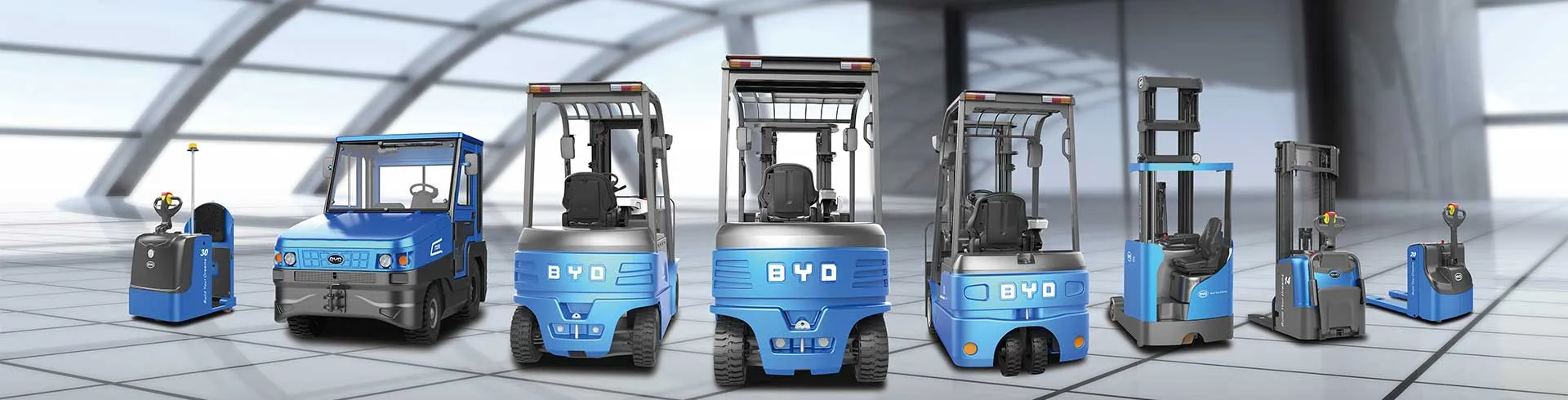
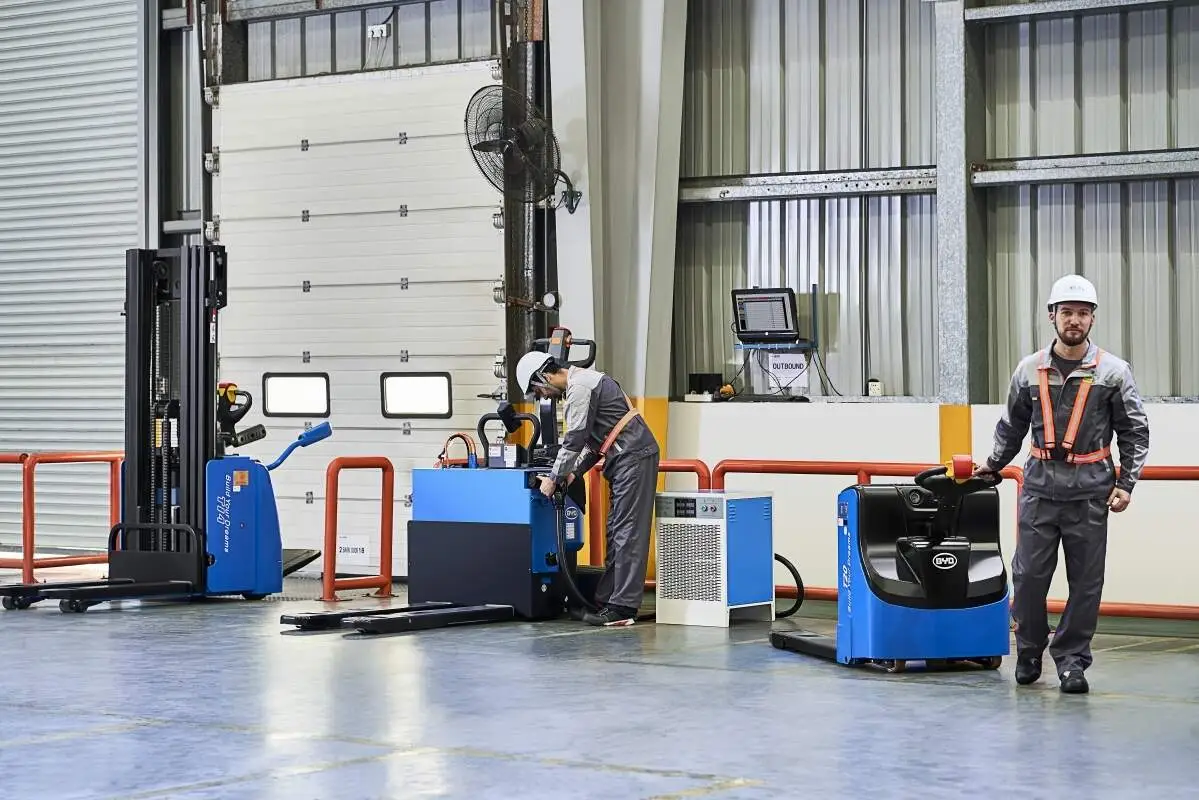
When purchasing lithium battery forklifts, many users often struggle with how to choose the tonnage to suit their own needs. Choosing a large size can easily lead to a waste of budget and energy consumption. Choosing a small size cannot meet the requirements of the operation. Matching the tonnage with the actual operation scenario is the core logic of the purchase.
Before purchasing a lithium battery forklift, it is necessary to clarify three basic information. First, the single cargo handling weight of regular operations should be based on the maximum cargo weight of daily handling, rather than the peak temporary demand, to avoid redundancy in tonnage configuration. Second, the site environment of the main operation, including channel width, ground flatness, whether there is a slope, etc., which will affect the tonnage range of the suitable forklift. Third, the continuous duration requirements of daily operations, combined with the battery life requirements to match the corresponding battery capacity to ensure operation efficiency.
Light warehousing operation scenarios are mostly indoor e-commerce warehouses, small and medium-sized retail warehouses, with narrow operating channels. The single-load handling of goods is mostly full boxes of consumer goods and small spare parts, with a single load-bearing capacity of less than 1 ton. In this case, choose a 1-ton to 1.5-ton lithium battery forklift. The body is small and flexible, with a small turning radius, suitable for narrow channel operation requirements, and lower energy consumption.
The operation scenarios of medium and heavy warehouses are mostly large-scale production workshops and regional distribution centers. The single-load handling of goods is mostly raw materials for the production of whole goods and large-scale finished products. The conventional load-bearing capacity is between 1 ton and 3 tons, and some temporary handling requirements may reach 3.5 tons. In this case, it is recommended to choose a lithium battery forklift with 2 tons to 3.5 tons. The power reserve is sufficient to meet the needs of continuous loading and unloading and handling for a long time, and it can also be adapted to the working environment with a slight slope on the ground.
Outdoor stations and docks are mostly open-air freight yards, logistics park transit stations, and port docks. The ground may be slightly uneven, and the single handling is mostly heavy container cargo, bulk building materials, with a conventional load-bearing capacity of more than 3 tons. Some scenarios may reach 5 tons. In this case, it is recommended to choose a 4-ton to 5-ton lithium battery forklift, which has stronger power performance and higher body stability and can adapt to the needs of outdoor complex road conditions.
If there are special operational requirements, such as the need to operate in cold storage and explosion-proof environments, in addition to tonnage matching, the corresponding protective configuration should be communicated in advance to ensure operational safety compliance.