简体中文
简体中文 Deutsch
 日本語
日本語 한국어
한국어 Tiếng Việt
 Русский
 ไทย
ไทย Bahasa Indonesia
 Bahasa Melayu
 Filipino
 لالعربية
 Français
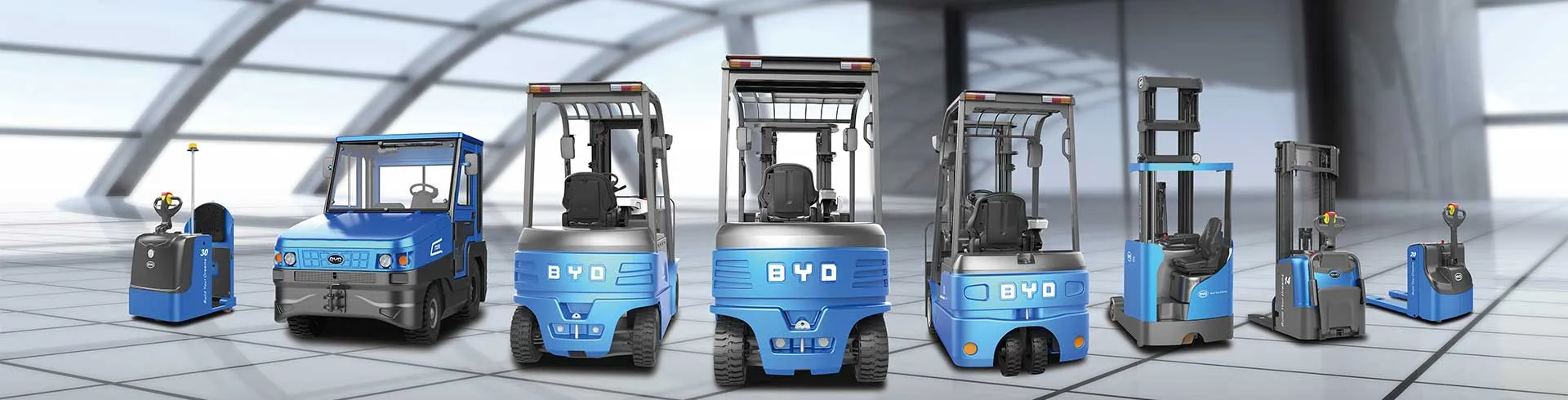
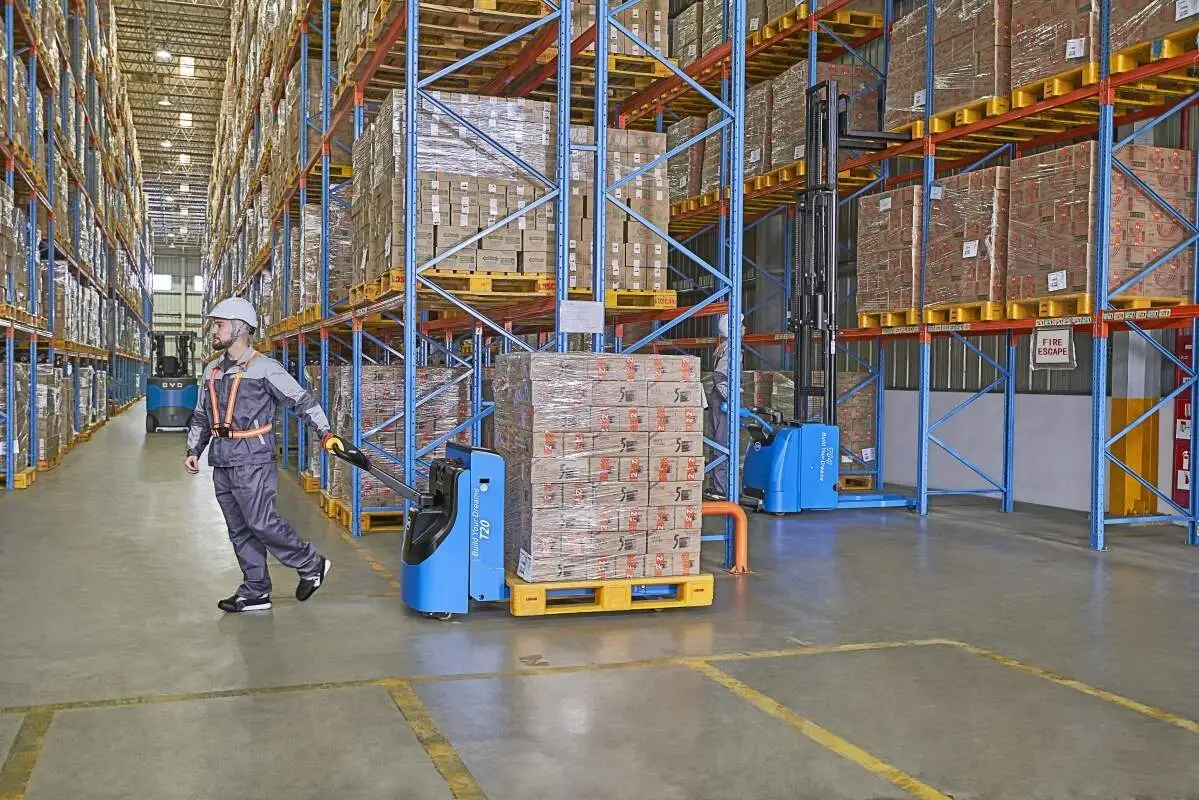
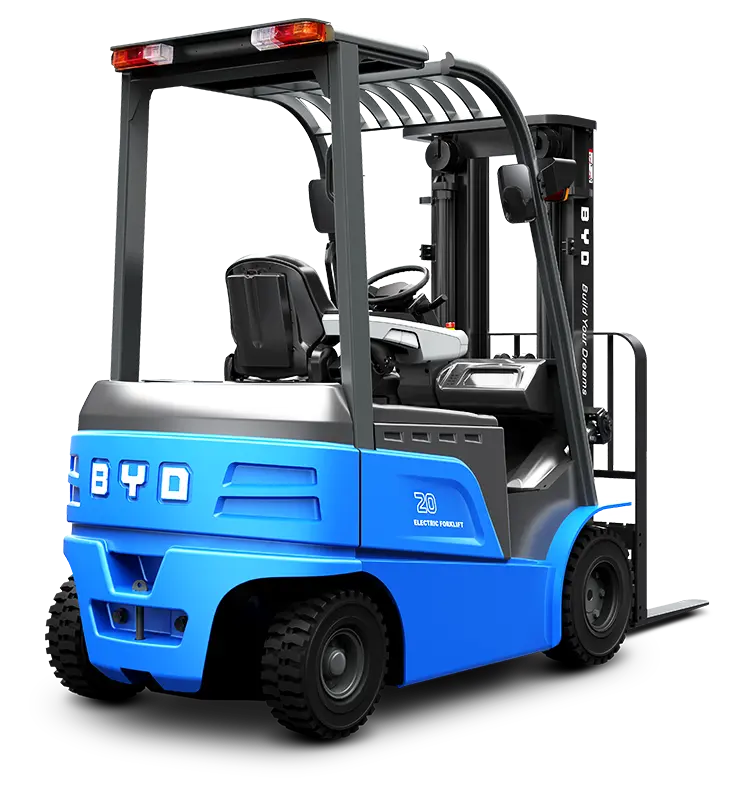
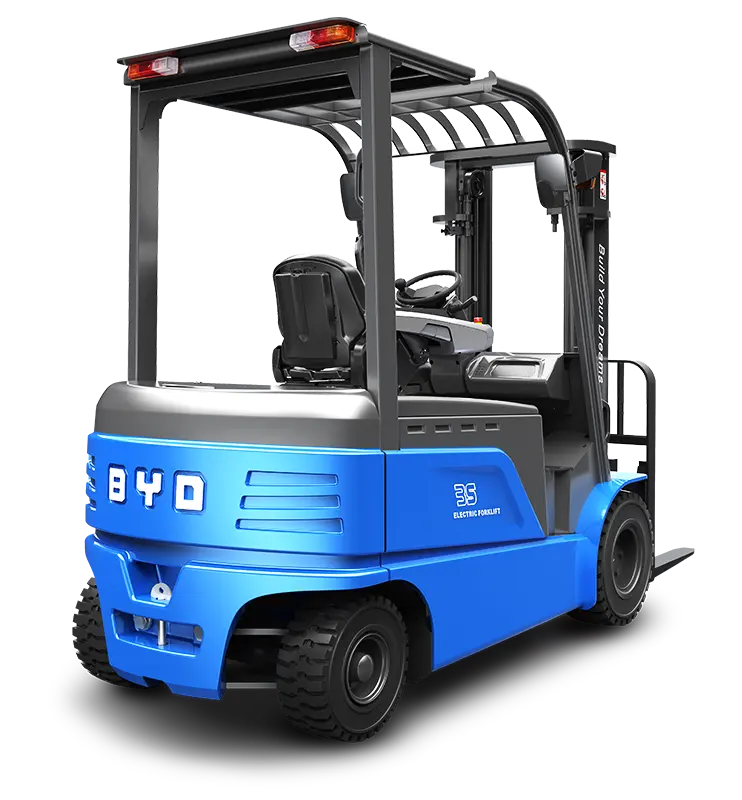
Lithium forklifts have been widely used in warehousing, logistics, manufacturing and other scenarios due to their environmental protection and high efficiency. As its core power source, the service life of lithium batteries directly affects the cost and operating efficiency of the vehicle. Many users ignore some details and habits during use, which will quietly shorten the service life of the battery and increase the cost of subsequent replacement.
Common wrong habits in the charging process
Frequent undercharge
In order to catch up with the work schedule, some users often unplug the battery before it is fully charged, or leave the charger unplugged for a long time after the work, both of which will cause damage to the cell structure inside the battery. Lithium batteries have a fixed number of charge and discharge cycles, and each undercharge will make the battery active material unable to fully react, and there will be a problem of capacity attenuation in the long run; overcharging will cause the internal temperature of the battery to be too high, increase electrolyte loss, and even pose a safety hazard in severe cases.
The charging environment does not meet the requirements
Many users will choose the charging area at will, either in an open field exposed to high temperature, or in a low-lying area with humid water, or in a corner where flammable and explosive items are piled up around. Lithium batteries have clear requirements for the charging environment temperature. It is usually recommended to charge in a dry and ventilated environment of 0 to 45 degrees Celsius. If the temperature is too high, it will exacerbate the internal side reactions of the battery. If the temperature is too low, it will lead to a decrease in charging efficiency. Charging in an environment that does not meet the requirements for a long time will greatly shorten the normal service life of the battery.
Wrong operation during use
Long-term overload operation
In some operating scenarios, users often allow forklifts to carry more than the rated load in order to improve transportation efficiency. At this time, the battery needs to output a larger current to maintain power. Long-term high-current discharge will accelerate the aging of the battery, causing the battery capacity to decline rapidly. This not only shortens battery life, but also increases the loss of other core components such as motors.
Long-term storage in power loss state
If the forklift is not used for a long time, many users will park it directly in the corner of the warehouse without fully charging the battery in advance. Lithium batteries are stored in a state of power loss, which is prone to sulfation. Crystals adhere to the plate, which will block the ion channel, resulting in a decrease in battery capacity. The longer the idle time, the more serious the battery loss, and may even fail to recharge.
Routine maintenance mistakes
Disassemble the battery at will
When some users find a battery malfunction, they will disassemble and check it by themselves. The internal structure of the lithium battery is precise, and disassembly without professional equipment and protective measures can easily damage the internal sealing structure, and even cause short circuits, liquid leakage, etc., which will not only directly damage the battery, but also cause safety accidents.
The battery interface is dirty and not cleaned for a long time
During daily operation, the battery interface is easily contaminated with dust, water stains, and sundries. Many users never take the initiative to clean it up. Long-term accumulation of dirt can lead to poor contact with the interface, and current instability can occur during charging and discharging, which accelerates the aging of the battery. In severe cases, the contact point can also be burned out due to heat.
When using a lithium-ion forklift on a daily basis, as long as you avoid these wrong habits and operate and maintain it strictly according to the specifications, you can effectively extend the service life of the battery, reduce overall operating costs, and improve the safety of the operation process.