简体中文
简体中文 Deutsch
 日本語
日本語 한국어
한국어 Tiếng Việt
 Русский
 ไทย
ไทย Bahasa Indonesia
 Bahasa Melayu
 Filipino
 لالعربية
 Français
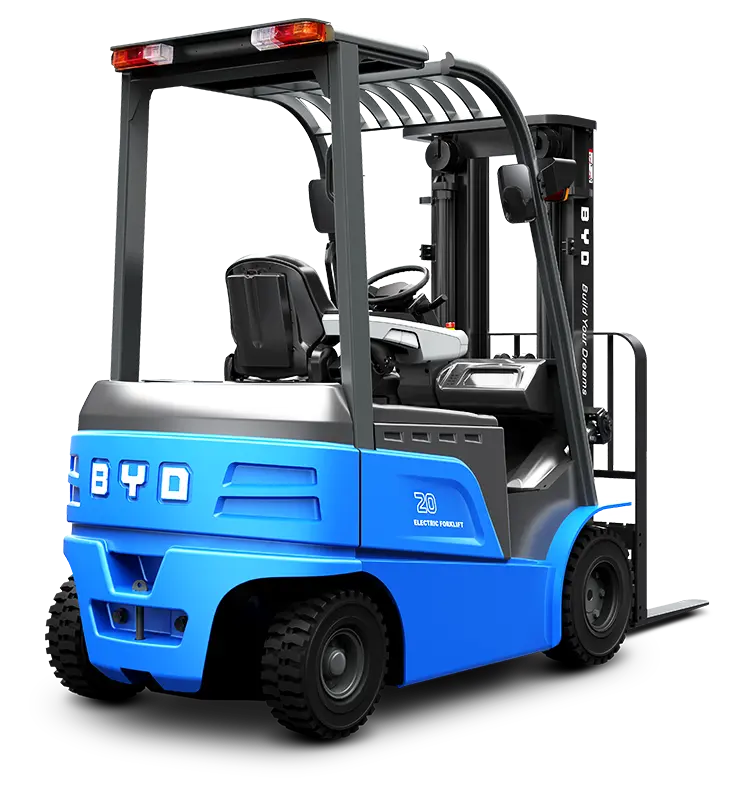
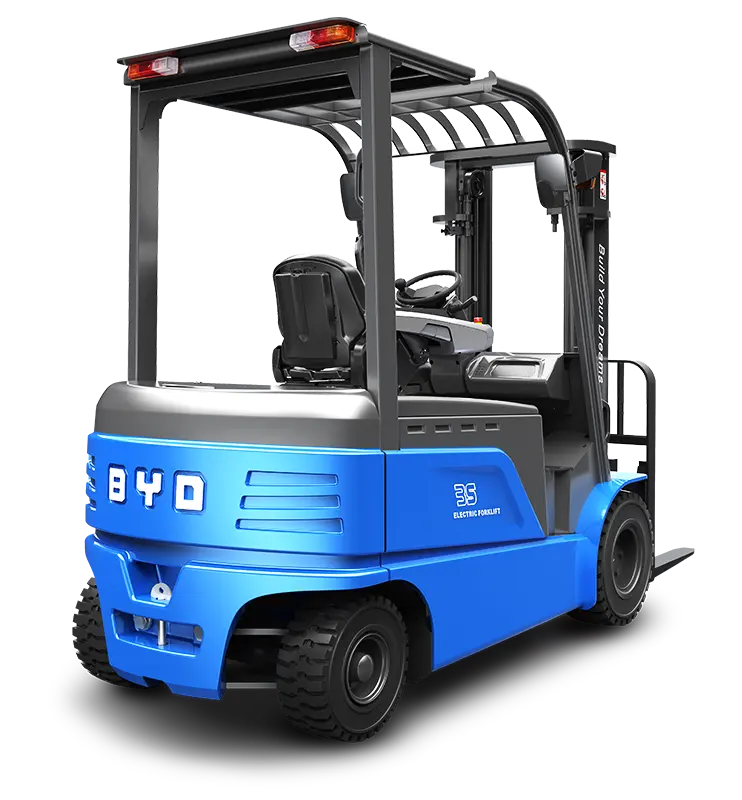
When many practitioners purchase second-hand 3-ton forklifts, they often prioritize price and ignore the importance of comprehensive vehicle inspection. In the future, there may be frequent failures and high maintenance costs. Mastering the inspection methods of the core parts can effectively avoid the purchase trap.
Power system inspection
The power system is the core component of a forklift truck, directly affecting its efficiency and lifespan.
Fuel forklifts should first check whether the engine has oil leakage and liquid leakage traces, listen to whether there is abnormal noise after starting, observe whether there is smoke and pungent odor in the exhaust emissions, and try to step on the accelerator to check whether the power output is stable and whether it can meet the rated output standard during the full load test. Electric forklifts should focus on checking the battery life test report of the battery pack, check whether there are aging and corrosion traces in the wiring port, and test whether the motor runs with jitter and abnormal noise after power on.
Chassis and load-bearing structure inspection
The daily operation of forklifts bears a large load, and the state of the chassis and structural parts is directly related to the safety of use.
First check the door frame to see if there are any signs of deformation and later welding repair. Repeatedly test the lifting and tilting operations to confirm whether there are cards or abnormal noises. Check the wear degree of the chain and whether there are cracks and uneven tightness. Secondly check the tire wear, whether there are bulging and excessive wear problems, and whether the wheel hub is deformed. Finally check the whole frame to see if there are traces of collision deformation and serious rust, focusing on whether there are dark wounds in the position of the load-bearing beam.
Operation and safety system inspections
The state of the operation and security system is directly related to the safety and smoothness of the operation.
First test the braking system, test the braking function under no-load and full-load conditions to confirm whether there is insufficient braking force and brake deviation. Secondly, test the flexibility of the steering and operating handle to see if each function button can be triggered normally. Finally, check the safety device to confirm that the lifting limiter, warning light, horn and other components can work normally.
It is recommended to invite personnel with rich operating experience to the scene for a test drive during the vehicle inspection, rather than solely relying on appearance and price as decision criteria. After confirming that all core parts are in normal condition, the transaction can be completed to avoid unnecessary losses in the future.