简体中文
简体中文 Deutsch
 日本語
日本語 한국어
한국어 Tiếng Việt
 Русский
 ไทย
ไทย Bahasa Indonesia
 Bahasa Melayu
 Filipino
 لالعربية
 Français
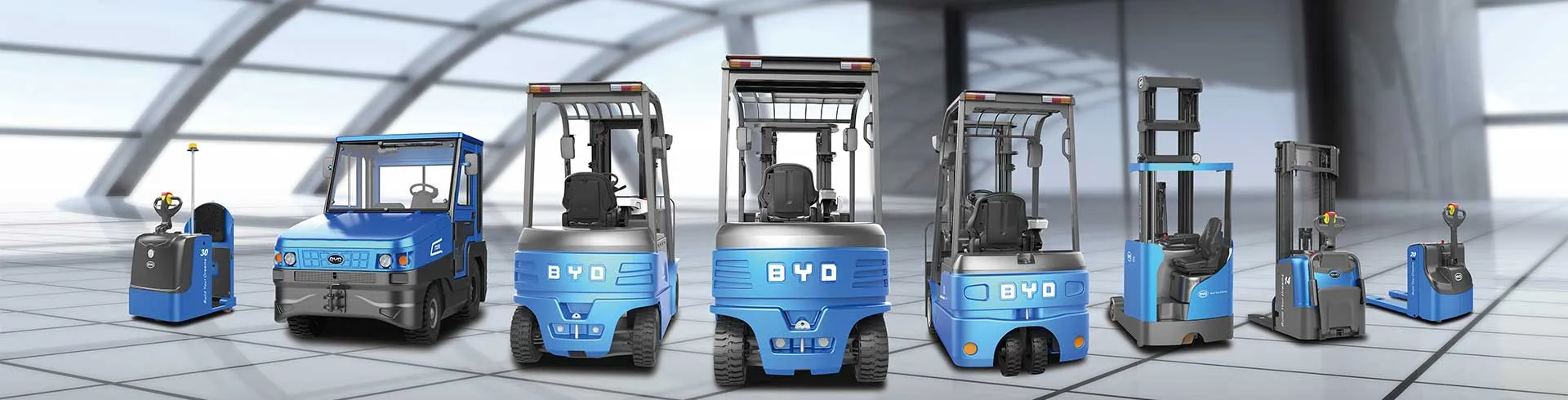
Reach-type lithium battery forklifts are currently widely used industrial handling equipment in the field of warehousing operations. They combine the spatial adaptability of forward-type forklifts with the energy advantages of lithium batteries, and can adapt to a variety of special operating scenarios. Choosing the right equipment can greatly improve the efficiency of warehousing operations.
First, we introduce common applicable scenarios.
The first type is the high-level three-dimensional storage scene. For high-rise shelf storage spaces with a floor height of more than 6 meters, the forward-moving structure of the gantry can be extended forward to pick up goods, without the need to reserve a large turning operation space like a counterweight forklift. The channel width requirement is smaller, which can improve the utilization rate of warehouse capacity. With the stable output performance of lithium batteries, it can adapt to the storage needs with a long average daily operation time.
The second type is the low-temperature storage scenario. Compared with traditional lead-acid batteries, lithium batteries have higher discharge efficiency in low-temperature environments, lower power loss, and can meet the daily operation requirements of the cold chain warehouse without frequent battery replacement. Coupled with the compact features of the forward-moving body, it can be adapted to the limited working space of the cold chain warehouse.
The third category is storage scenarios with high cleanliness requirements, such as food and medical storage spaces. Lithium batteries do not produce acid mist, leakage, etc., and the noise during operation is lower, which will not cause pollution to the stored goods, meeting relevant storage hygiene requirements.
Next, the key points of core selection are introduced.
The first step is to confirm the requirements for the height of the operation, and select the equipment corresponding to the raised parameters of the door frame in combination with the highest pickup height of the existing shelves in the warehouse, without blindly pursuing excessive raised parameters to avoid unnecessary cost waste.
Second, it is necessary to confirm the load requirements of the operation, count the maximum weight of the daily handling goods, including the weight of the pallet itself, select the rated load slightly higher than the actual maximum handling weight of the equipment, and reserve about 10% of the allowance to avoid equipment loss caused by overload operations.
Third, it is necessary to confirm the parameters of the working space, measure the width of the working channel inside the warehouse in advance, and select the minimum turning radius of the equipment to avoid the problem that the channel is too narrow to pass normally after purchase.
Fourth, it is necessary to confirm the battery life demand. If the warehouse adopts a two-shift or three-shift operation mode, lithium batteries that support fast charging or quick power change can be preferred to reduce charging waiting time and ensure operation continuity.
It is recommended that users sort out their actual operation requirements before selecting a model, and do not blindly pursue high parameters. Only equipment that is suitable for their own scenarios can maximize its value.