简体中文
简体中文 Deutsch
 日本語
日本語 한국어
한국어 Tiếng Việt
 Русский
 ไทย
ไทย Bahasa Indonesia
 Bahasa Melayu
 Filipino
 لالعربية
 Français

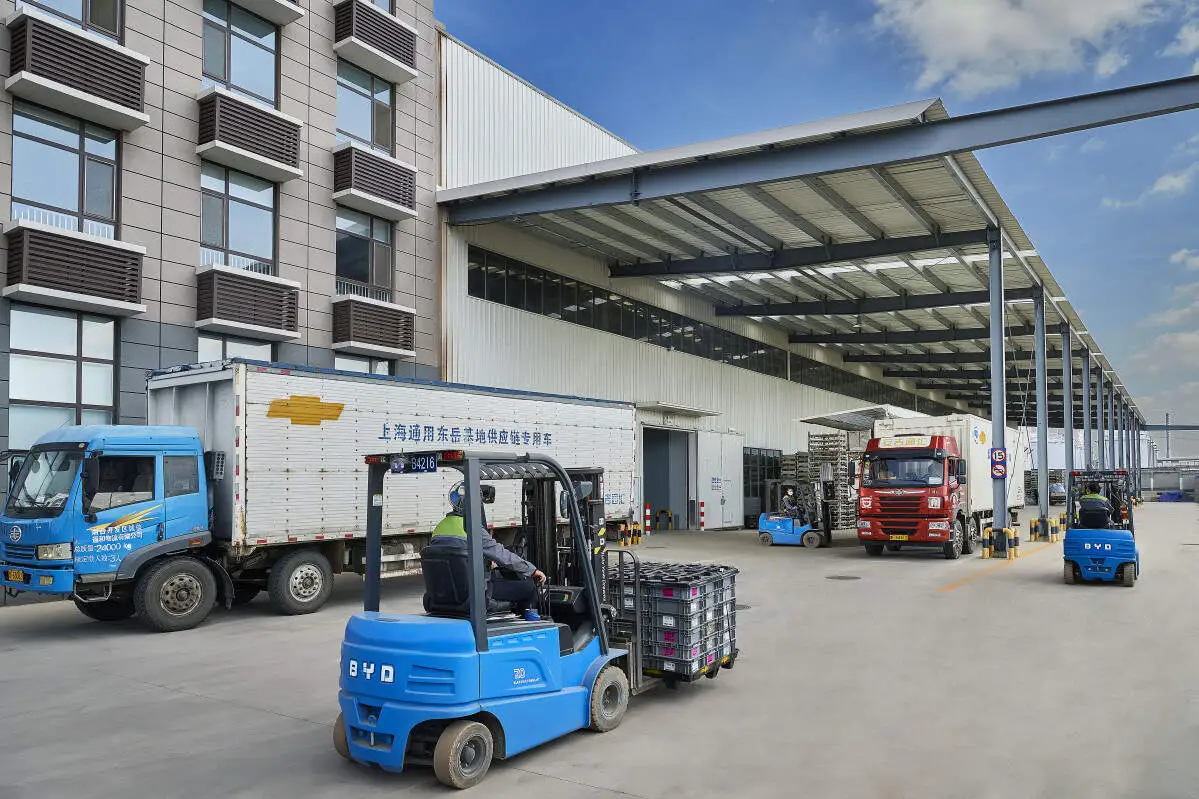
With the acceleration of the green transformation of the logistics and warehousing industry, more and more enterprises are using new energy forklifts as the first choice for purchasing operation equipment. Many purchasers have limited understanding of the characteristics of such products, and they can effectively avoid purchasing misunderstandings and buy products that suit their own needs.
Identify the core requirements of your own work
Match job scenario parameters
Before purchasing, it is necessary to sort out the core data of daily operations, including conventional cargo weight, maximum lifting height, operating channel width, etc. If the daily handling of goods is up to 2 tons, there is no need to choose a model with a load of 3 tons or more to avoid cost waste; if it is a narrow channel operation scenario, it is necessary to confirm the turning radius parameters of the required vehicle in advance to avoid normal passage after purchase.
Adapt to site conditions of use
It is also necessary to screen the models according to the actual situation of the operation site. For indoor warehousing operations, models with low noise and flexible steering can be preferred; for outdoor construction sites and station operations, chassis height, tire anti-skid performance should be considered, and potholes and slippery road environments should be adapted. For forklifts used in low temperature areas, it is also necessary to confirm whether the battery is suitable for low temperature operation scenarios to avoid significant shrinkage of battery life in winter.
The performance of core components should be focused on
Battery and battery life
Batteries are the core components of new energy forklifts. The current mainstream battery types include lead-acid batteries and lithium iron phosphate batteries. The former has a lower purchase cost, while the latter has a longer cycle life and better low temperature stability. When purchasing, it is necessary to determine whether the battery life meets the needs based on the daily continuous operation time. If there is a demand for fast charging, it is also necessary to confirm whether the vehicle supports fast charging function and matches the energy replenishment conditions in the venue.
Drive and handling performance
There are obvious differences in the application scenarios of different drive forms of forklifts. The rear-drive model has a strong bearing capacity and is suitable for heavy-duty operation scenarios; the front-drive model has more flexible steering and is suitable for indoor small space operations. You can also pay attention to whether the vehicle is equipped with safety auxiliary features such as speed limit and obstacle reminder to reduce safety hazards during operation.
The cost of subsequent use should be calculated in advance
After-sales guarantee coverage
Before purchasing, it is necessary to understand the local maintenance service coverage, confirm the response time of conventional maintenance, the replacement cost of wearing parts, and especially clarify the quality assurance period and quality assurance scope of the battery to avoid subsequent maintenance difficulties and high maintenance costs.
Long-term energy costs
In addition to the purchase cost of vehicles, it is also necessary to calculate the energy consumption cost of long-term use in advance. You can compare the power consumption per unit operating time of different models, and calculate the daily average energy consumption expenditure in combination with the local electricity price level. Don't just refer to the price of bare cars to make decisions. The difference in energy consumption costs in long-term operating scenarios will be very obvious.
By comparing and screening the above several dimensions one by one, we can choose a new energy forklift suitable for our own operational needs under the premise of controlling the procurement and use costs, and give full play to the operational efficiency advantages of such equipment.