简体中文
简体中文 Deutsch
 日本語
日本語 한국어
한국어 Tiếng Việt
 Русский
 ไทย
ไทย Bahasa Indonesia
 Bahasa Melayu
 Filipino
 لالعربية
 Français
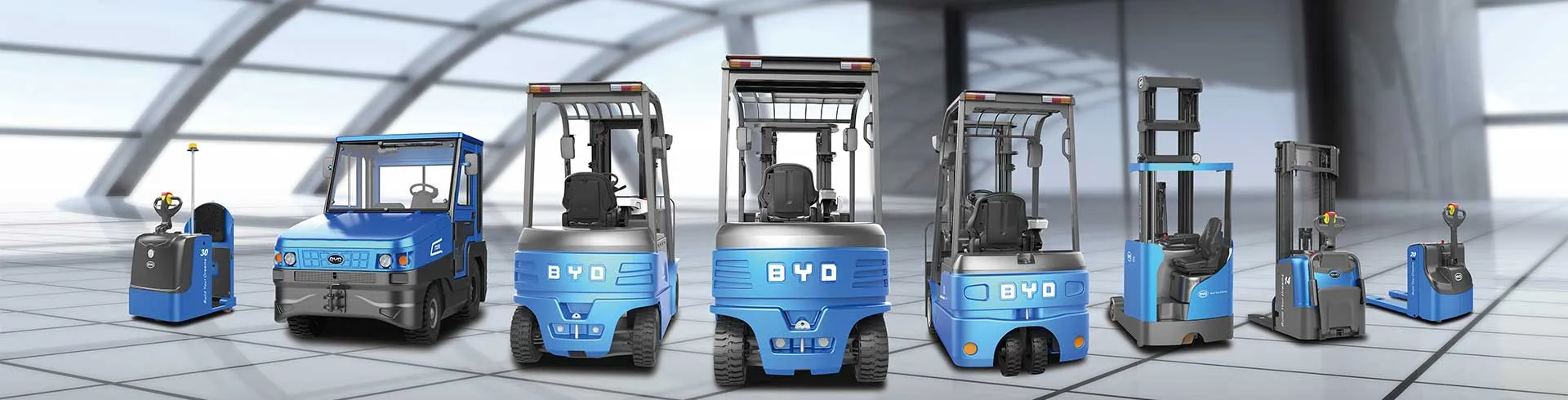
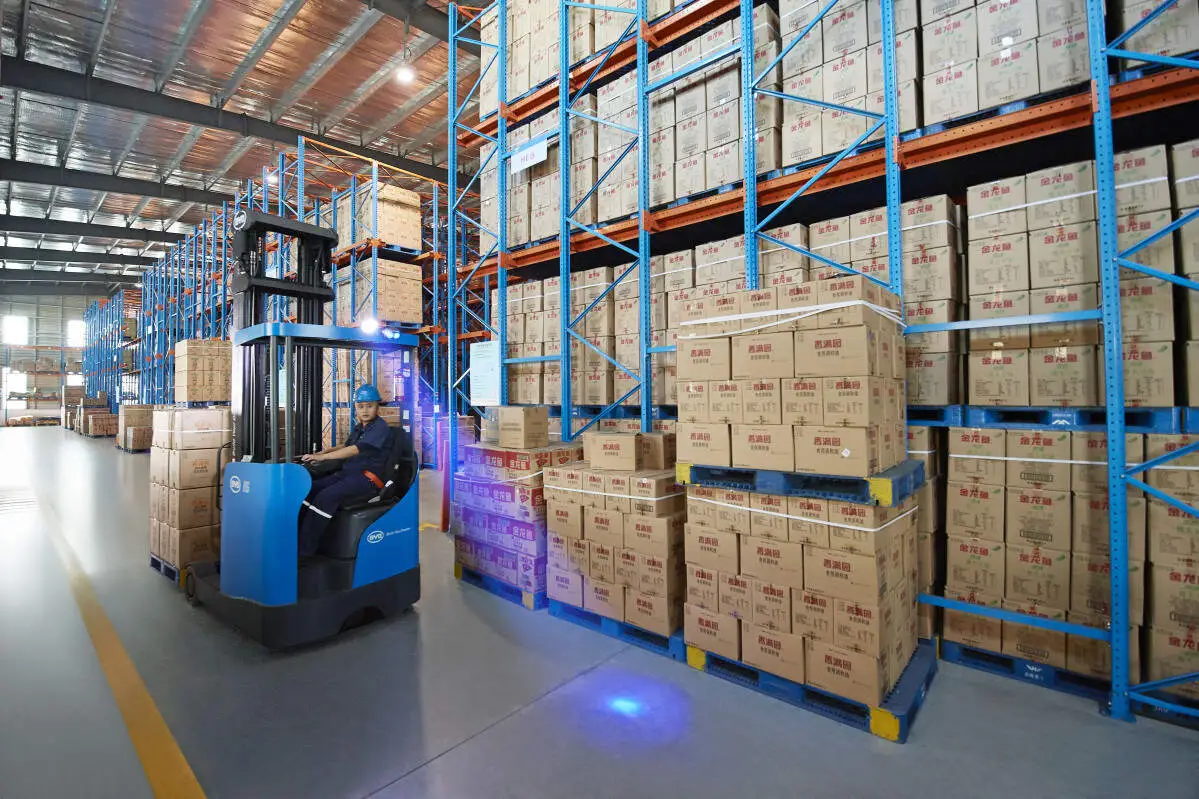
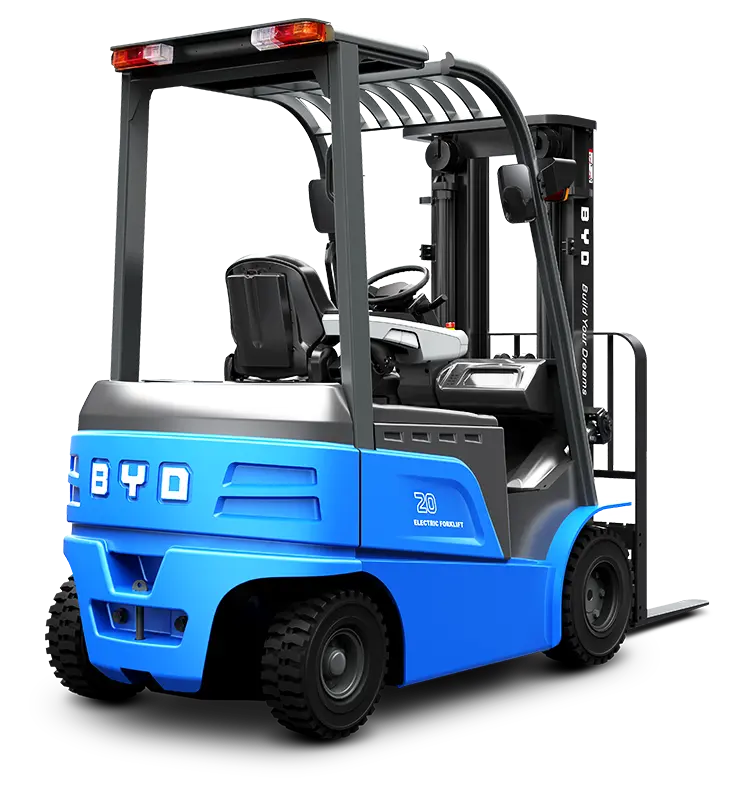
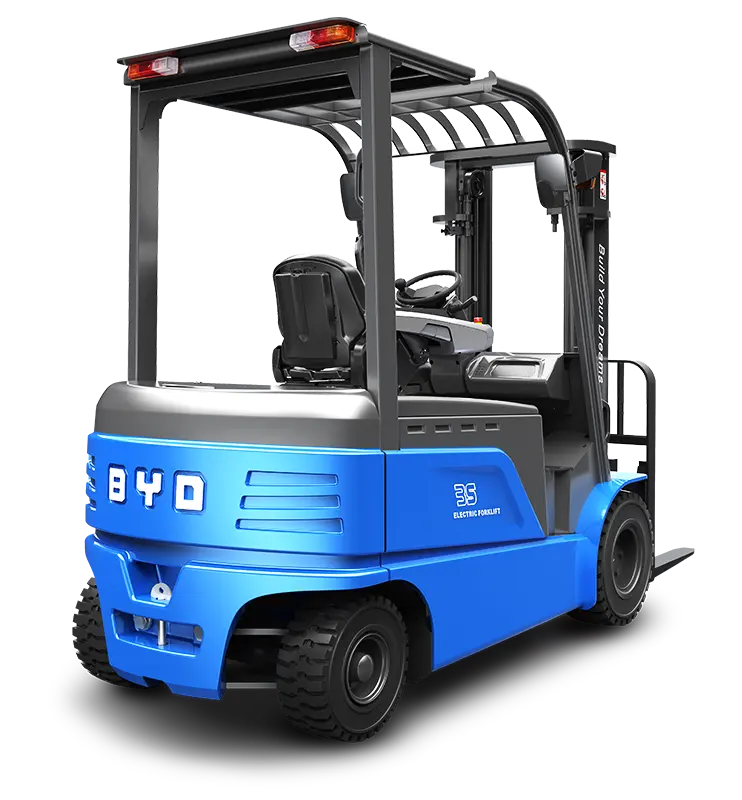
With the development of the warehousing and logistics industry, electric forklifts have become the first choice for many business entities due to their environmental protection and low noise. Many users often choose whether to choose a ride-on or walk-on electric forklift when purchasing. You can combine your actual needs and judge from four core dimensions.
First look at the job scene and job duration.
For short-distance and low-frequency operations, choose the walking type. If your operation scenarios are mainly short-haul handling within 50 meters, such as temporary transfer of goods at the loading and unloading desk, picking goods on low-level shelves, and the cumulative operation time does not exceed 3 hours per day, it is more suitable to choose a walking electric forklift. Its body is small and flexible, and the operator can stop at any time to adapt to the fragmented handling needs.
If the single handling distance is generally more than 100 meters, the warehouse area is large, and the cumulative operation time is more than 4 hours per day, it is recommended to choose a ride-on electric forklift, which can greatly reduce labor intensity and maintain stable efficiency for long-term operation.
Secondly, consider the load and lifting requirements.
Light weight and low lift demand choose walking type. The conventional load of walking electric forklifts is mostly within 2 tons, and the lifting height is mostly no more than 3 meters, which can meet the flat handling and low-level shelf access requirements of conventional lightweight goods, and can fully adapt to the daily handling needs of small warehouses and retail stores.
If the daily handling weight of goods is generally more than 2 tons, or the need to access more than 3 meters of high-rise shelf goods, it is recommended to choose a ride-on electric forklift, which has higher load-bearing structure strength, better stability during lifting, and more secure operation safety.
Look at the site conditions and channel width.
If the width of the channel in your working area is less than 2 meters, or there are more narrow corners and restricted working spaces, the steering radius of the walking electric forklift is smaller, allowing it to move around in a small space without getting stuck or difficult to steer.
Open field operations choose the ride-on type. If the work site is open and the channel width is more than 2.5 meters, the ride-on electric forklift will travel faster, with higher handling turnover efficiency, and adapt to high-frequency transshipment requirements in a large space.
Finally, consider the budget and long-term operation and maintenance costs.
Walk-up type is a low-budget option. The procurement cost of a walk-up electric forklift is lower, the overall structure is relatively simple, and the cost of follow-up daily maintenance is also lower. It is suitable for business entities with limited budgets and low operational requirements.
Pay attention to long-term efficiency and choose the ride-on type. If the budget is sufficient and long-term operation efficiency is more important, the ride-on electric forklift can handle more per unit time, and the comprehensive cost performance for long-term use is higher. It is more suitable for medium and large warehousing and batch transshipment scenarios.
Everyone can sort out their actual working conditions before purchasing, and don't blindly pursue high parameters. Products that adapt to their own needs are the most suitable.