简体中文
简体中文 Deutsch
 日本語
日本語 한국어
한국어 Tiếng Việt
 Русский
 ไทย
ไทย Bahasa Indonesia
 Bahasa Melayu
 Filipino
 لالعربية
 Français
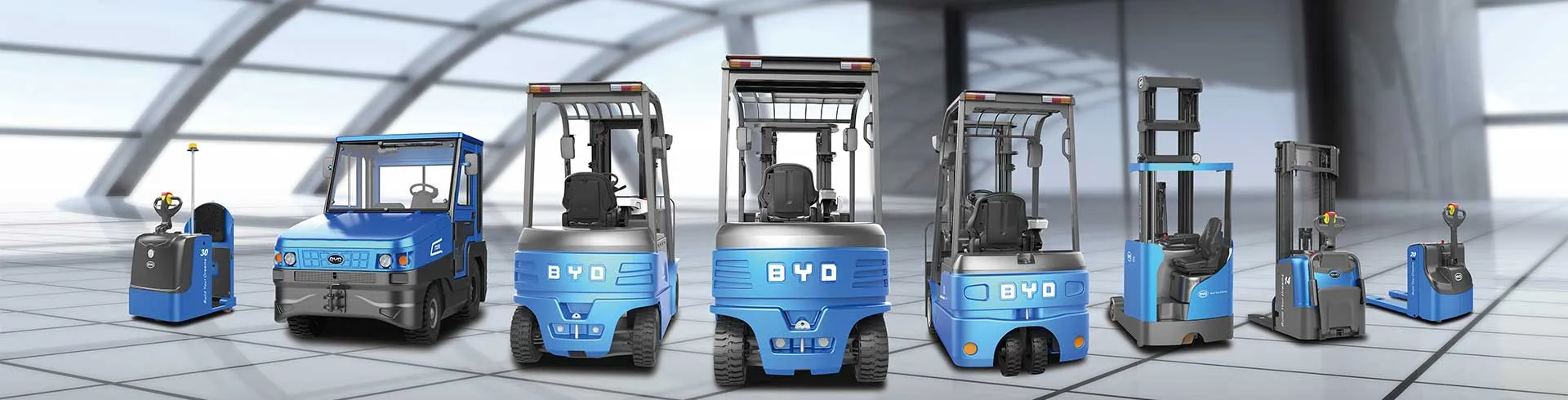
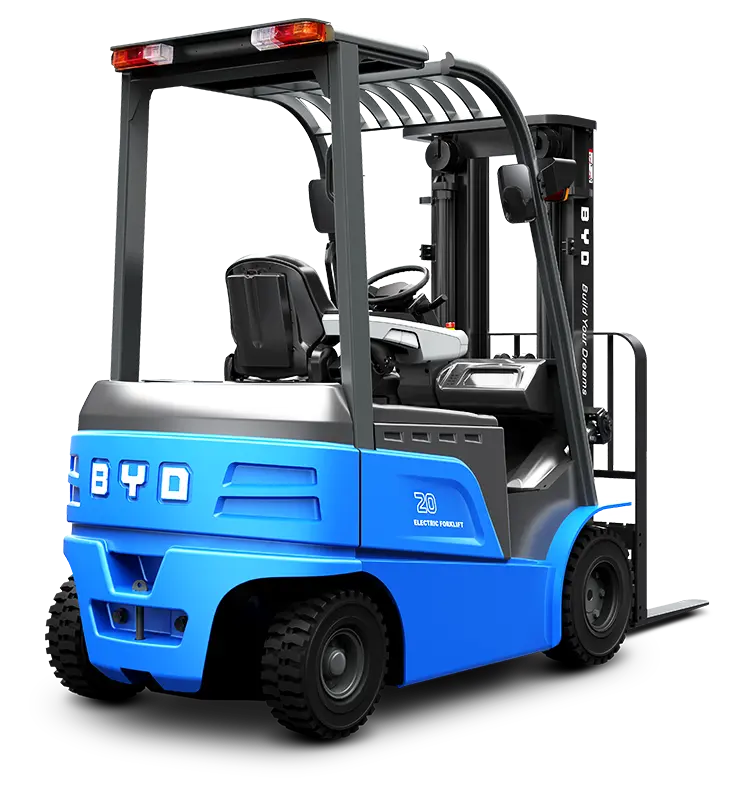
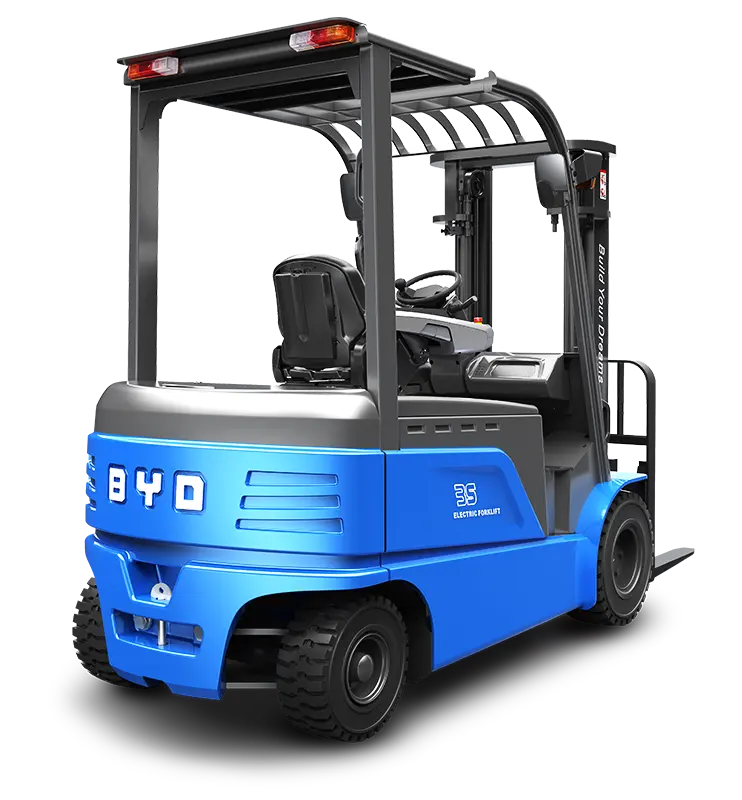
With the development of the warehousing and logistics industry, electric lithium-ion forklifts have become the preferred equipment for many enterprises for handling operations due to their advantages such as good environmental protection, stable battery life, and low maintenance costs. Many purchasers will find that the price of the same type of electric lithium-ion forklifts varies greatly when selecting. The core reason is that the configuration is different. Understanding the common configuration differences can help you choose the appropriate equipment more accurately.
Powertrain configuration differences
Battery capacity is the core difference point of the power system, and the continuous operation time corresponding to batteries of different capacities is obviously different. If the daily operation intensity of the enterprise is high, the single transfer distance is long, and there are many heavy load scenarios, it is recommended to choose a battery configuration with higher capacity; if it is only short-distance and low-frequency light load transfer, the conventional capacity battery can meet the use demand and control the procurement cost. Different levels of batteries have obvious differences in cycle life, low temperature adaptability, and charge and discharge stability. If you need to operate in low temperature environments such as cold storage and outdoor in northern winter, you should choose a battery configuration suitable for low temperature scenarios to avoid the problems of battery life diving and failure to start.
Load and chassis configuration differences
Different configurations of electric lithium forklifts have a large rated load span, so there is no need to blindly choose a high-load configuration when purchasing, as long as it matches the average weight and peak weight of daily handling goods. Excessive load will cause unnecessary cost waste, and insufficient load will easily lead to safety hazards. The ground clearance and tire type of the chassis are also common configuration differences. If the road surface in the operation area is uneven and there are more ramps, it is recommended to choose a configuration with higher ground clearance and solid tires to improve traffic capacity. If it is a flat warehouse indoor operation, choose the configuration of conventional ground clearance and pneumatic tires, which has better shock absorption effect and can also reduce operation noise.
Control and security configuration differences
Some configuration forklifts will be equipped with steering power, stepless speed regulation and other functions. For operators who work for a long time every day, this configuration can effectively reduce labor intensity and improve work efficiency; if it is used at low frequency, ordinary control configuration can meet the needs. The safety configuration of different forklifts is also more obvious. Common optional configurations include reversing reminders, emergency stop devices, anti-rollover systems, etc. If the operation area is crowded and the accuracy of cargo handling is high, it is recommended to choose a model with more comprehensive safety configuration.
When purchasing an electric lithium forklift, don't just compare the price, but also compare the suitability of various configurations based on your own operating scenarios, usage frequency, and budget range, so that you can choose the most cost-effective equipment.