简体中文
简体中文 Deutsch
 日本語
日本語 한국어
한국어 Tiếng Việt
 Русский
 ไทย
ไทย Bahasa Indonesia
 Bahasa Melayu
 Filipino
 لالعربية
 Français
load adaptation scenario difference
Load adaptation scenario of 1.5-ton lithium battery forklift
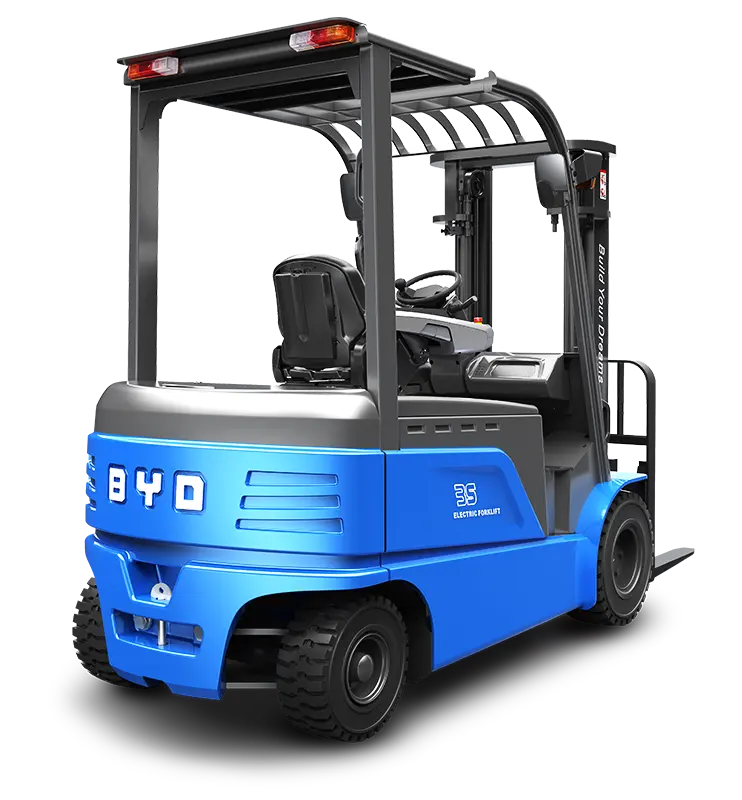
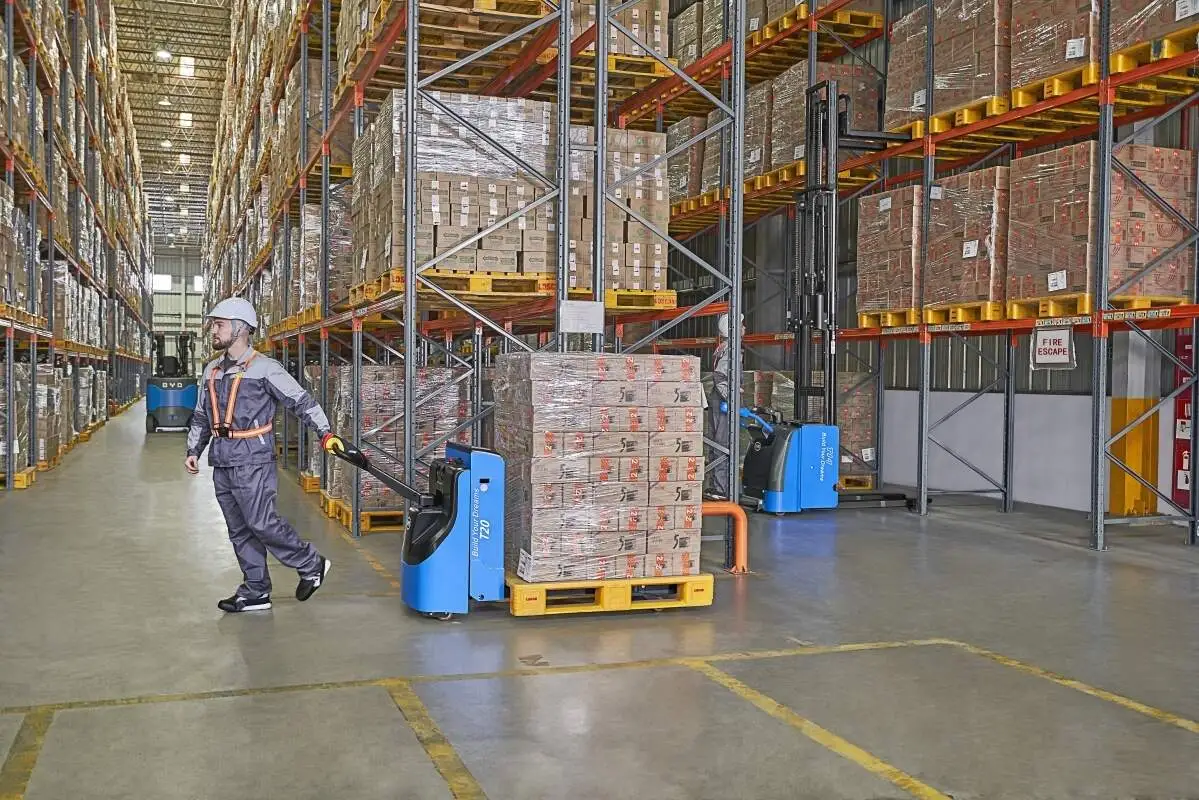
This type of equipment is suitable for lightweight operation scenarios with a single cargo weight of less than 1.2 tons, such as the loading and unloading of fast-moving consumer goods in e-commerce warehouses, the collection of small pieces in express distribution centers, and the transshipment of goods in community distribution outlets. The daily operating load will not touch the upper limit of the equipment, the operating energy consumption is lower, and the operating cost is controllable.
Load adaptation scenario of 2-ton lithium battery forklift
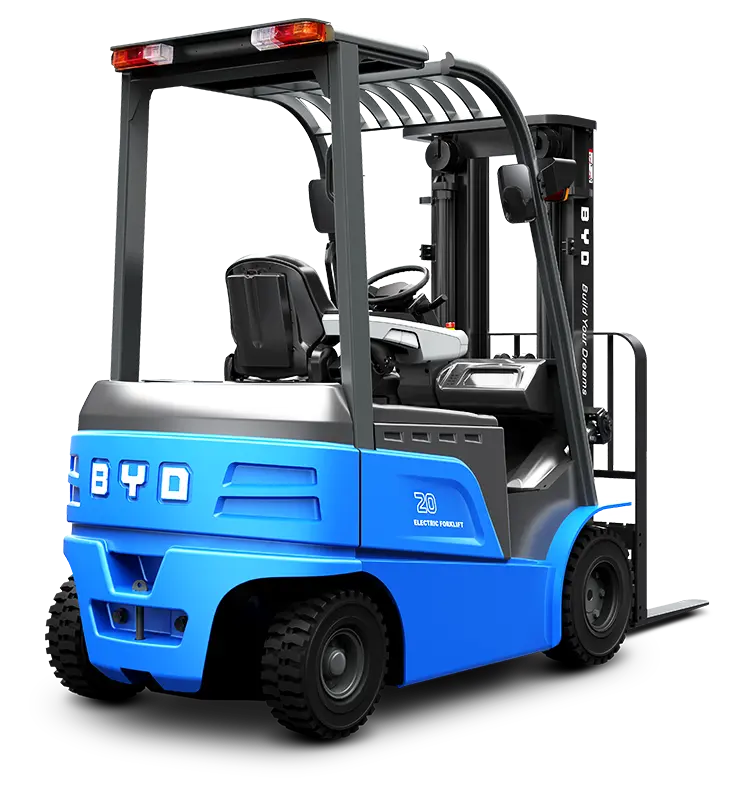
This type of equipment is suitable for medium and heavy-duty operation scenarios with a single cargo weight of 1.5 to 1.8 tons, such as material transfer in manufacturing parts warehouses, plate and hardware loading and unloading in the building materials market, and the turnover of frozen products in cold chain warehouses. Sufficient load surplus can handle occasional overweight conditions and avoid equipment overload losses.
Workspace fit differences
Space adaptability of a 1.5-ton lithium battery forklift
This type of equipment has a smaller body and a shorter turning radius, making it suitable for small and medium-sized warehouses and old warehouses with a channel width of 2.8 meters to 3 meters. It is also suitable for scenarios that require cross-floor transshipment. With a lower weight, it can be adapted to most civilian freight elevators. When operating in narrow alleys, the steering is flexible, and it is not easy to bump shelves and goods.
Space adaptability of a 2-ton lithium battery forklift
This type of equipment has a slightly larger body size and a longer wheelbase, making it suitable for standardized new warehouses, open-air freight yards, and factory road operations with a channel width of more than 3.2 meters. With sufficient working space, it is more stable to carry heavy loads, and there is no risk of rolling. The operating safety factor is higher.
Job intensity adaptation difference
Working intensity adaptation of 1.5-ton lithium battery forklift
This type of equipment is suitable for low-frequency operating scenarios with an average daily operating time of 4 to 6 hours, such as the daily purchase and unloading of small businesses, the transfer of materials in the office area, and the battery life can fully meet the needs of the operation, and the procurement cost is relatively low.
Working intensity adaptation of 2-ton lithium battery forklift
This type of equipment is suitable for high-frequency operation scenarios with an average daily operating time of more than 8 hours, such as all-day sorting and transshipment in large e-commerce warehouses, continuous loading and unloading operations in port freight yards, higher motor power, better stability for long-term high-load operations, larger battery capacity, and no need for frequent charging, ensuring continuous operation efficiency.
When selecting a model, users can consider the three dimensions of their own cargo weight, operating space, and operating frequency, without blindly pursuing a larger load. Only equipment that is suitable for their actual scenarios can maximize its use value.