简体中文
简体中文 Deutsch
 日本語
日本語 한국어
한국어 Tiếng Việt
 Русский
 ไทย
ไทย Bahasa Indonesia
 Bahasa Melayu
 Filipino
 لالعربية
 Français
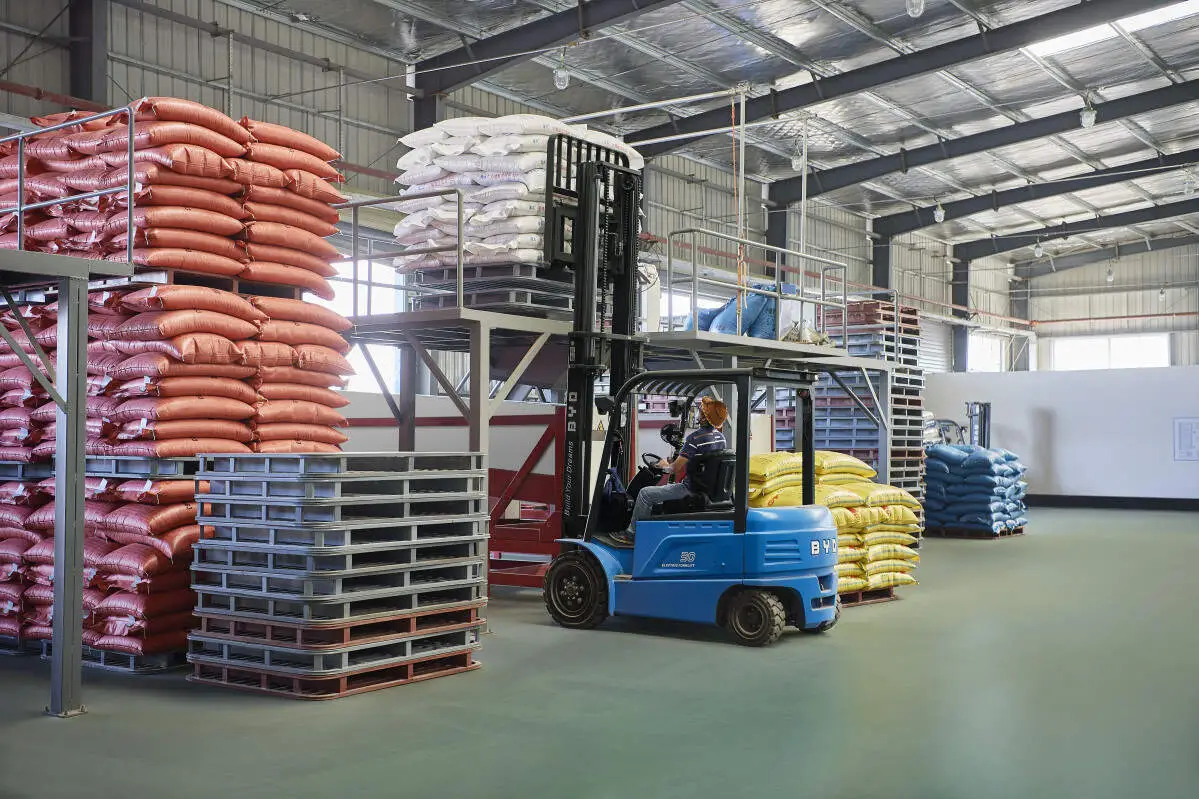
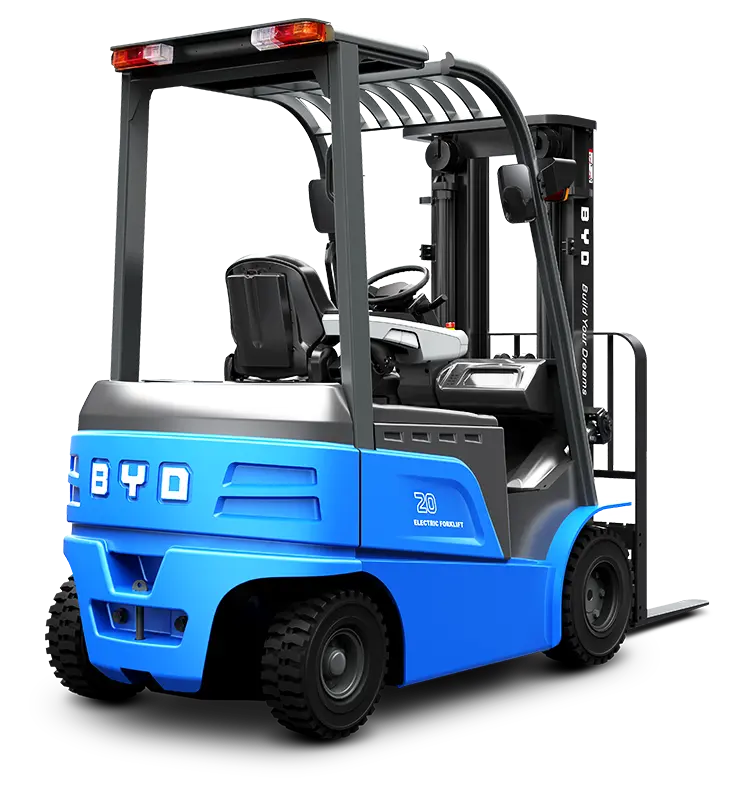
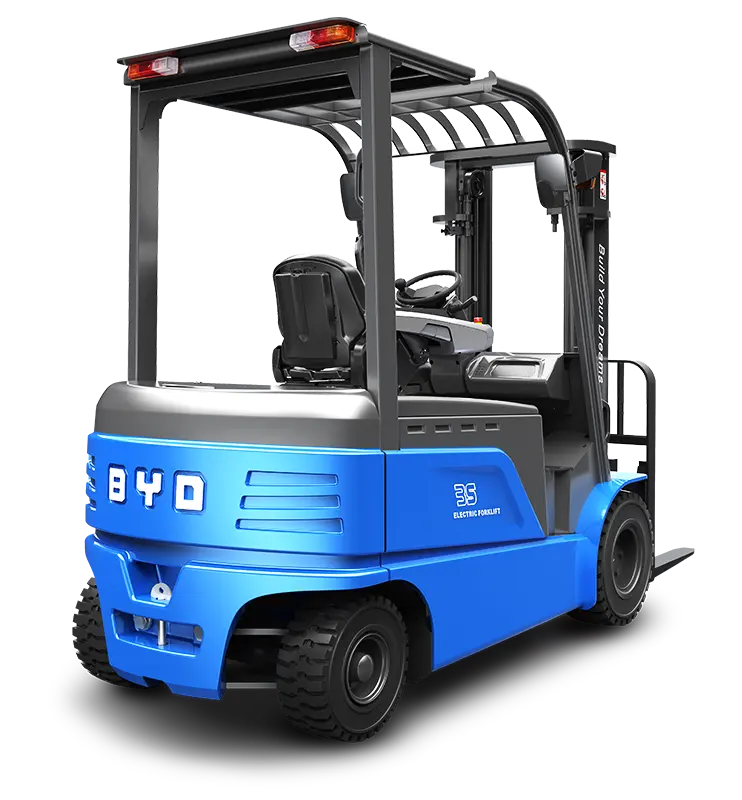
The efficiency improvement of warehousing operations is highly correlated with the adaptability of handling equipment. Lithium-ion forklifts have become the preferred handling equipment for many warehousing scenarios due to their environmental protection, low energy consumption, and easy maintenance. When selecting models, it is necessary to consider their actual needs from multiple dimensions to avoid the problem of insufficient equipment adaptability.
Job scene adaptability is the first core factor to be considered in selection.
Load and lift requirements are the basic prerequisites for scene adaptation. Before selecting a model, we must first sort out the average weight, peak weight, and conventional lifting height requirements of the goods handled daily in the warehouse to ensure that the rated load and maximum lifting height of the forklift can cover the highest demand of daily operations, and avoid insufficient power affecting operation efficiency, or unnecessary cost waste caused by redundant parameters.
Work space adaptation is an important guarantee for flexible operation. To measure the width of the working channel inside the warehouse, the reserved space in the turning area, and the traffic gap between the shelves in advance, select the lithium electric forklift with the corresponding body size and turning radius according to the space size to ensure that the equipment can travel flexibly in the warehouse without additional adjustments to the existing warehouse layout.
Lithium battery performance adaptation requirements are directly related to the operating stability of the equipment.
The matching of battery life should be in line with the actual operation rhythm. The lithium battery forklift with the corresponding battery capacity should be selected according to the operation shift and single-day operation time of the warehouse. If it is a multi-shift operation scenario, the model that supports quick battery change can be preferred to avoid the charging gap delaying the operation progress.
Environmental tolerance should be adapted to special storage scenarios. If the storage scenario involves cold storage, humid storage areas, or environments with special protection requirements, choose a lithium battery forklift with the corresponding protection level to ensure that the battery and body parts can operate stably and reduce the probability of equipment failure.
Long-term operation and maintenance and cost control are follow-up factors that cannot be ignored in model selection. When selecting a model, you should not only pay attention to the procurement cost, but also understand the follow-up maintenance process, the convenience of purchasing wearing parts, and the quality assurance cycle and recycling policy of the battery. Calculate the use cost of the whole life cycle, and choose a more comprehensive cost-effective model. In addition, it is also necessary to confirm that you can get timely maintenance service support to avoid equipment failures affecting the normal operation of warehousing.