简体中文
简体中文 Deutsch
 日本語
日本語 한국어
한국어 Tiếng Việt
 Русский
 ไทย
ไทย Bahasa Indonesia
 Bahasa Melayu
 Filipino
 لالعربية
 Français
Clarify core job parameters
Load matches lift height
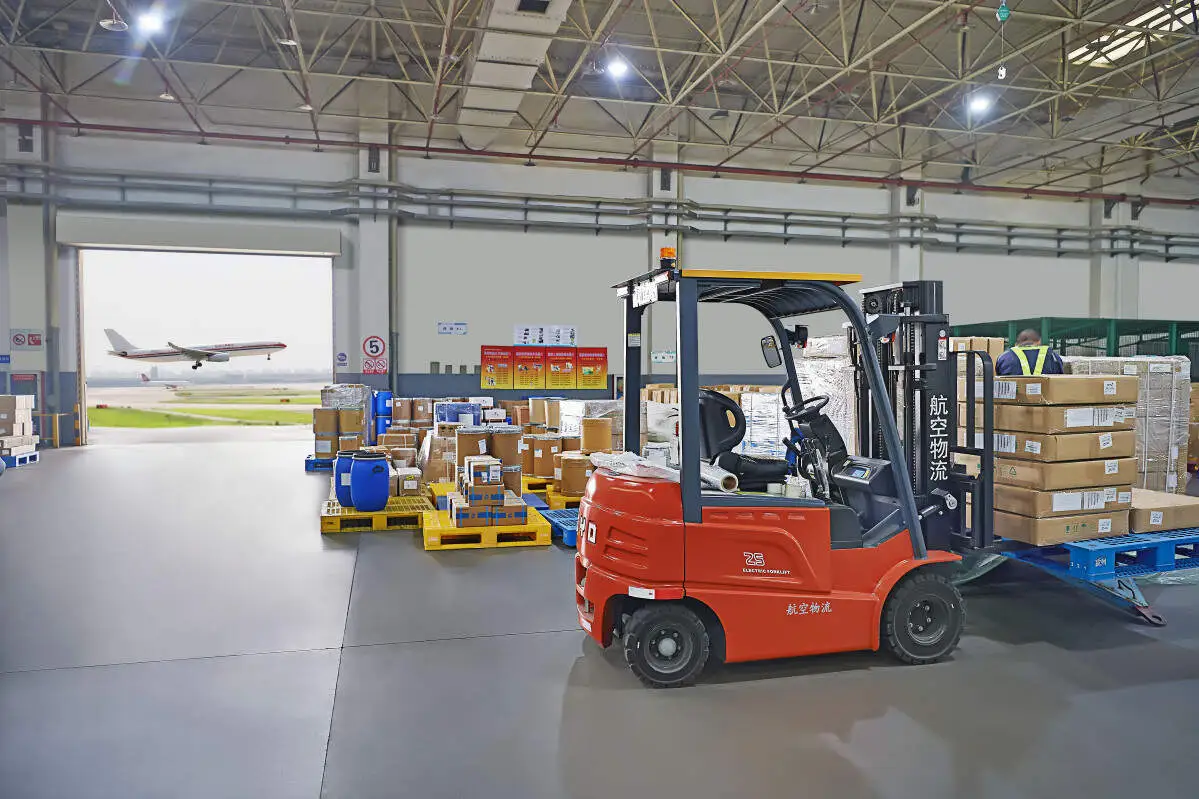
The first thing to confirm when selecting a model is the actual load demand. When calculating, it is necessary to include the total weight of the goods, pallets and additional tooling. At the same time, it is necessary to take into account the temporary load demand during the peak of the operation. Avoid choosing a model whose rated load just fits the daily average to prevent long-term overload operations from shortening the service life of the equipment. The lifting height should correspond to the maximum access height of the warehouse shelf, and reserve a safety margin of 15 to 20 cm. At the same time, confirm that the clear height of the working area can meet the space requirements when the goods are lifted to the highest position, and avoid the risk of top collision with pipelines and fire protection facilities.
Job channel parameter adaptation
It is also necessary to measure the width of the working channel in advance. Models with different steering modes have different requirements for channel width. If the channel space is relatively narrow, more flexible models can be selected first to avoid traffic and steering difficulties in subsequent operations, and there is no need to adjust the warehouse layout to generate additional costs.
Job scene adaptation selection
Special working condition adaptation
If the operation scene is a special environment such as a cold storage or a clean workshop, choose a model with a corresponding protection level to meet the requirements of low temperature, dust-free and other scenarios. If the operation area is dominated by epoxy floors, choose a tire style with a softer texture, no scratches on the floor, and no debris. If it involves outdoor operations, choose a model with a higher dust and waterproof level and a chassis that is highly suitable for the flatness of the road surface to avoid equipment failures caused by rainy days and uneven road surfaces.
Operation frequency and battery life match
It is necessary to choose the corresponding battery life model according to the single-day operation time and operation frequency. If it is a multi-shift continuous operation, you can choose a style that supports quick power change, and match it with a spare battery to achieve uninterrupted operation. If the single-day operation time is short, choose a model with basic battery life, and there is no need to pay additional costs for excess battery life configuration.
Life Cycle Cost Considerations
When selecting a model, don't just focus on the initial purchase price, but also consider factors such as subsequent maintenance costs, energy consumption levels, and accessory versatility. Choose a model that is convenient to maintain and meets expectations in terms of energy consumption, thus reducing long-term operating costs.