简体中文
简体中文 Deutsch
 日本語
日本語 한국어
한국어 Tiếng Việt
 Русский
 ไทย
ไทย Bahasa Indonesia
 Bahasa Melayu
 Filipino
 لالعربية
 Français

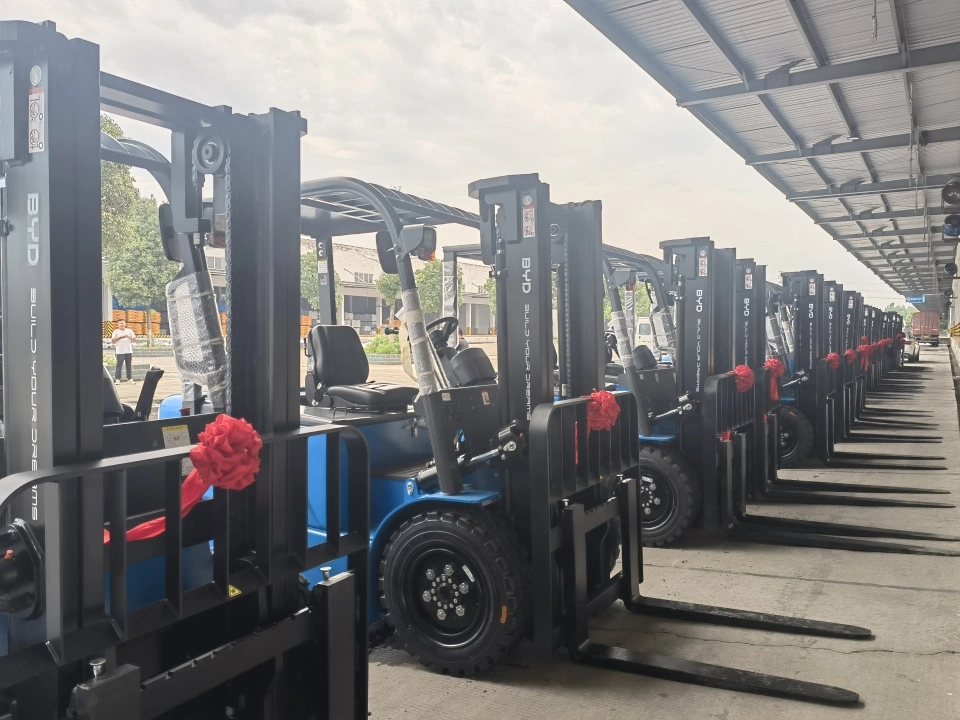
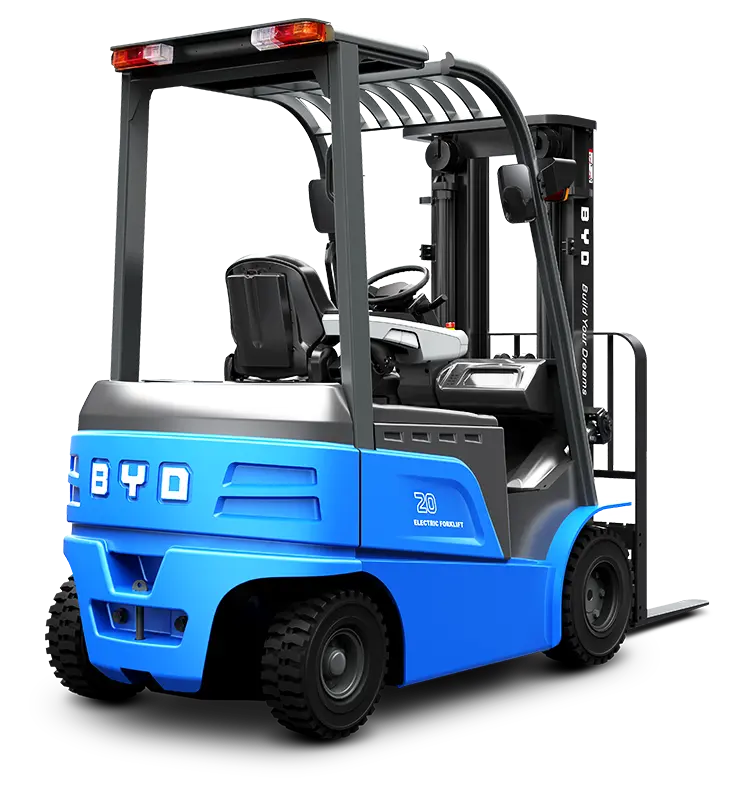
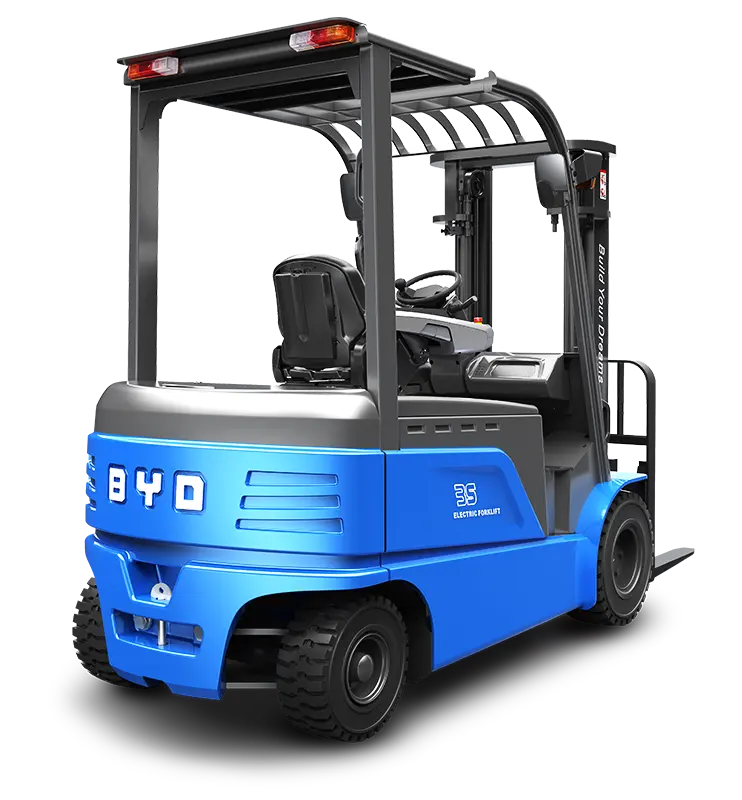
With the advancement of green transformation in warehousing, logistics and manufacturing, new energy forklifts have become the first choice for many business entities due to their advantages of low operation and maintenance costs, zero emissions, and low noise. Many users tend to focus only on price when purchasing, ignoring the adaptability of core configurations, resulting in poor subsequent use experience. It is recommended that you focus on the following types of configurations.
Power energy storage system
Battery type
The current mainstream new energy forklift batteries are divided into two categories: lithium iron phosphate batteries and lead-acid batteries. The former has a longer cycle life, higher charging and discharging efficiency, and is suitable for scenarios with an average daily operating time of more than 6 hours and high usage frequency. The latter has lower procurement costs and is suitable for scenarios with average daily operating hours and low usage frequency. You can choose according to your own usage frequency.
Battery capacity
The battery capacity directly determines the battery life. When purchasing, do not blindly pursue large capacity. It should be judged in combination with the average daily operating hours and the charging conditions of the site. If the site can be replenished at any time, choose the capacity suitable for daily basic needs to avoid unnecessary cost waste. If there is no condition for replenishment at any time, 10% to 20% of the capacity can be appropriately reserved for redundancy.
Power Drive System
Motor parameters
The rated power and peak power of the motor directly determine the load capacity and climbing ability of the forklift. For users who often carry full loads of goods and have ramps in the working area, it is recommended to choose a motor with higher power redundancy to avoid insufficient power during operation. Long-term overload will also reduce the service life of the motor.
Drive form
At present, the common driving forms of new energy forklifts include front-wheel drive, rear-wheel drive, and four-wheel drive. Users who only operate on indoor pavement can choose the front-wheel drive to meet their needs; users who often operate on non-flat pavement outdoors and carry heavy-duty goods can choose rear-wheel drive or four-wheel drive for greater driving stability.
Security configuration
Basic safety protection is a must. When purchasing, it is necessary to confirm whether the vehicle has overcharge and overdischarge protection, short circuit protection, and automatic braking functions for power failure to avoid potential safety hazards during operation. If there are special operation requirements, such as in cold chain and high dust scenes, it is necessary to confirm the dust and waterproof level of the vehicle to adapt to the scene requirements; users who often work in narrow spaces can give priority to models with obstacle avoidance sensing and blind zone warning functions to reduce the probability of scratches.
When purchasing a new energy forklift, you don't need to pursue high-end configuration blindly. By considering the above-mentioned core configuration in combination with your own operating scenarios, usage frequency, and budget, you can basically choose products with high adaptability and long-term cost-effectiveness.