
 简体中文
简体中文 Deutsch
 日本語
日本語 한국어
한국어 Tiếng Việt
 Русский
 ไทย
ไทย Bahasa Indonesia
 Bahasa Melayu
 Filipino
 لالعربية
 Français
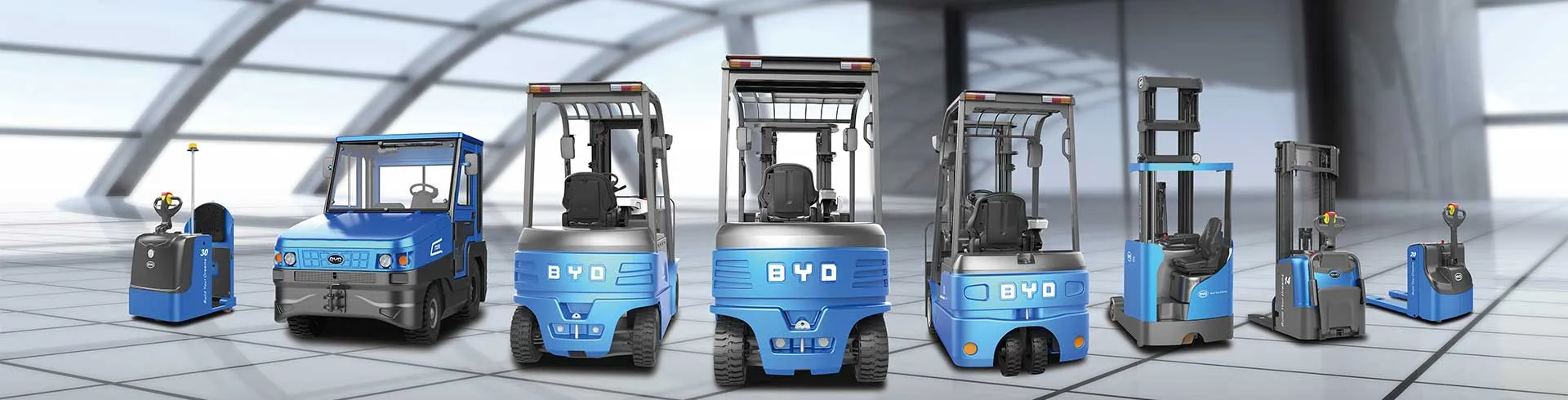
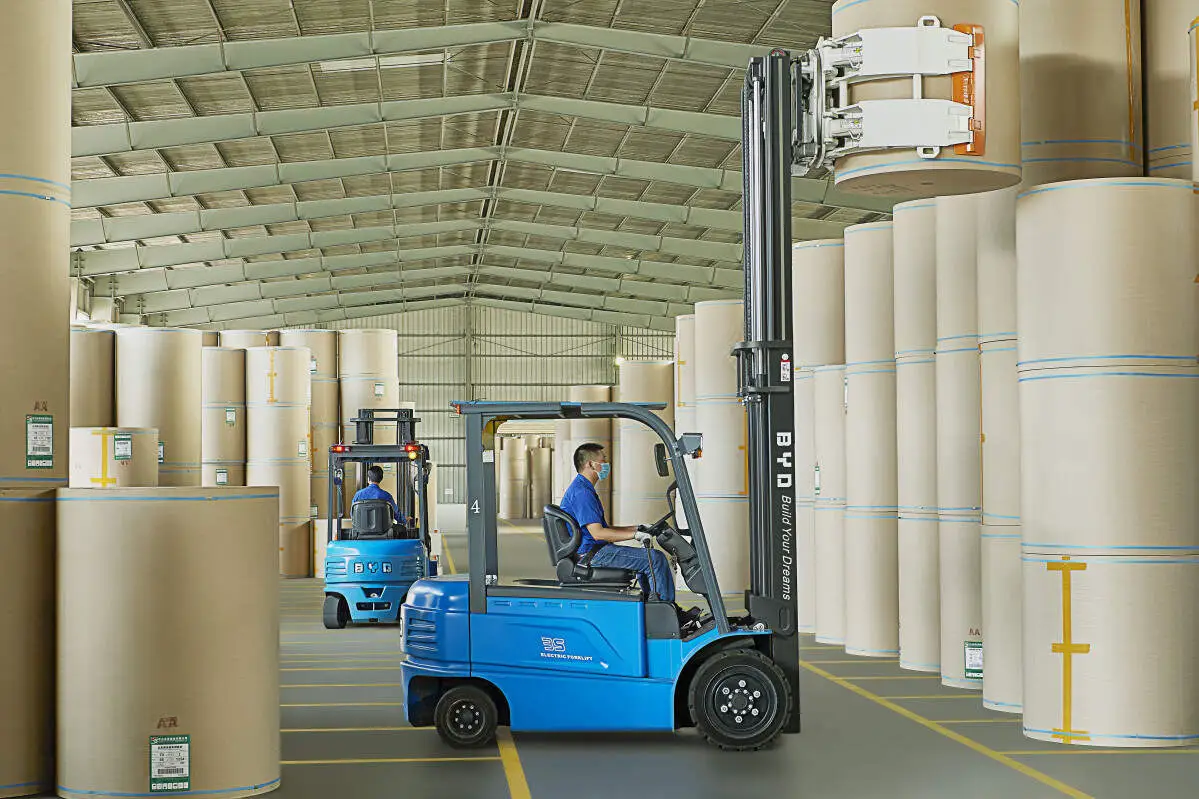
In heavy-duty operation scenarios such as industrial logistics and port loading and unloading, large-tonnage forklifts are the core equipment to improve operation efficiency, and their operating costs directly affect the profitability of enterprises. In-depth analysis of the operating costs of large-tonnage lithium-ion forklifts can help enterprises find a reasonable direction to reduce costs and achieve efficiency goals.
Optimization space for energy consumption costs
Compared with traditional power forklifts, large-tonnage lithium-ion forklifts have obvious advantages in energy consumption costs. Lithium-ion forklifts are powered by electric energy, and the stability of electricity prices is much higher than that of fuel prices, and the cost of electricity consumption per unit of operation is lower. In the scenario of long-term continuous operation, the energy consumption of lithium-ion forklifts can be reduced by about 30%. At the same time, the acquisition channels of electricity are more flexible, and the low electricity price can be used to further reduce costs.
The potential for reducing maintenance costs
The maintenance cost of large-tonnage lithium-ion forklifts is much lower than that of traditional power models. Traditional forklifts require regular replacement of oil, filter elements and other components, as well as frequent maintenance of core components such as engines. However, the power system structure of lithium-ion forklifts is simpler, without complex fuel lines and engine components. Daily maintenance only requires routine inspections of batteries, motors, etc., and the maintenance frequency and cost are greatly reduced. In addition, the braking system, hydraulic system and other components of lithium-ion forklifts wear out more slowly, further reducing the expenditure on maintenance and replacement.
Service life and residual value benefits
The overall service life of large-tonnage lithium-ion forklifts is longer, the number of battery cycles can reach thousands of times, and it can be used stably for many years under reasonable maintenance. The engine components of traditional power forklifts are prone to aging and have a relatively short service life. In terms of equipment residual value, the core components of lithium-ion forklifts, batteries and motors, have higher residual value rates. Even after many years of use, certain benefits can still be obtained through ladder utilization, further reducing the cost of the whole life cycle.
Comprehensive cost reduction and efficiency increase strategy
To maximize the cost advantage of large-tonnage lithium-ion forklifts, enterprises need to start from various aspects. First, plan the use time of the equipment reasonably according to the operation scenario, and use the low electricity price to charge to reduce energy consumption costs; secondly, establish a standardized maintenance system, regularly check and maintain the battery, motor and other components to prolong the service life of the equipment; finally, by optimizing the operation process, improve the efficiency of the forklift, reduce the no-load running time, and further reduce the operating cost.


