
 简体中文
简体中文 Deutsch
 日本語
日本語 한국어
한국어 Tiếng Việt
 Русский
 ไทย
ไทย Bahasa Indonesia
 Bahasa Melayu
 Filipino
 لالعربية
 Français
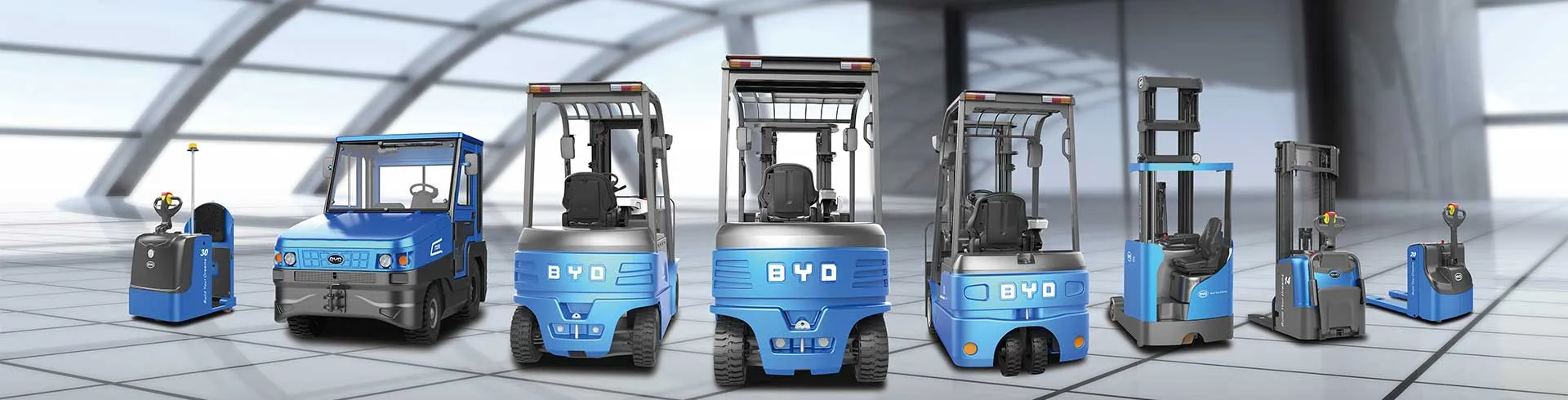
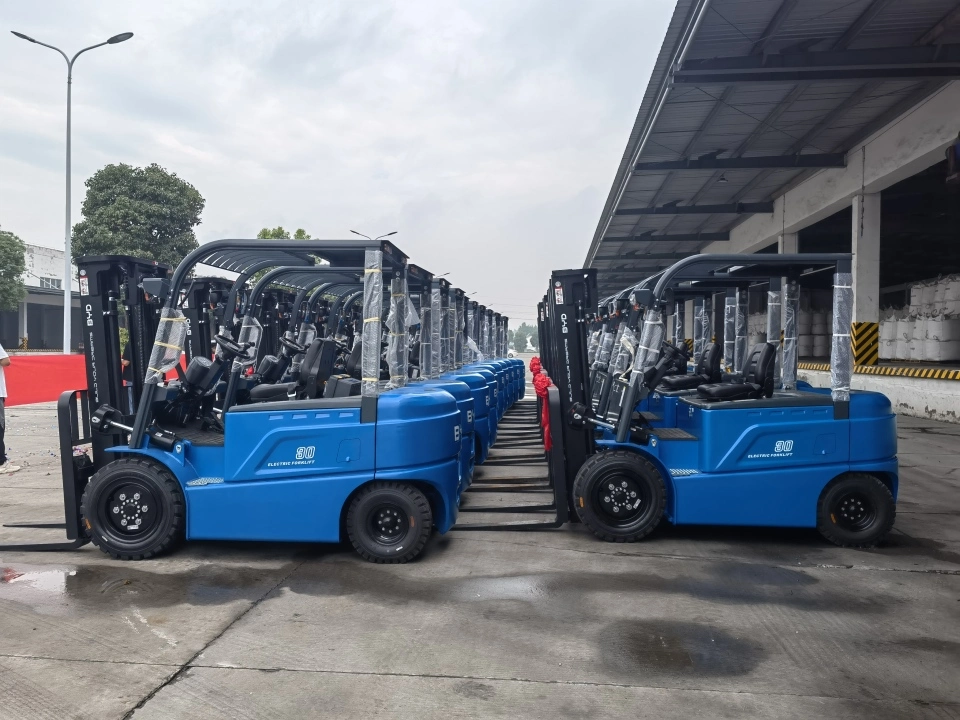
In the field of industrial logistics, electric forklifts have become an industry trend to replace internal combustion forklifts. This change is not only due to environmental protection needs, but also closely related to the advantages of long-term use costs. As a mainstream electric forklift category, the long-term use cost performance of CPD series electric forklifts is worthy of in-depth discussion.
Energy costs: significant differences between electric and internal combustion
In daily operations, internal combustion forklifts rely on fuel to drive, and the current fuel price fluctuates greatly, and the fuel consumption cost per unit of operation is relatively high. The CPD series electric forklifts use electricity as energy, and the electricity expenditure per unit of operation is only about one-third of the fuel cost. Over time, the gap in energy consumption costs will continue to widen. At the same time, the energy consumption performance of electric forklifts is more stable, and it is not affected by external factors such as international oil prices and fuel supply, allowing enterprises to plan operating costs more accurately.
Maintenance costs: Lightweight maintenance of electric forklifts
In terms of core components, the engine, gearbox and other complex mechanical structures of internal combustion forklifts require regular replacement of oil and filter elements, and are prone to failure due to wear and tear, resulting in higher single maintenance costs. The core of the CPD series electric forklift is the battery and motor, with a relatively simple structure. Daily maintenance only requires regular inspection of battery status, cleaning of circuit interfaces, and fastening of connecting components. There is no need to replace consumables frequently, and maintenance costs are greatly reduced.
In terms of maintenance frequency, the maintenance cycle of internal combustion forklifts is relatively short, usually a comprehensive maintenance is required every quarter, and each maintenance takes a long time, which will occupy the working time of the forklift and bring certain downtime losses. The maintenance cycle of CPD series electric forklifts can be extended to half a year or even longer, and the maintenance operation is simple and time-consuming, which can effectively reduce the impact of downtime on operations.
Residual value and life cycle: the embodiment of long-term value
From the perspective of equipment life cycle, the mechanical structure of CPD series electric forklifts is simpler, the failure rate is low, and the service life is usually 2-3 years longer than that of internal combustion forklifts. At the same time, the core component battery of electric forklifts can be used for several years under reasonable maintenance, and the residual value rate when second-hand transfer is higher. However, due to the long-term loss of the engine, the performance of internal combustion forklifts will decline significantly in the later stage, and the residual value will decrease rapidly, further widening the long-term cost gap.
Overall, although CPD series electric forklifts may be slightly higher than internal combustion forklifts in the procurement stage, their total cost advantages are significant in terms of energy consumption, maintenance, and residual value for long-term use. When selecting logistics equipment, enterprises should comprehensively evaluate long-term costs in light of their own operational needs and make more economical selection decisions.


