
 简体中文
简体中文 Deutsch
 日本語
日本語 한국어
한국어 Tiếng Việt
 Русский
 ไทย
ไทย Bahasa Indonesia
 Bahasa Melayu
 Filipino
 لالعربية
 Français
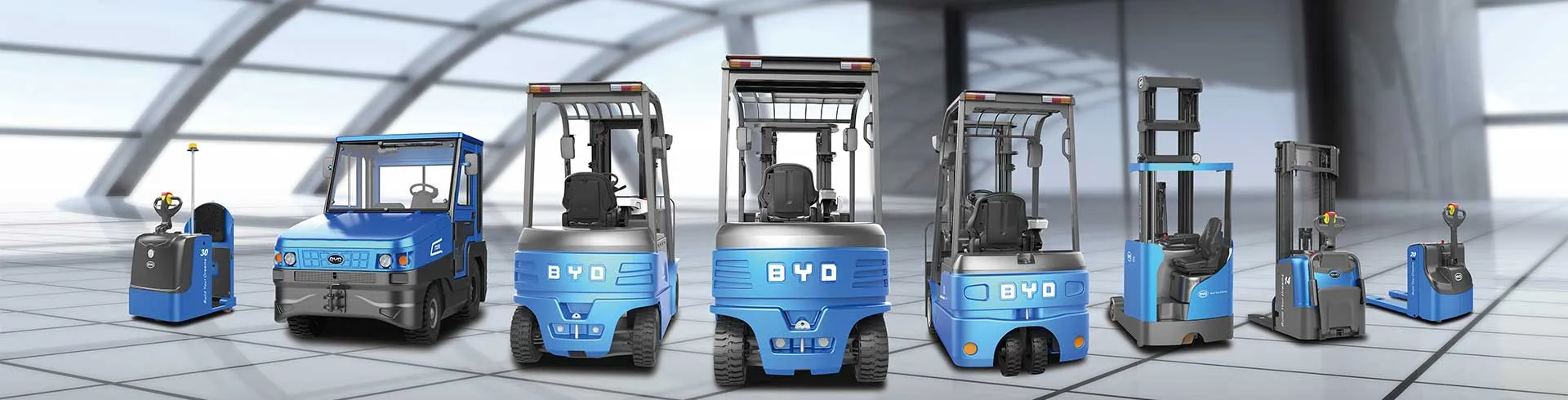
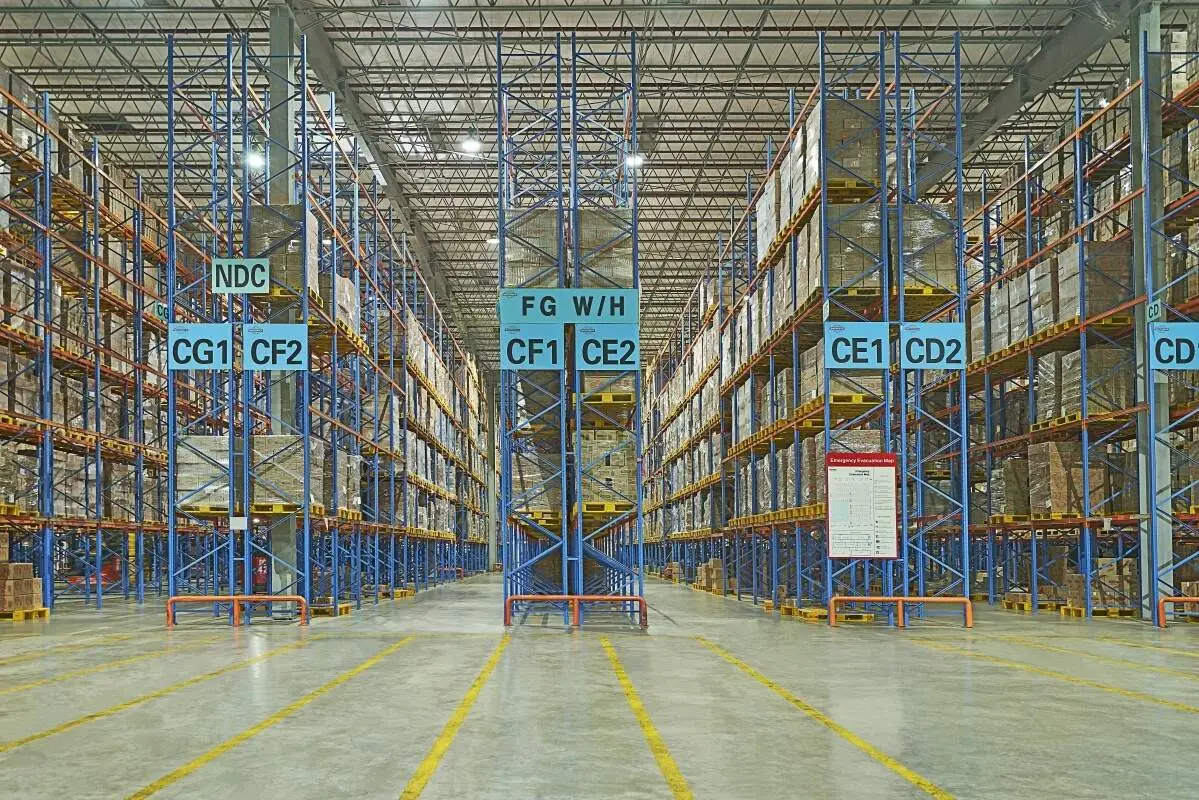
Heavy-duty forklifts, as the core equipment of industrial material handling, undertake the key task of heavy-duty cargo transfer in ports, warehousing, manufacturing and other scenarios. Analyzing the use cost and application value of 10-ton heavy-duty forklifts can provide objective reference for enterprise equipment selection.
cost estimation
energy cost comparison
Compared with traditional fuel forklifts, 10-ton electric heavy-duty forklifts have obvious advantages in energy consumption costs. Taking 8 hours of daily operation as an example, the power consumption of electric forklifts is about 80-100 kWh. According to the average price of industrial electricity, the daily energy consumption cost is about 50-70 yuan. The daily fuel consumption of fuel forklifts is about 30-40 liters, and the daily energy consumption cost is about 210-280 yuan. The energy cost gap of electric forklifts will gradually widen under long-term operation.
Maintenance cost analysis
The power system structure of an electric forklift is relatively simple, without complex fuel injection, exhaust and other components. Daily maintenance is mainly focused on batteries, tires and hydraulic systems. The annual maintenance cost is about 3% -5% of the vehicle price, while the fuel forklift is easy to wear and tear due to the engine, transmission system and other components. The annual maintenance cost is about 6% -8% of the vehicle price. In the long run, the maintenance cost of an electric forklift is lower.
Depreciation cost considerations
The battery life of the core components of an electric heavy-duty forklift can reach 5-8 years, and the service life of the whole vehicle is about 10-15 years. The average annual depreciation cost is calculated according to the average annual allocation, and the average annual depreciation is about 6% -10% of the whole vehicle price. The service life of a fuel forklift is about 8-12 years, and the average annual depreciation is about 8% -12% of the whole vehicle price. The longer service life of an electric forklift can effectively reduce the average annual depreciation cost.
Application Value Analysis
Overload Job Scenario Adaptation
The 10-ton heavy-duty forklift has sufficient carrying capacity to meet the needs of heavy-duty scenarios such as port container transshipment, large-scale warehousing heavy cargo handling, and raw material loading and unloading in the manufacturing industry. Stable power output can ensure the safety and efficiency of the cargo transshipment process.
Operational efficiency improvement
The electric forklift has fast start-up speed and timely response, which can reduce waiting time and improve the operation rhythm in frequent start-stop operation scenarios. At the same time, the electric forklift has no exhaust emissions and can operate in closed warehouses, indoor workshops and other scenarios without additional ventilation equipment, expanding the operation scope and further improving the overall operation efficiency.
long-term benefit optimization
From the perspective of long-term operation, the advantages of low energy consumption and low maintenance cost of electric forklifts, combined with longer service life, can continuously reduce operating expenses for enterprises. At the same time, the characteristics that meet environmental protection requirements can help enterprises avoid environmental compliance risks, help enterprises achieve green operations, and improve brand perception.


