简体中文
简体中文 Deutsch
 日本語
日本語 한국어
한국어 Tiếng Việt
 Русский
 ไทย
ไทย Bahasa Indonesia
 Bahasa Melayu
 Filipino
 لالعربية
 Français
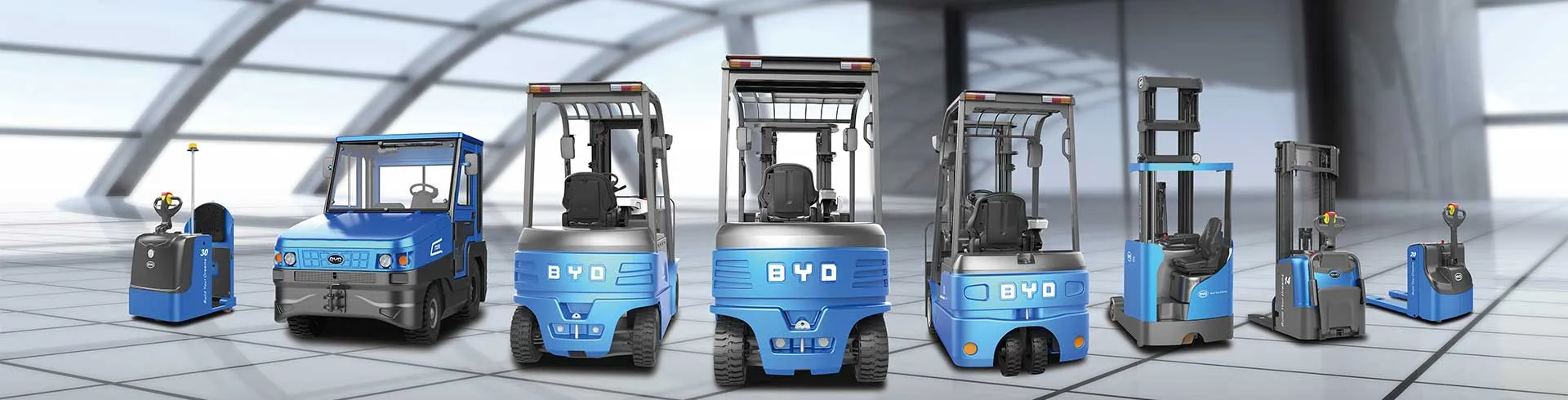
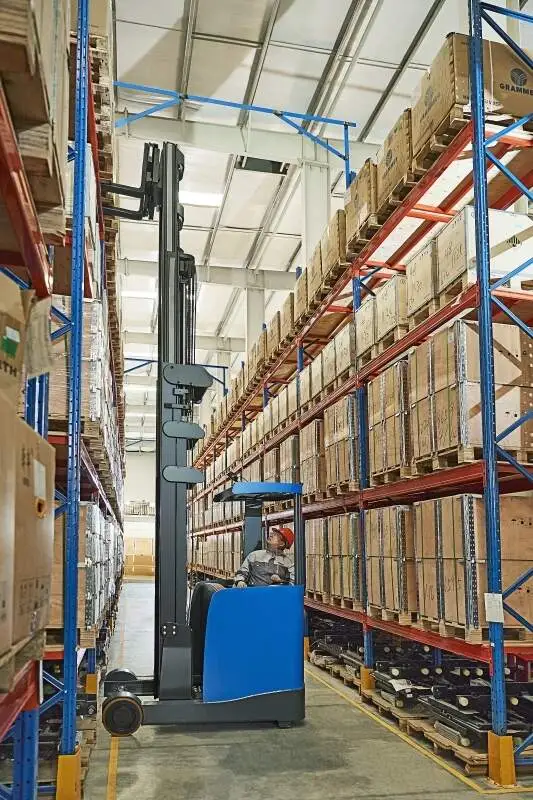
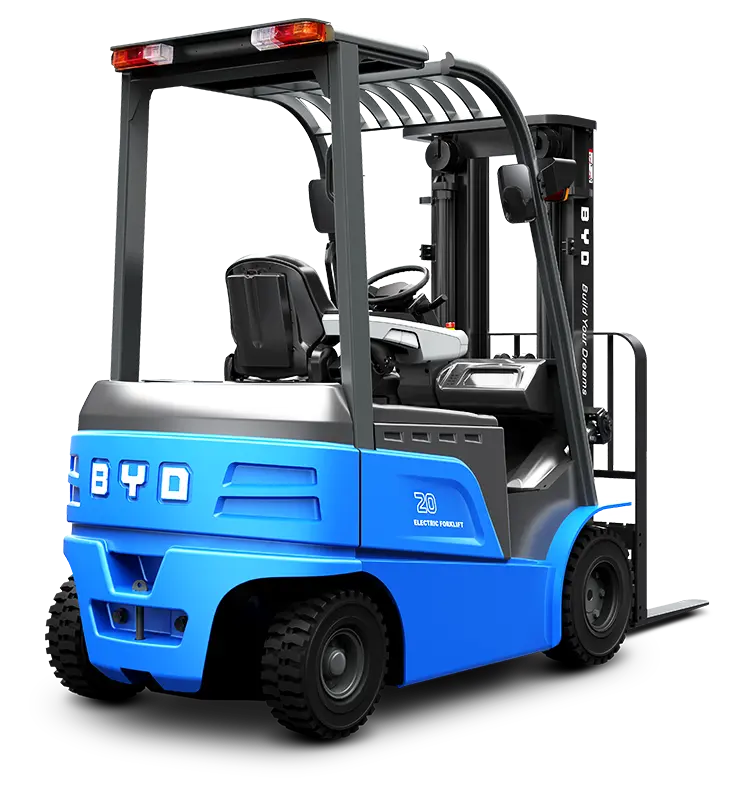
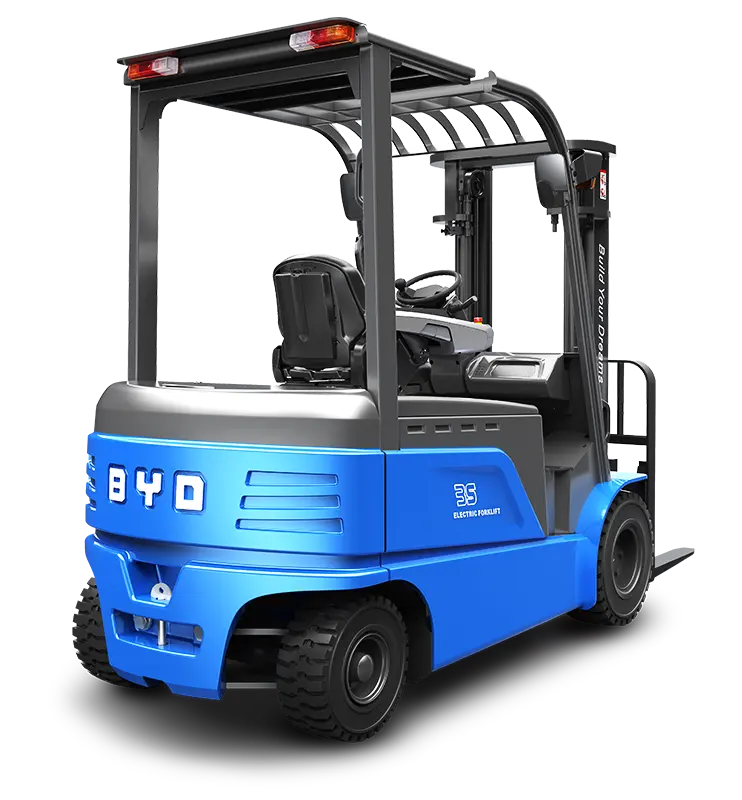
With the low-carbon and intelligent transformation of the logistics and warehousing industry, the market penetration rate of new energy forklifts has increased year by year. Compared with traditional internal combustion forklifts that have been used for many years, their core technology upgrades are mainly concentrated in three dimensions, which can better adapt to the current operational needs.
Power supply system upgrade
Traditional internal combustion forklifts use the fuel engine as the core power source, and the energy conversion efficiency is generally low. During the operation, exhaust gas and noise pollution will be generated, which is difficult to meet the needs of indoor warehousing, food processing and other scenes with high environmental requirements. New energy forklifts use power batteries as the power core, which greatly improves the energy conversion efficiency, has no exhaust emissions throughout the operation, and has lower operating noise. At the same time, the power response speed is faster, and the operation smoothness of starting and steering is better. It can adapt to the operation scene of high-frequency short-distance transfer, reducing the fatigue of operators.
Energy consumption and operation and maintenance technology upgrade
The fuel consumption cost of traditional internal combustion forklifts is greatly affected by fluctuations in oil prices, and the engine structure is complex. It requires regular replacement of oil, three filters and other accessories, and the long-term operation and maintenance cost is high. The new energy forklift is equipped with an intelligent energy recovery system, which can convert surplus kinetic energy into electric energy and recharge it to the power battery during the braking and downhill process of the vehicle, further reducing the energy consumption level. The overall use cost is only about one-third of that of traditional internal combustion forklifts. At the same time, the power structure of the new energy forklift is simpler. There are no easy-to-wear parts related to the engine. The daily operation and maintenance only need to regularly check the status of the battery and electronic control system. The operation and maintenance frequency and cost have been significantly
Intelligent adaptation capability upgrade
The electronic control architecture of traditional internal combustion forklifts is relatively basic, and it is difficult to access the management system of smart warehousing. The operation data cannot be synchronized in real time, and it is also difficult to adapt to the needs of automated transformation. New energy forklifts have reserved intelligent interfaces from the design stage, and the electronic control system can directly connect with various warehouse management systems. It can be equipped with functions such as automatic navigation, automatic obstacle identification, and real-time upload of operation data. It adapts to the transformation needs of unmanned warehousing and smart logistics, and helps users improve overall operation efficiency.
From a long-term development perspective, the technological upgrading of new energy forklifts not only meets the requirements of low-carbon and environmentally friendly development policies, but also helps users reduce long-term operating costs. This is the mainstream development direction of the forklift industry in the future.