简体中文
简体中文 Deutsch
 日本語
日本語 한국어
한국어 Tiếng Việt
 Русский
 ไทย
ไทย Bahasa Indonesia
 Bahasa Melayu
 Filipino
 لالعربية
 Français
Qualification access compliance requirements
Vehicle qualification requirements
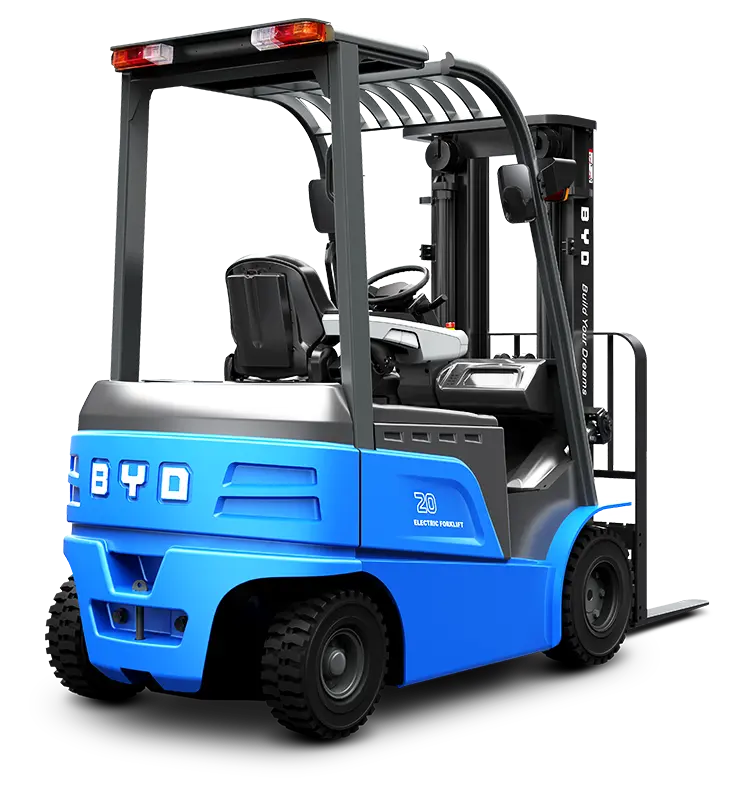
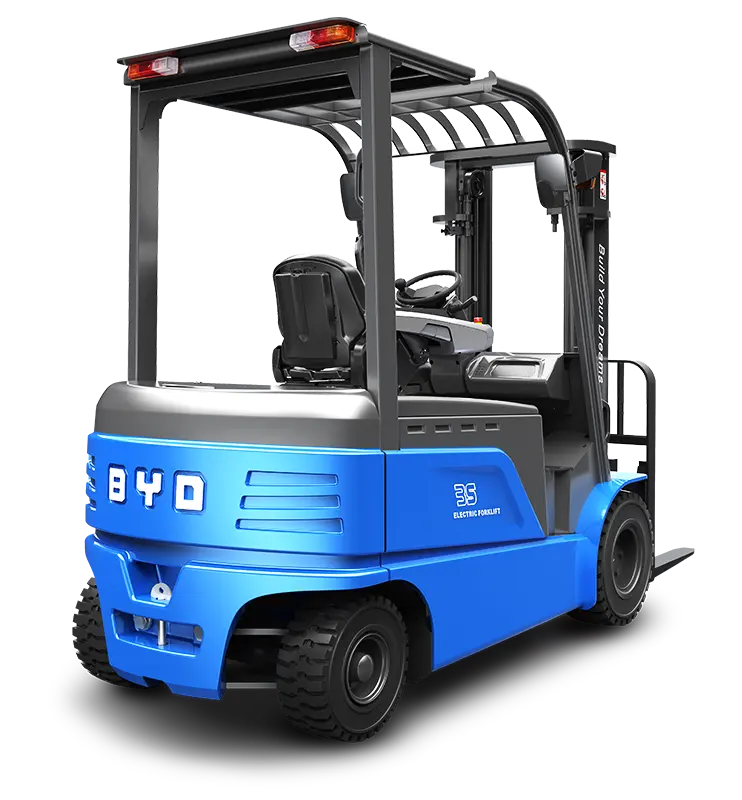
New energy forklifts belong to the category of special motor vehicles in the field (factory) and belong to special equipment. Before being put into use in the factory, they must complete the statutory inspection and testing according to the regulations, obtain the registration certificate for the use of special equipment, and paste the inspection mark in a prominent position on the body. New energy forklifts that have not been inspected, failed the inspection or privately modified and assembled shall not be used. The technical parameters of the vehicle shall be consistent with the registration and filing information.
Operator qualification requirements
Drivers of new energy forklifts need to obtain a special equipment operator certificate of the corresponding category, hold the certificate, and carry the certificate for inspection when operating. Enterprises need to regularly organize operators to participate in safety operation training and qualification review, and personnel without qualifications are not allowed to operate forklifts independently.
Job process compliance
Job operation specification
Forklift operation needs to strictly abide by the internal traffic management regulations of the factory area, drive at a limited speed, strictly enforce the load requirements, do not overload transportation, super high stacking of goods, and strictly prohibit illegal carrying of personnel. During the operation process, it is necessary to maintain a sufficient safe distance from surrounding operators, facilities and equipment, and building walls. When turning, reversing, and passing through intersections, you need to sound a warning in advance to confirm that there is no risk before passing.
working environment adaptation
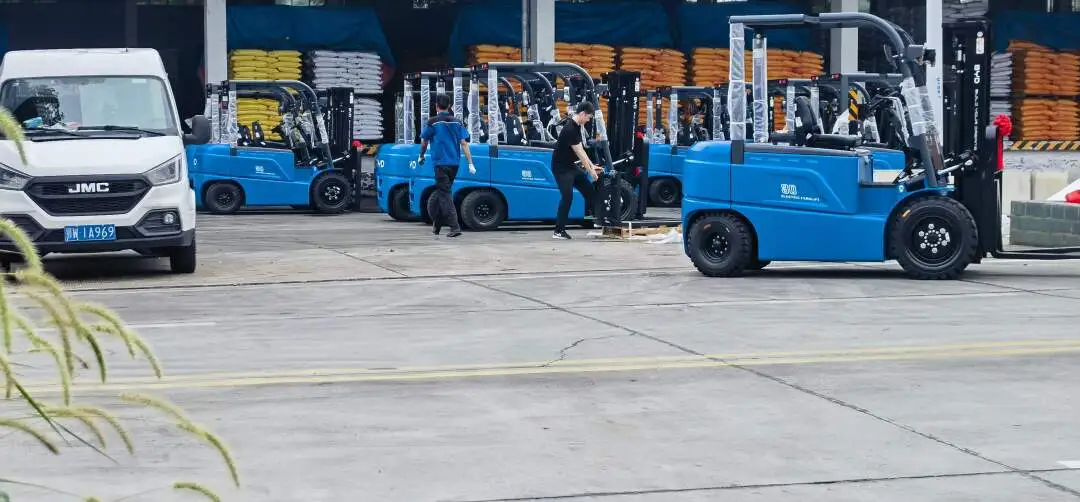
The factory area needs to be equipped with an exclusive charging area for new energy forklifts that meets safety standards. The charging area needs to be far away from flammable and explosive storage points, and equipped with qualified fire protection facilities and insulating protective equipment. When charging, the total power supply of the vehicle needs to be turned off, and it is not allowed to be temporarily charged in the operation channel, fire escape, evacuation exit and other areas. The charging area must not be stacked with irrelevant sundries.
Operations and security management compliance requirements
Daily operation and maintenance requirements
Enterprises need to establish a full life cycle operation and maintenance ledger for new energy forklifts, and regularly check and inspect the core components of the vehicle's battery system, braking system, steering system, warning device, etc. If a fault is found, it will be stopped for maintenance immediately, and faulty vehicles shall not be arranged to be put into operation. The disposal of used power batteries shall comply with the relevant regulations on hazardous waste management, and shall not be discarded at will or handed over to unqualified institutions for disposal.
Emergency management requirements
Enterprises need to formulate emergency plans for special projects of new energy forklifts, regularly organize relevant personnel to carry out emergency drills, and equip suitable fire extinguishing and emergency rescue materials. In the event of battery leakage, smoke, fire and other dangerous situations, it is necessary to evacuate surrounding personnel as soon as possible, deal with them in accordance with the plan specifications, and report to relevant regulatory authorities as required.