简体中文
简体中文 Deutsch
 日本語
日本語 한국어
한국어 Tiếng Việt
 Русский
 ไทย
ไทย Bahasa Indonesia
 Bahasa Melayu
 Filipino
 لالعربية
 Français
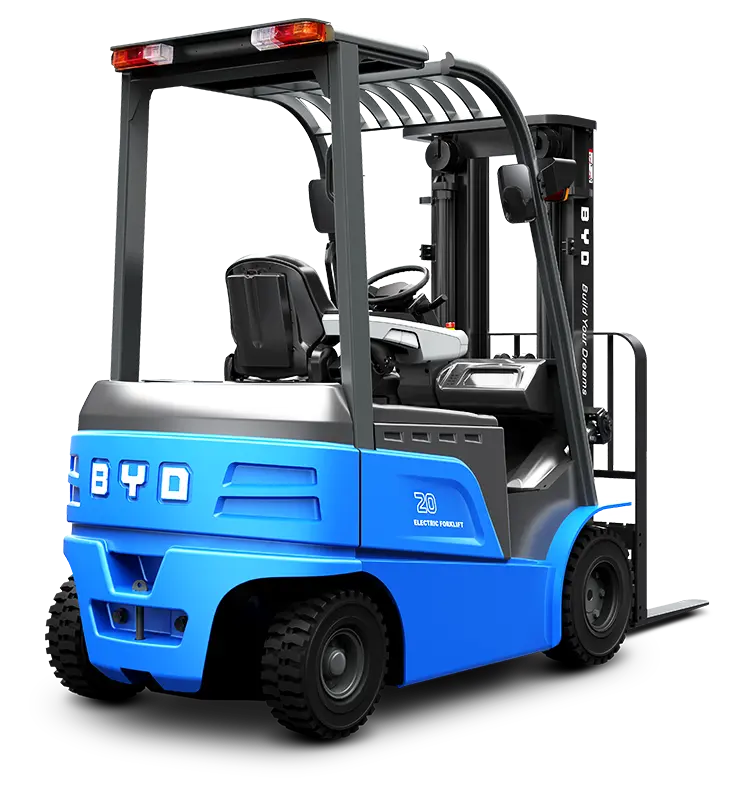
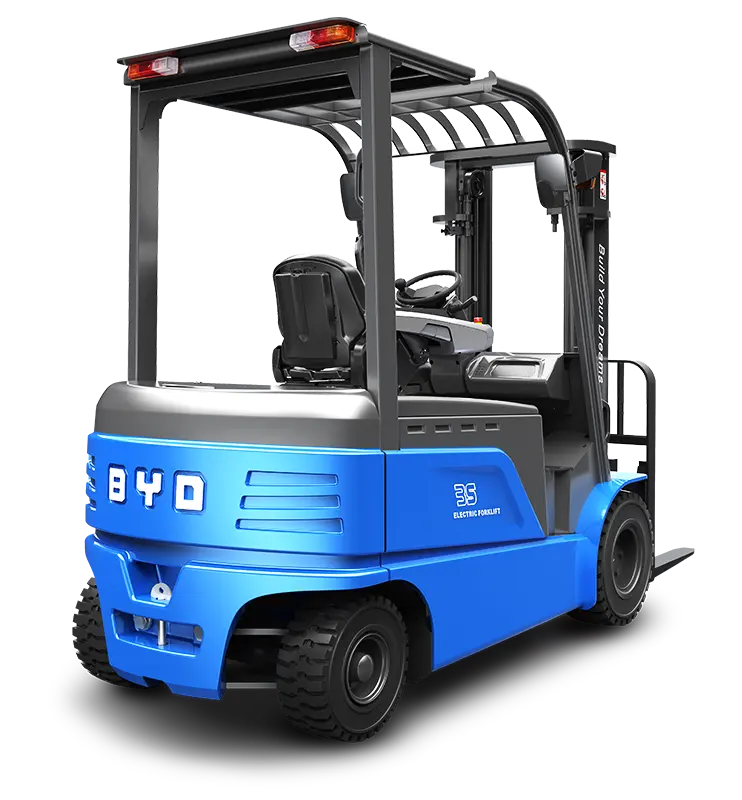
When purchasing 3-ton lithium-ion forklifts, many companies often only focus on the price, ignoring the matching degree of parameters and the adaptability of working conditions, resulting in problems such as insufficient load, poor traffic, and insufficient battery life after the vehicle is put into use, which actually increases the overall cost of use. By mastering the core selection points, you can easily choose a model that suits your own needs.
Core Parameter Check Points
The rated load and the load center distance are the first parameters to check. The rated load of 3 tons refers to the maximum bearing weight when the load center distance is the standard 500mm. If the center of gravity of the goods actually handled exceeds 500mm from the front end of the fork, the actual carrying weight of the vehicle will decrease accordingly. Before purchasing, you must first measure the center of gravity of your commonly used goods to confirm that the actual carrying weight of the vehicle meets the needs of use and avoid overload risks.
Battery performance parameters should also be paid attention to. To check the rated capacity of the battery, as well as the measured battery life under standard operating scenarios, and to confirm the charging speed, it takes 6 to 8 hours for a conventional lithium forklift to be fully charged. If there is a need for continuous operation, you can choose a model that supports fast charging. Usually, it can be charged to 80% in 1 to 2 hours, reducing waiting time.
The vehicle's traffic parameters cannot be ignored either. It is necessary to confirm the length, width, height, minimum turning radius, and maximum lifting height of the vehicle in advance. If the vehicle needs to enter the elevator or narrow passage for operation, it is necessary to measure the size of the corresponding traffic space in advance and reserve at least 10 cm of redundant space to avoid the problem of stuck and impassable vehicles after they are put into use.
Key points of working condition adaptation assessment
The first thing to do is to evaluate the road conditions of the operation. If there are slight potholes on the road surface such as outdoor construction sites and logistics parks, choose a model with thicker tires and better shock absorption performance to reduce the loss of vehicle parts due to bumps; if it is an indoor clean warehouse operation such as food and medicine, choose a model with non-marking tires to avoid leaving tire marks on the ground during operation.
Secondly, it is necessary to match the work intensity requirements. If it is a single-shift operation for 8 hours a day, choose a model with regular battery life to meet the demand; if it is a two-shift or even three-shift continuous operation, you can choose a model that supports battery quick change, and the battery replacement can be completed in a few minutes, without stopping work and waiting for charging, which improves the operation efficiency.
If there are special operation scenarios, it should also be clear in advance. For example, if you need to work in cold storage or explosion-proof areas, you should inform the supplier in advance, choose the appropriate model with the corresponding protection level, and do not directly purchase ordinary models to avoid circuit failures, battery attenuation, etc. in special environments, and even cause safety hazards.
When purchasing a 3-ton lithium-ion forklift, don't just compare the price, but also combine it with your actual use needs, from parameters to working conditions to do a full-dimensional check, and give priority to supply channels with full coverage and fast response speed after-sales services. The maintenance during subsequent use is also more secure.