简体中文
简体中文 Deutsch
 日本語
日本語 한국어
한국어 Tiếng Việt
 Русский
 ไทย
ไทย Bahasa Indonesia
 Bahasa Melayu
 Filipino
 لالعربية
 Français
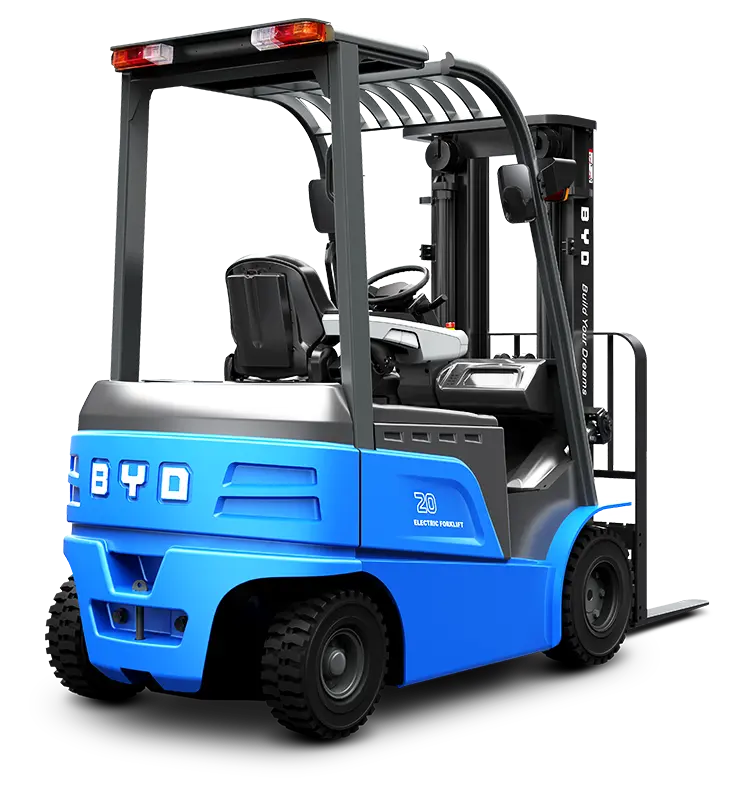
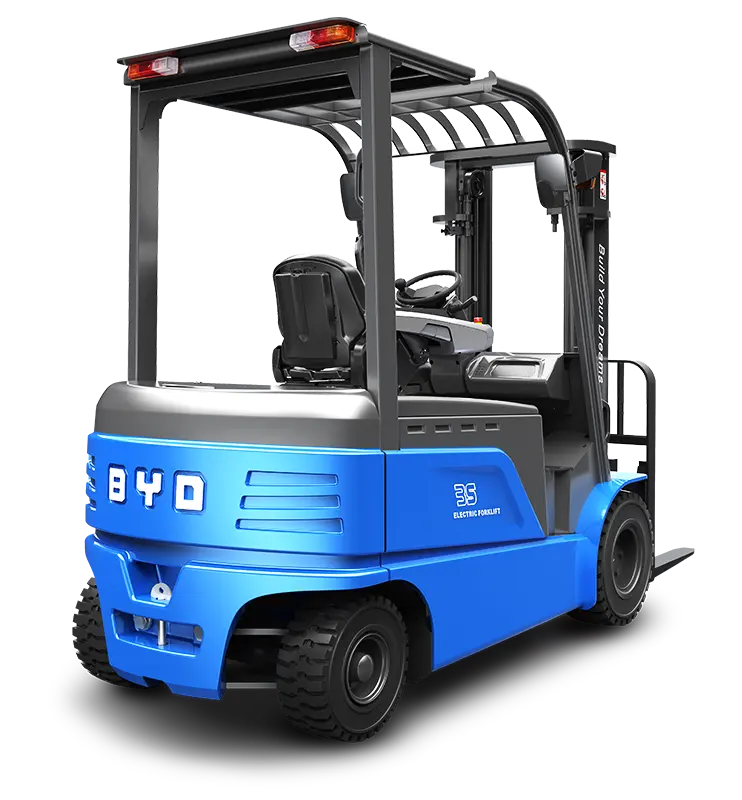
3-Ton forklifts are commonly used handling equipment in the fields of logistics warehousing, manufacturing and processing, supermarket distribution, etc. Many users only look at the price or the paper data of the parameter table when purchasing, and it is easy to buy products that do not match the actual needs, wasting procurement costs and affecting operation efficiency. Choosing the right 3-ton forklift as long as you grasp the three core dimensions, you can easily avoid purchasing mistakes.
First clarify your actual usage requirements
Sort out the characteristics of the working environment. Before purchasing, count the scenarios of daily operations. Is it used in a flat indoor storage space, or often needs to work on outdoor undulating roads, whether it needs to enter and exit special areas such as cold storage and explosion-proof workshops, and whether there is a need for narrow passages and ramps. For indoor operations, electric models with low noise and zero emissions can be preferred, and for outdoor operations, you can choose configurations with higher protection levels.
Clarify the requirements of the operation parameters. Count the peak weight and conventional lifting height of the goods handled daily in advance. If the goods are often transported close to 3 tons, try to choose a model with higher load redundancy to avoid long-term full load operation loss equipment. If there is a need for narrow channel operation, measure the channel width in advance and choose products that fit the body size to avoid the problem of being unable to enter the site after arrival.
Key verification of core configuration reliability
Check the power and battery life parameters. If you choose an electric model, confirm whether the battery life corresponding to the battery capacity can cover the single-day operation time, ask about the battery life attenuation under full load, and check whether the motor power meets the power requirements of full-load climbing and high-level lifting. Don't just look at the marked no-load parameters.
Confirm the basic safety configuration. Prefer products with overload protection, emergency stop device, reversing warning, and anti-rollover design. Don't omit necessary safety configurations in order to reduce procurement costs and avoid potential safety hazards in subsequent operations.
Examine the follow-up after-sales guarantee capability
Verify the local service coverage. Give priority to products with regular service outlets in the local area, and confirm whether the door-to-door maintenance can be done in time after the fault is reported for repair, so as to avoid delays in handling subsequent equipment failures and affect the normal operation progress.
Clear quality assurance policies. Ask about the quality assurance time of core components before purchasing, understand the replacement cost of wearing parts, and whether there is free regular maintenance service, which will directly affect the subsequent long-term use costs.
When purchasing a 3-ton forklift, don't just compare the low price, but also combine it with your own needs, configuration reliability, and after-sales guarantee. If you have the conditions, you can take a test drive on site to experience the smoothness and comfort of the operation. You can choose a product that suits your own needs and avoid most purchasing pitfalls.