简体中文
简体中文 Deutsch
 日本語
日本語 한국어
한국어 Tiếng Việt
 Русский
 ไทย
ไทย Bahasa Indonesia
 Bahasa Melayu
 Filipino
 لالعربية
 Français
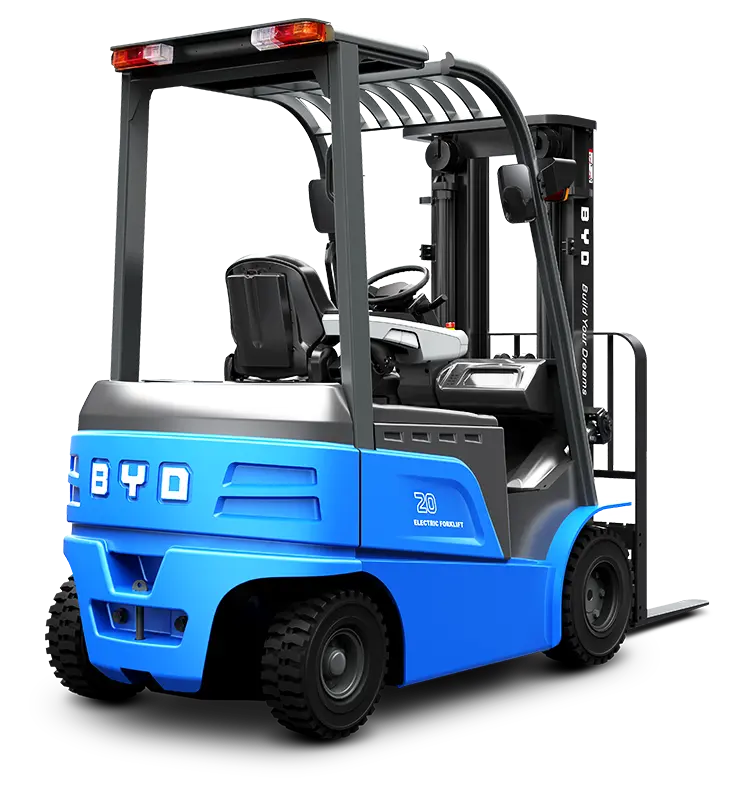
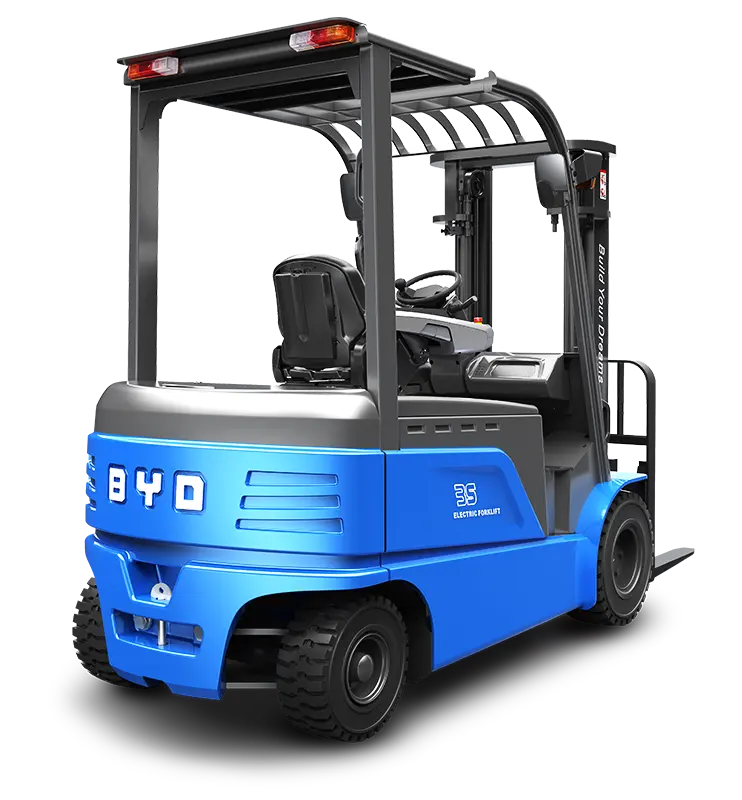
3-Ton electric forklifts are highly used equipment in factory transshipment, warehousing, loading and unloading scenarios. Many purchasers only pay attention to explicit parameters such as nominal load and purchase price when selecting models, and often ignore some hidden details, resulting in equipment that cannot be adapted to actual usage scenarios after purchase, and even increase subsequent maintenance costs. The following are 8 easily overlooked selection details for purchasers' reference.
Core configuration class selection details
Battery life compatibility
Many purchasers only look at the theoretical battery life marked by the merchant, and do not calculate it in combination with their actual operation time, which is prone to the problem of insufficient power in the middle of the operation. When selecting a model, you must first count your own full-load operation time in a single day, and then choose the battery configuration that can cover the actual discharge time. Users who use in low temperature environments should also pay extra attention to the low temperature resistance of the battery to avoid a significant reduction in battery life in winter.
Turning radius
If the operation scenario is a warehouse with narrow passages or an old factory area, it is necessary to check the minimum turning radius of the forklift in advance, measure the width of the self-owned operation channel first, and then choose the appropriate model to avoid the problem of turning stuck and impassable after the equipment enters the venue. In the narrow channel operation scenario, additional configuration with side shift function can be considered to enhance the flexibility of the operation.
Fork parameter adaptation
The default configuration of the fork is generally suitable for standard size pallets. If the daily transportation is an extended or unconventional size pallet, the configuration of the fork length should be adjusted in advance to avoid the risk of uneven load-bearing and sliding of the goods. Users with high stacking needs should also check the maximum lifting height of the fork rack to meet their own stacking needs.
Scene adaptation class selection details
Ground load adaptation
If the work site is an epoxy floor or an old factory cement floor, the wheel pressure of the forklift under full load should be calculated in advance to confirm that it will not exceed the maximum load-bearing capacity of the site to avoid crushing the ground. For scenes with high requirements for ground cleanliness, a non-marking tire configuration should also be selected to avoid leaving tire marks during operation.
Climbing ability adaptation
If there are ramps in the factory area, you can't just refer to the load parameters in the flat road state. You should measure the maximum ramp angle in the operation area in advance and choose a model with the required climbing ability to avoid the safety hazards of insufficient power and rolling cars during ramp operation.
The degree of humanization of operation configuration
Many purchasers ignore the driver's operating experience. In fact, when working for a long time, configurations such as shock-absorbing seats, adjustable armrests, and power steering can significantly reduce operator fatigue and indirectly improve overall operating efficiency. Long-term high-frequency use scenarios can prioritize models with such configurations.
After-sales maintenance type selection details
Universality of wearing parts
When selecting a forklift, it is necessary to confirm whether the tires, seals, and other wearing parts of the forklift are general specifications. Try not to choose models that can only purchase accessories from specific channels to avoid the problems of long procurement cycles and high costs during subsequent maintenance.
Convenience of maintenance service
Before purchasing, you can first check whether there is a corresponding local maintenance service network, and give priority to products that can provide local on-site maintenance to avoid the need to wait for maintenance personnel to come to the door for a long time when subsequent equipment fails, which will affect the normal operation progress.
Overall, the purchase of a 3-ton electric forklift cannot focus solely on the surface parameters and price. It is necessary to check these details one by one in combination with its own operating scenarios and usage requirements in order to choose more suitable equipment and reduce subsequent use and maintenance costs.