2026-06-24

Ein Muss beim Kauf eines 3-Tonnen-Elektrostaplers: 8 leicht zu übersehende Details zur Auswahl

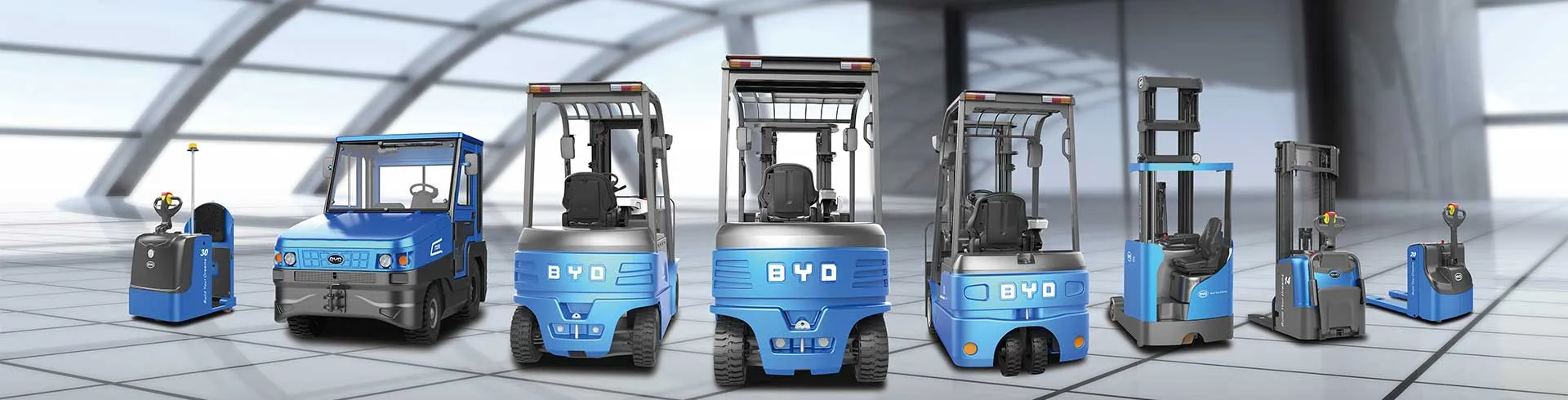
Ein Muss beim Kauf eines 3-Tonnen-Elektrostaplers: 8 leicht zu übersehende Details zur Auswahl(Figur1)

3-Tonnen-Elektrostapler sind häufig verwendete Geräte für den Umschlag, die Lagerung, das Be- und Entladen in Fabriken. Viele Käufer achten bei der Auswahl der Modelle nur auf explizite Parameter wie Nennlast und Kaufpreis und ignorieren oft einige versteckte Details, was dazu führt, dass die Geräte nach dem Kauf nicht an die tatsächlichen Nutzungsszenarien angepasst werden können und sogar die späteren Wartungskosten erhöhen. Im Folgenden finden Sie 8 leicht zu übersehende Auswahldetails, die den Käufern als Referenz dienen können.

Details zur Auswahl der Kernkonfigurationsklasse

Kompatibilität mit der Batterielebensdauer

Viele Käufer schauen nur auf die vom Händler angegebene theoretische Batterielebensdauer und berechnen sie nicht in Kombination mit ihrer tatsächlichen Betriebszeit, was zu dem Problem unzureichender Leistung in der Mitte des Betriebs führt. Bei der Auswahl eines Modells müssen Sie zunächst Ihre eigene Volllastbetriebszeit an einem einzigen Tag zählen und dann die Batteriekonfiguration wählen, die die tatsächliche Entladezeit abdecken kann. Benutzer, die in Umgebungen mit niedrigen Temperaturen verwenden, sollten auch besonders auf die niedrige Temperaturbeständigkeit des Akkus achten, um eine erhebliche Verringerung der Batterielebensdauer im Winter zu vermeiden.

Drehradius

Handelt es sich bei dem Betriebsszenario um ein Lager mit engen Durchgängen oder einen alten Fabrikbereich, ist es notwendig, den minimalen Wenderadius des Gabelstaplers im Voraus zu überprüfen, zunächst die Breite des eigenen Betriebskanals zu messen und dann das geeignete Modell zu wählen, um das Problem des festsitzenden und unpassierbaren Drehens zu vermeiden, nachdem das Gerät in den Veranstaltungsort gelangt ist. In dem Betriebsszenario mit engem Kanal kann eine zusätzliche Konfiguration mit Seitenverschiebungsfunktion in Betracht gezogen werden, um die Flexibilität des Betriebs zu erhöhen.

Anpassung der Gabelparameter

Die Standardkonfiguration der Gabel ist im Allgemeinen für Paletten in Standardgröße geeignet. Handelt es sich bei dem täglichen Transport um eine verlängerte oder unkonventionelle Palette, sollte die Konfiguration der Gabellänge im Voraus angepasst werden, um das Risiko einer ungleichmäßigen Belastung und eines Verrutschens der Ware zu vermeiden. Benutzer mit hohem Stapelbedarf sollten auch die maximale Hubhöhe des Gabelregals überprüfen, um ihren eigenen Stapelbedarf zu decken.

Details zur Auswahl der Szenenanpassungsklassen

Anpassung der Bodenlast

Handelt es sich bei der Baustelle um einen Epoxidboden oder einen alten Werkszementboden, sollte der Raddruck des Gabelstaplers unter Volllast im Voraus berechnet werden, um sicherzustellen, dass er die maximale Tragfähigkeit der Baustelle nicht überschreitet, um eine Quetschung des Bodens zu vermeiden. Bei Szenen mit hohen Anforderungen an die Bodenreinheit sollte auch eine nicht abfärbende Reifenkonfiguration gewählt werden, um zu vermeiden, dass während des Betriebs Reifenspuren hinterlassen werden.

Anpassung der Kletterfähigkeit

Wenn es im Werksbereich Rampen gibt, können Sie sich nicht nur auf die Belastungsparameter im flachen Straßenzustand beziehen. Sie sollten den maximalen Rampenwinkel im Betriebsbereich im Voraus messen und ein Modell mit der erforderlichen Steigfähigkeit wählen, um die Sicherheitsrisiken durch unzureichende Leistung und rollende Autos während des Rampenbetriebs zu vermeiden.

Der Grad der Humanisierung der Betriebskonfiguration

Viele Käufer ignorieren die Bedienerfahrung des Fahrers. Tatsächlich können Konfigurationen wie stoßdämpfende Sitze, verstellbare Armlehnen und Servolenkung bei längerem Arbeiten die Ermüdung des Fahrers erheblich reduzieren und indirekt die Gesamteffizienz verbessern. Langfristige Hochfrequenz-Einsatzszenarien können Modelle mit solchen Konfigurationen priorisieren.

Details zur Auswahl der Wartungsart nach dem Verkauf

Universalität der Verschleißteile

Bei der Auswahl eines Gabelstaplers ist zu prüfen, ob es sich bei den Reifen, Dichtungen und anderen Verschleißteilen des Gabelstaplers um allgemeine Spezifikationen handelt. Versuchen Sie, keine Modelle zu wählen, bei denen nur Zubehör über bestimmte Kanäle gekauft werden kann, um die Probleme langer Beschaffungszyklen und hoher Kosten bei der anschließenden Wartung zu vermeiden.

Bequemlichkeit des Wartungsdienstes

Vor dem Kauf können Sie zunächst prüfen, ob ein entsprechendes lokales Wartungsnetz vorhanden ist, und Produkten den Vorrang geben, die eine lokale Wartung vor Ort ermöglichen, um zu vermeiden, dass das Wartungspersonal lange vor der Tür stehen muss, wenn nachfolgende Geräte ausfallen, was den normalen Betriebsfortschritt beeinträchtigt.

Insgesamt kann man sich beim Kauf eines 3-Tonnen-Elektrostaplers nicht nur auf die Oberflächenparameter und den Preis konzentrieren. Es ist notwendig, diese Details einzeln in Kombination mit den eigenen Betriebsszenarien und Nutzungsanforderungen zu überprüfen, um geeignetere Geräte auszuwählen und die späteren Nutzungs- und Wartungskosten zu senken.
Telefon

WeChat

Whatsapp

E-Mail Adresse

We use cookie to improve your online experience. By continuing to browse this website, you agree to our use of cookie.

Cookies

Please read our Terms and Conditions and this Policy before accessing or using our Services. If you cannot agree with this Policy or the Terms and Conditions, please do not access or use our Services. If you are located in a jurisdiction outside the European Economic Area, by using our Services, you accept the Terms and Conditions and accept our privacy practices described in this Policy.
We may modify this Policy at any time, without prior notice, and changes may apply to any Personal Information we already hold about you, as well as any new Personal Information collected after the Policy is modified. If we make changes, we will notify you by revising the date at the top of this Policy. We will provide you with advanced notice if we make any material changes to how we collect, use or disclose your Personal Information that impact your rights under this Policy. If you are located in a jurisdiction other than the European Economic Area, the United Kingdom or Switzerland (collectively “European Countries”), your continued access or use of our Services after receiving the notice of changes, constitutes your acknowledgement that you accept the updated Policy. In addition, we may provide you with real time disclosures or additional information about the Personal Information handling practices of specific parts of our Services. Such notices may supplement this Policy or provide you with additional choices about how we process your Personal Information.


Cookies

Cookies are small text files stored on your device when you access most Websites on the internet or open certain emails. Among other things, Cookies allow a Website to recognize your device and remember if you've been to the Website before. Examples of information collected by Cookies include your browser type and the address of the Website from which you arrived at our Website as well as IP address and clickstream behavior (that is the pages you view and the links you click).We use the term cookie to refer to Cookies and technologies that perform a similar function to Cookies (e.g., tags, pixels, web beacons, etc.). Cookies can be read by the originating Website on each subsequent visit and by any other Website that recognizes the cookie. The Website uses Cookies in order to make the Website easier to use, to support a better user experience, including the provision of information and functionality to you, as well as to provide us with information about how the Website is used so that we can make sure it is as up to date, relevant, and error free as we can. Cookies on the Website We use Cookies to personalize your experience when you visit the Site, uniquely identify your computer for security purposes, and enable us and our third-party service providers to serve ads on our behalf across the internet.

We classify Cookies in the following categories:
 ●  Strictly Necessary Cookies
 ●  Performance Cookies
 ●  Functional Cookies
 ●  Targeting Cookies


Cookie List
A cookie is a small piece of data (text file) that a website – when visited by a user – asks your browser to store on your device in order to remember information about you, such as your language preference or login information. Those cookies are set by us and called first-party cookies. We also use third-party cookies – which are cookies from a domain different than the domain of the website you are visiting – for our advertising and marketing efforts. More specifically, we use cookies and other tracking technologies for the following purposes:

Strictly Necessary Cookies
These cookies are necessary for the website to function and cannot be switched off in our systems. They are usually only set in response to actions made by you which amount to a request for services, such as setting your privacy preferences, logging in or filling in forms. You can set your browser to block or alert you about these cookies, but some parts of the site will not then work. These cookies do not store any personally identifiable information.

Functional Cookies
These cookies enable the website to provide enhanced functionality and personalisation. They may be set by us or by third party providers whose services we have added to our pages. If you do not allow these cookies then some or all of these services may not function properly.

Performance Cookies
These cookies allow us to count visits and traffic sources so we can measure and improve the performance of our site. They help us to know which pages are the most and least popular and see how visitors move around the site. All information these cookies collect is aggregated and therefore anonymous. If you do not allow these cookies we will not know when you have visited our site, and will not be able to monitor its performance.

Targeting Cookies
These cookies may be set through our site by our advertising partners. They may be used by those companies to build a profile of your interests and show you relevant adverts on other sites. They do not store directly personal information, but are based on uniquely identifying your browser and internet device. If you do not allow these cookies, you will experience less targeted advertising.

How To Turn Off Cookies
You can choose to restrict or block Cookies through your browser settings at any time. Please note that certain Cookies may be set as soon as you visit the Website, but you can remove them using your browser settings. However, please be aware that restricting or blocking Cookies set on the Website may impact the functionality or performance of the Website or prevent you from using certain services provided through the Website. It will also affect our ability to update the Website to cater for user preferences and improve performance. Cookies within Mobile Applications

We only use Strictly Necessary Cookies on our mobile applications. These Cookies are critical to the functionality of our applications, so if you block or delete these Cookies you may not be able to use the application. These Cookies are not shared with any other application on your mobile device. We never use the Cookies from the mobile application to store personal information about you.

If you have questions or concerns regarding any information in this Privacy Policy, please contact us by email at . You can also contact us via our customer service at our Site.