
 简体中文
简体中文 Deutsch
 日本語
日本語 한국어
한국어 Tiếng Việt
 Русский
 ไทย
ไทย Bahasa Indonesia
 Bahasa Melayu
 Filipino
 لالعربية
 Français
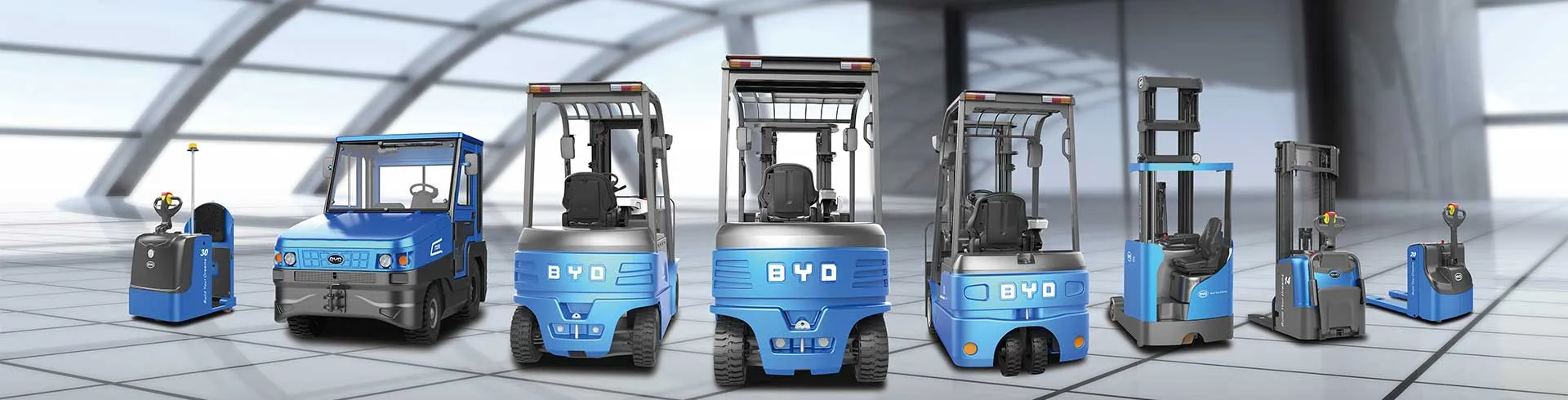
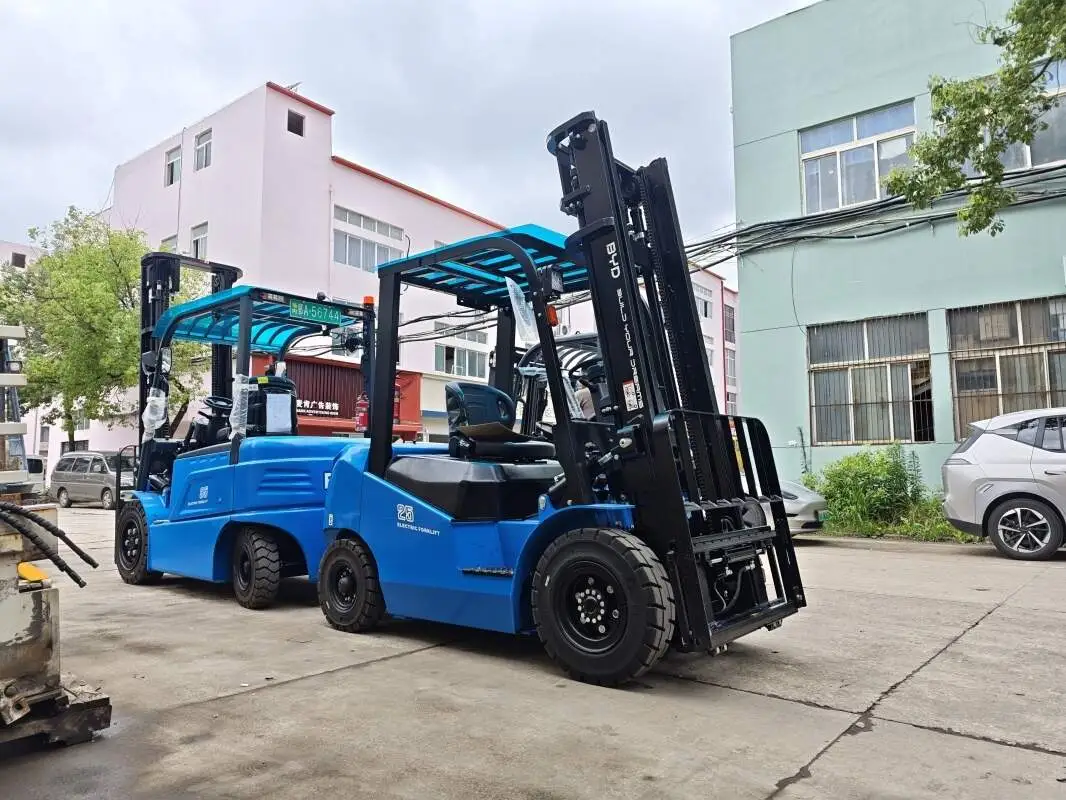
Due to the compact space and dense shelves in the narrow-channel workshop, the flexibility and adaptability of the transfer equipment are extremely high. Small lithium-ion forklifts have become the preferred tool for such scenarios due to their environmentally friendly and flexible characteristics. However, how to choose the appropriate model needs to be considered one by one according to the specific needs of the operation scene.
Dimensional parameter considerations for adapting narrow channels
Body width and turning radius are the core indicators of narrow channel operations. When selecting, measure the minimum width of the workshop channel first, and choose a forklift with a body width slightly smaller than the channel width to avoid scratching the shelves or walls. At the same time, pay attention to the minimum turning radius. The smaller the radius, the stronger the steering flexibility of the forklift in a narrow space, which can reduce the number of reversing adjustments and improve the transfer efficiency.
The size of the fork and the lifting height also need to match the actual needs. Choose the length of the fork according to the conventional size of the goods in the workshop. If the fork is too long, it will increase the space occupation during steering, and if it is too short, it will not be able to carry the goods stably. The lifting height needs to correspond to the storage layer height of the shelf, so there is no need to pursue excessive lifting capacity to avoid functional redundancy and cost waste.
Power and battery life configuration for fitting shop operations
The stability of the lithium battery system directly affects the continuity of the operation. It is necessary to choose a forklift with matching battery life according to the single-day operation time and transshipment frequency of the workshop. If the workshop adopts a multi-shift manufacturing industry, the model that supports fast charging is preferred. The shift gap can be used to complete the replenishment and reduce the downtime.
The smoothness of the power output cannot be ignored either. The operation in the narrow aisle starts and stops frequently, and the forklift with stable power output can reduce the shaking of the goods, reduce the risk of damage to the goods, and at the same time improve the comfort of the operation and reduce the labor intensity of the operator.
Control and safety configuration to improve operation efficiency
Control flexibility design is a key plus for narrow aisle operations. Preference is given to forklifts with lightweight and responsive handles. Some models have in-situ steering function, which can complete steering in a very small space, greatly improving the flexibility of the operation. In addition, the adjustment function of the seat and the user-friendly design of the operation interface can also improve the comfort of long-term operation.
Safety protection devices are essential. The line of sight in narrow passages is easily blocked, and forklifts equipped with anti-collision warning, automatic speed limit, and fork anti-sliding devices can effectively reduce safety hazards such as collisions and goods falling, and ensure the safety of personnel and goods.
The selection of small lithium-ion forklifts based on the above points can not only fully adapt to the working environment of the narrow-channel workshop, but also improve the transfer efficiency and operation safety, and provide reliable support for the orderly operation of the workshop.


