
 简体中文
简体中文 Deutsch
 日本語
日本語 한국어
한국어 Tiếng Việt
 Русский
 ไทย
ไทย Bahasa Indonesia
 Bahasa Melayu
 Filipino
 لالعربية
 Français
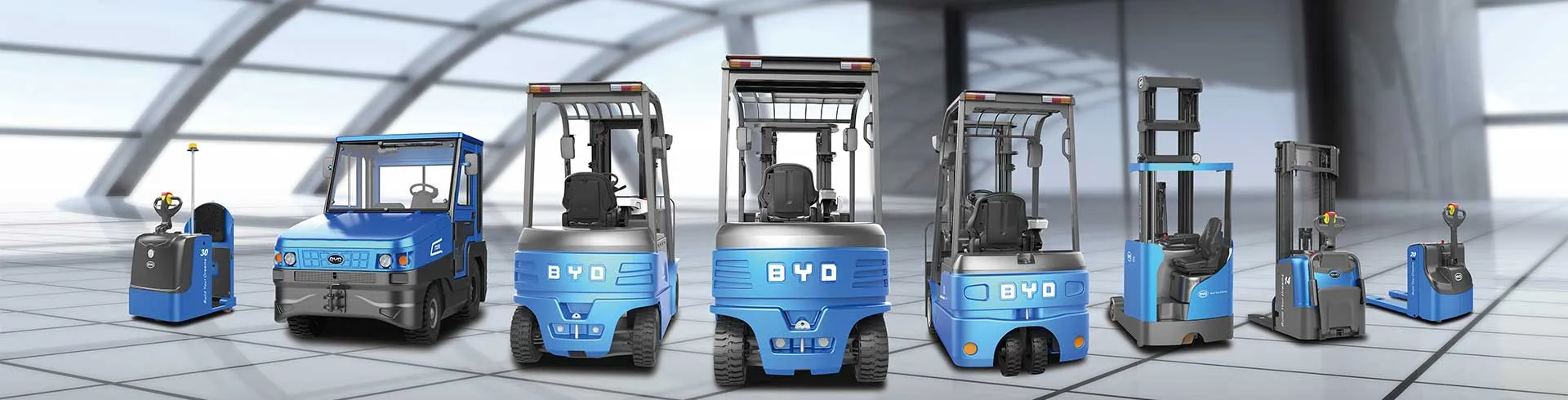
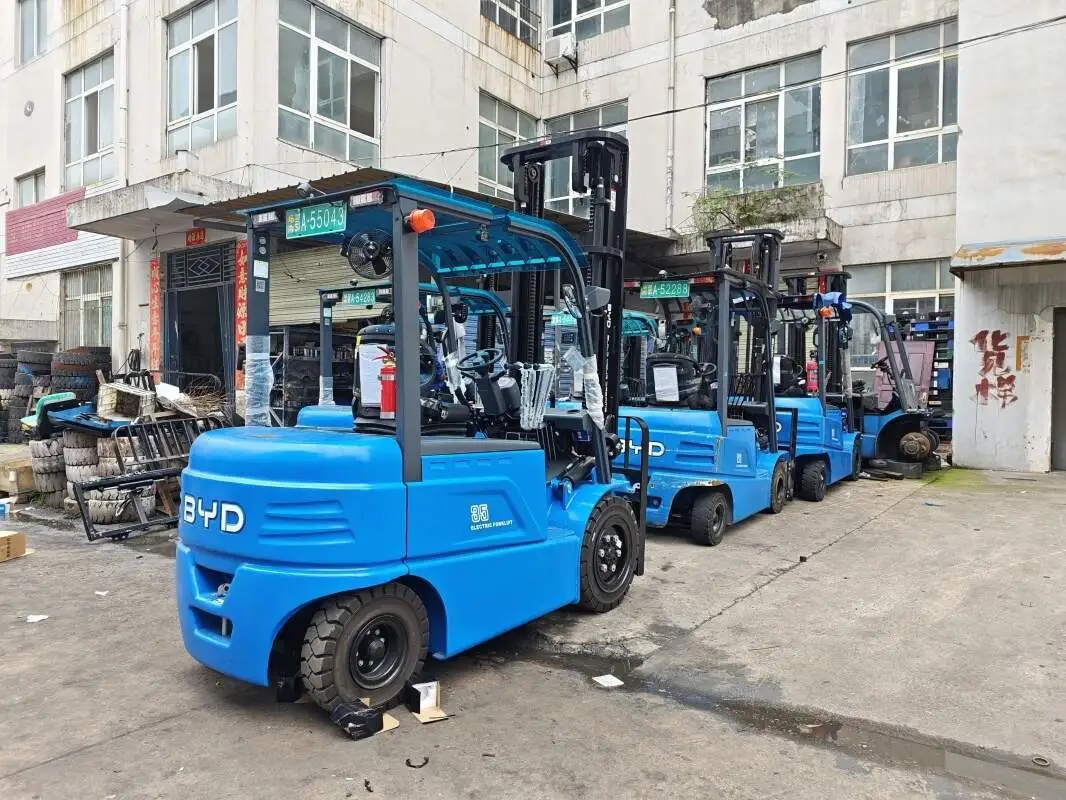
In the dust-free clean workshop, which requires extremely high environmental control scenarios, the selection of lithium-ion forklifts is directly related to the cleanliness and operating efficiency of the production environment. Unlike the selection of forklifts under ordinary working conditions, the lithium-ion forklifts in the dust-free clean workshop need to meet various special requirements. Here are a few core reference points for you.
Adapt workshop clean grade
There are differences in dust control requirements for equipment in workshops with different cleanliness levels. For example, 100-level and 1000-level clean workshops require forklifts to have extremely low particulate emission capacity. When selecting a model, it is necessary to confirm whether the forklift has the corresponding level of cleanliness certification, and whether its design can effectively suppress particulate matter, exhaust gas and other pollutants generated during operation to avoid damaging the clean environment of the workshop.
Sealing performance considerations
The dust-free clean workshop should not only prevent external pollutants from invading the inside of the equipment, but also avoid the leakage of lubricating oil and metal debris inside the forklift into the production environment. Therefore, it is necessary to focus on the sealing design of key components of the forklift, such as whether the sealing structure of the motor, controller and hydraulic system is tight, so as to ensure that there will be no leakage or dust problems during long-term operation.
Material selection requirements
The body and parts of the forklift should be made of anti-corrosion and easy-to-clean materials to reduce the possibility of dust accumulation and bacteria. Preference should be given to stainless steel or specially coated materials to avoid materials that are prone to debris and paint peeling. At the same time, the joints of the parts should be flat and smooth to facilitate daily cleaning and maintenance, and reduce the impact on the clean environment.
Power system stability
The power system of the lithium forklift needs to be stable and reliable to avoid downtime affecting the production progress. At the same time, the charging and operation of the battery cannot produce harmful gases or particles. A low-emission, low-noise lithium battery system should be selected to ensure that when operating in a clean workshop, it will not interfere with the clean state of the environment and will not affect the health of the operator.
Operational flexibility
Clean dust-free workshops usually have a compact layout and narrow operating channels. Forklifts need to have good steering flexibility and a small turning radius to facilitate smooth operation in a small space. In addition, the operating handle should be designed to be simple and easy to understand, which is convenient for operators to quickly master, reduce the risk of pollution caused by operation errors, and improve operation efficiency.
ease of maintenance
The maintenance work in the clean workshop needs to minimize the disturbance to the environment, so the design of the forklift should be convenient for quick maintenance. For example, the modular component design can be completed without dismantling a large number of structures. At the same time, the waste generated during the maintenance process should be easy to clean and avoid polluting the clean environment of the workshop.
Comprehensive selection of the above points can make the lithium forklift better adapt to the operation needs of the dust-free clean workshop, and improve the efficiency and safety of material handling while ensuring the cleanliness of the production environment.


