
 简体中文
简体中文 Deutsch
 日本語
日本語 한국어
한국어 Tiếng Việt
 Русский
 ไทย
ไทย Bahasa Indonesia
 Bahasa Melayu
 Filipino
 لالعربية
 Français
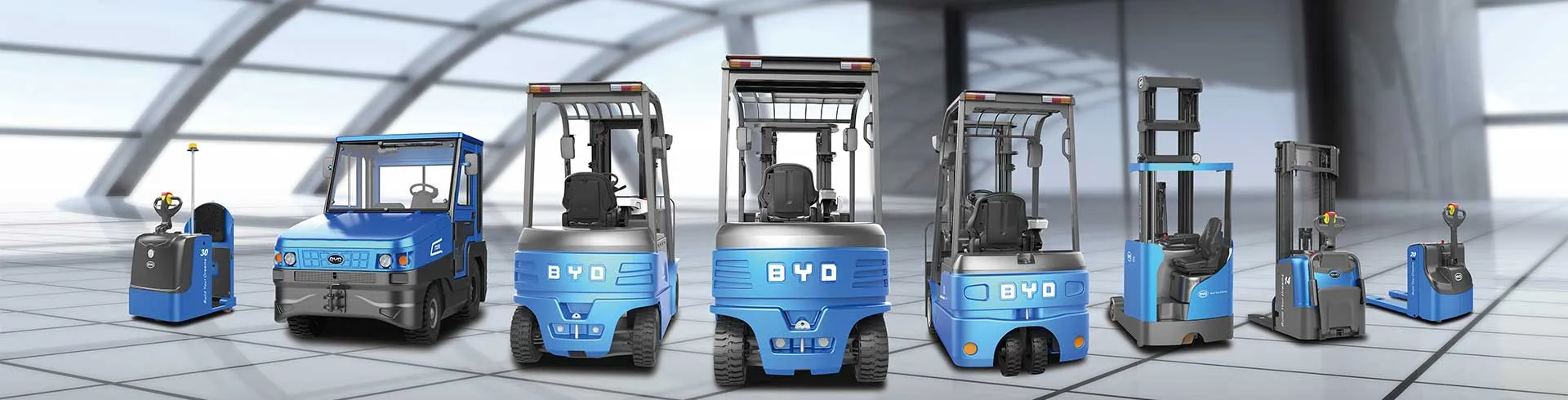
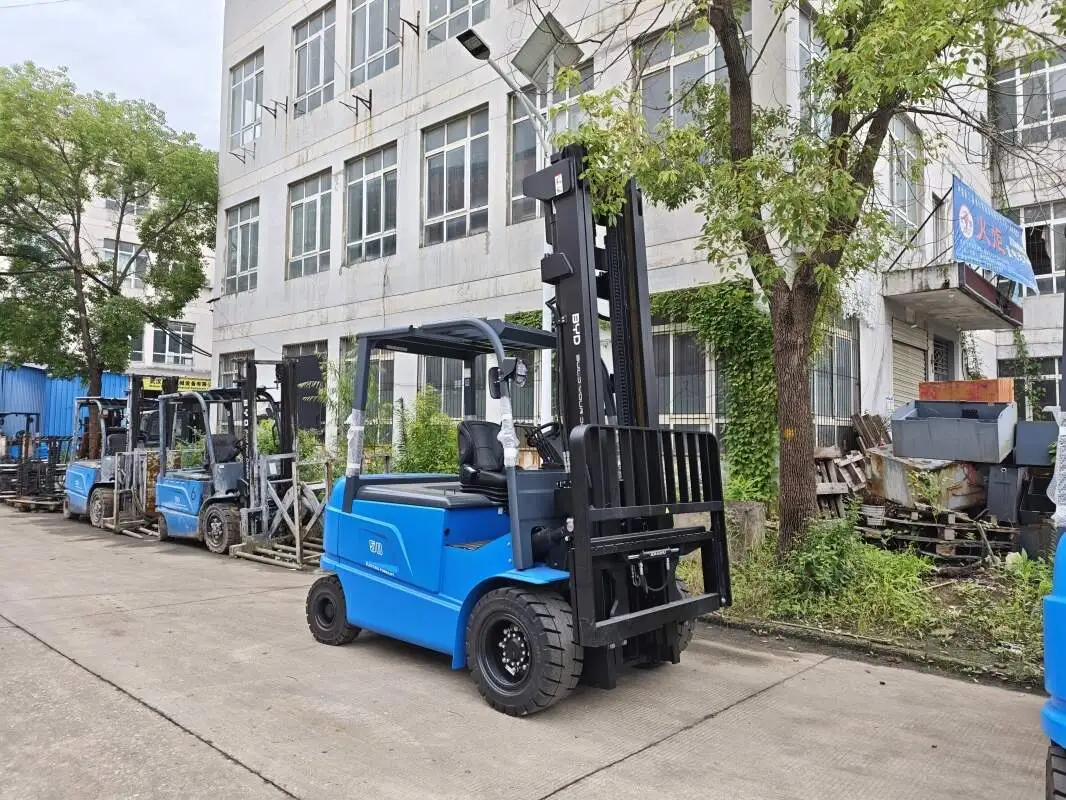
In the operation scenario of the pharmaceutical clean workshop, the three-point electric forklift has become a common equipment for material transfer due to its small size and high flexibility, but it is necessary to strictly follow the entry process and practical operation specifications to avoid damaging the clean environment.
First, the pre-entry preparation stage
Operators need to hold a valid forklift operation certificate, and have received special project training in clean workshop operations to master environmental control requirements. Vehicles need to complete pretreatment: comprehensively clean the body surface to remove dust and stains; check the vehicle sealing parts to ensure that there is no leakage in the battery compartment and hydraulic system; replace air filters that meet clean standards to prevent exhaust or dust from entering the workshop.
II. Formal entry process
1. Registration: Submit the operation application to the workshop management department in advance, indicating the operation time, route and material information, and enter the venue after approval.
2. On-site disinfection and sterilization: In the workshop buffer zone, use a disinfectant that meets medical-grade standards to wipe the inside and outside of the car body, focusing on cleaning the handles, control panels and other contact parts; some high-cleanliness workshops need to air-shower the vehicle to remove attached fine particles.
3. Performance test: Test the braking, steering, and lifting functions of the forklift at low speed in the buffer zone to confirm that there is no fault before entering the core area of the workshop.
Three, three pivot point electric forklift practical operation points
1. Driving specifications: keep driving at a low speed, the speed does not exceed 5km/h, avoid equipment and personnel in the workshop, and avoid sudden braking and sharp turning to generate dust. Take advantage of the turning advantages of the three-pivot model, anticipate the inner wheel difference in advance when turning in a narrow channel, and reserve enough safety space.
2. Stacking operation: Lift the goods lightly to avoid material shaking and falling; the stacking height must meet the load-bearing requirements of the workshop shelves, and super high-rise stacking is strictly prohibited. Keep the vehicle stable during the operation to prevent hydraulic oil leakage from polluting the environment.
3. Environmental protection: Wear clean clothes, gloves and other protective equipment throughout the operation to avoid human hair and dander falling off; if any abnormalities are found in the vehicle, stop the operation immediately and move the vehicle to the buffer zone to investigate the problem.
IV. Finish the work
After the operation is completed, drive the forklift back to the designated buffer zone, clean the surface of the vehicle again, and clean up the material residue. Fill in the operation record, indicating the operation time, vehicle status, and other information to facilitate subsequent traceability management.


