
 简体中文
简体中文 Deutsch
 日本語
日本語 한국어
한국어 Tiếng Việt
 Русский
 ไทย
ไทย Bahasa Indonesia
 Bahasa Melayu
 Filipino
 لالعربية
 Français
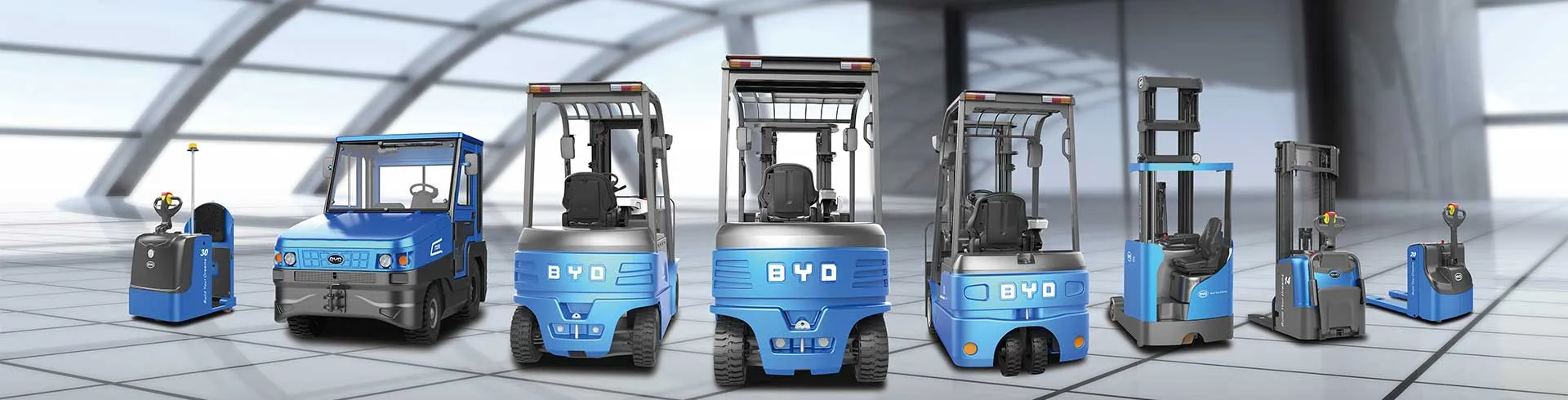
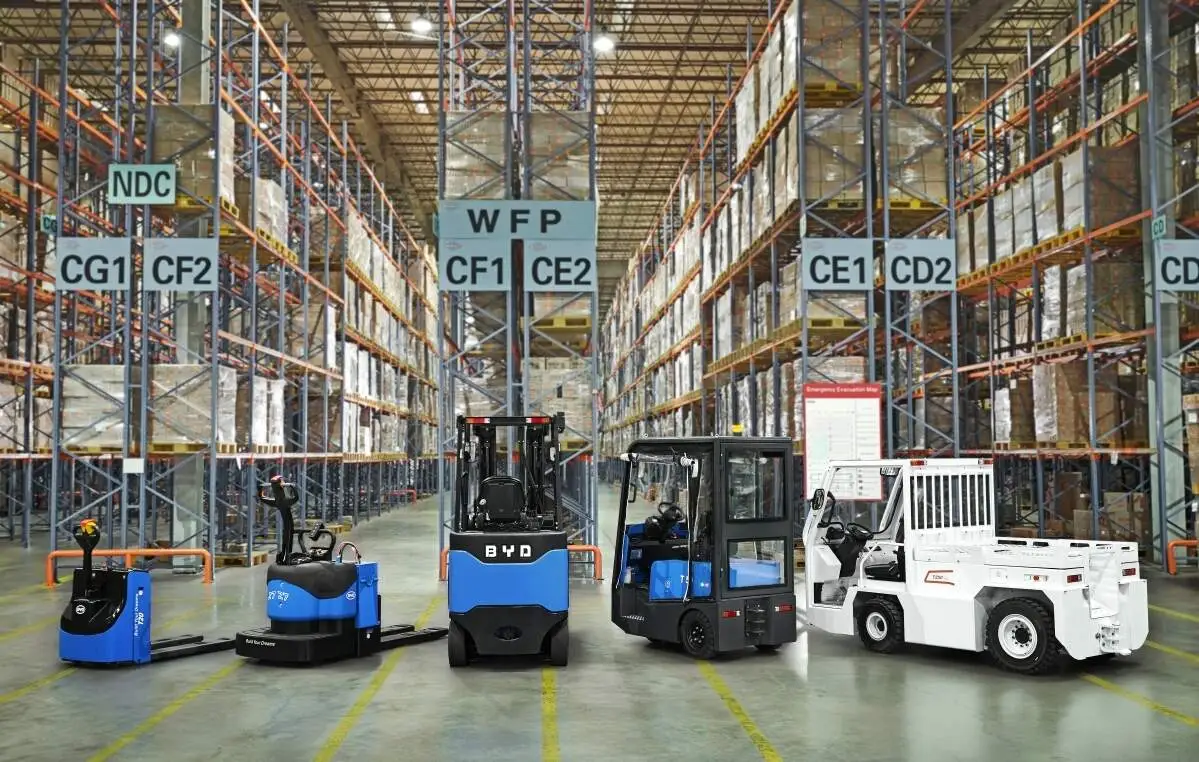
Food processing dust explosion-proof workshop has strict requirements on the safety performance of operating equipment due to the presence of flammable dust such as flour and starch. The 1-2.5-ton three-point electric forklift has become one of the core equipment for material transfer in this kind of workshop due to its flexible handling and adaptive bearing capacity. Its selection needs to be considered systematically in combination with environmental characteristics and operating requirements.
Explosion-proof grade adaptation is the core premise of the selection. The dust in the food workshop is a flammable dangerous medium, and the forklift truck needs to meet the corresponding dust explosion-proof grade standards to ensure that the key parts of the electrical system, power components and other key parts have explosion-proof protective structures, so as to avoid the risk of dust explosion caused by electrical sparks from the root. When selecting the model, it is necessary to carefully check the explosion-proof certification documents of the equipment to confirm the dust hazard area classification requirements of the adaptation workshop.
The matching of tonnage and operation scenarios is also critical. The bearing range of 1-2.5 tons can cover light and medium operation scenarios such as work in progress handling, raw material shelving, and short-distance transfer of finished products in the food workshop. The advantage of the small turning radius of the three-pivot model can better adapt to the steering needs of narrow passages and dense shelf areas in the workshop, effectively improve space utilization and operation efficiency, and avoid the problem of traffic blockage caused by too large models.
Performance and cleaning needs need to be taken into account. The food workshop has high requirements for equipment cleanliness, and the forklift needs to have an easy-to-clean appearance structure to reduce the possibility of bacterial growth from material residues. At the same time, attention should be paid to the battery life to ensure that the multi-shift continuous operation of the workshop is met; the climbing performance needs to be adapted to the small slope channel that may exist in the workshop to ensure the stability and safety of the material transfer process.
Finally, compliance and after-sales guarantee cannot be ignored. When selecting models, it is necessary to confirm that the equipment meets the requirements of special equipment safety regulations and has a complete factory qualification certificate. In addition, it is necessary to consider the after-sales maintenance capabilities of the supplier to ensure that the regular inspection and maintenance of explosion-proof parts can be followed up in a timely manner to ensure the long-term safe and stable operation of the equipment.


