
 简体中文
简体中文 Deutsch
 日本語
日本語 한국어
한국어 Tiếng Việt
 Русский
 ไทย
ไทย Bahasa Indonesia
 Bahasa Melayu
 Filipino
 لالعربية
 Français
Core requirements for material transfer in manufacturing workshops
Efficiency is the primary demand for material transfer in manufacturing workshops. The timeliness of material transfer directly affects the operation rhythm of the production line. If the transfer is delayed, it is easy to lead to production stagnation and increase time costs. The safety of transfer equipment cannot be ignored in the workshop, and it is necessary to avoid potential safety hazards such as collisions. In addition, with the improvement of environmental protection requirements, the demand for emission reduction in workshop operations has become increasingly prominent, and traditional transfer equipment has been difficult to adapt.
Application Advantages of Lithium Battery Forklift in Workshop Material Transfer
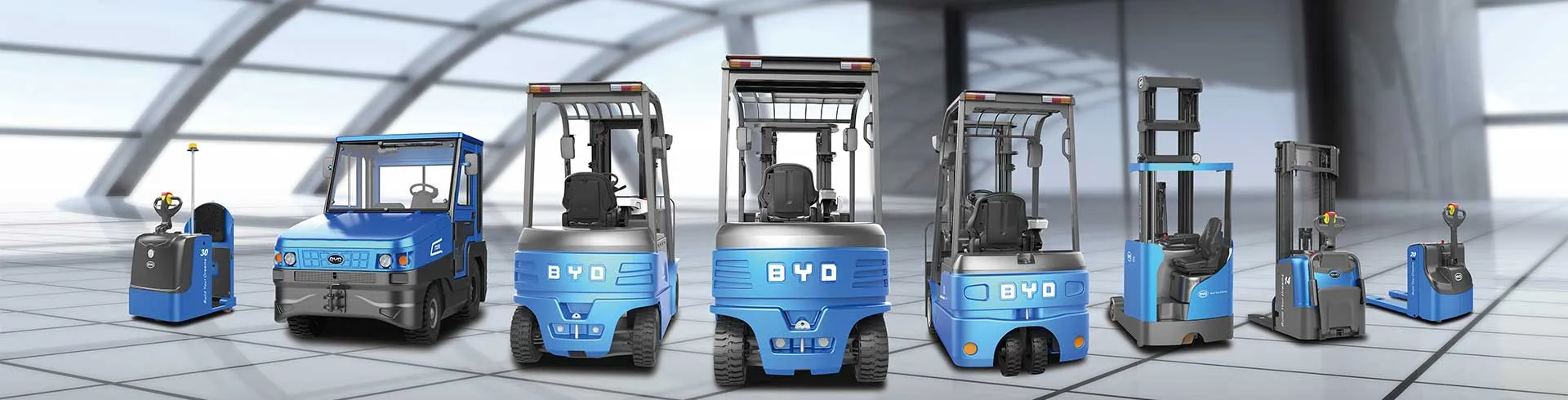
In terms of transshipment efficiency, lithium-ion forklifts have stable power output, do not need to wait for energy supply frequently during operation, and can adapt to the long-term and high-frequency transshipment needs of the workshop, reduce the operation interruption time, and improve the material transshipment volume per unit time. In terms of operating costs, the maintenance process of lithium-ion equipment is simplified, and there is no need to replace fuel, filter elements and other components, and the daily maintenance cost is lower; and the cost of electricity is more advantageous than that of fuel oil, and long-term use can reduce the overall operating expenditure. In terms of operating environment, lithium-ion equipment operates without exhaust emissions, does not produce odors and pollutants, maintains clean air in the workshop, improves the environment of operators, and adapts to the environmental control requirements of the workshop.


