
 简体中文
简体中文 Deutsch
 日本語
日本語 한국어
한국어 Tiếng Việt
 Русский
 ไทย
ไทย Bahasa Indonesia
 Bahasa Melayu
 Filipino
 لالعربية
 Français
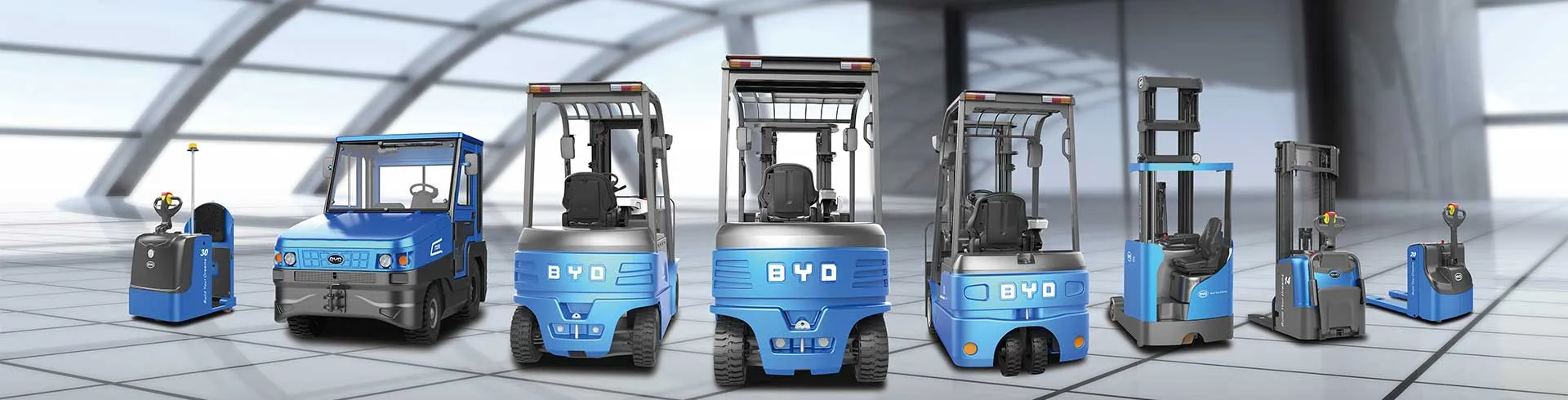
Sorting out the conventional pain points of material transfer in the workshop
Common problems with traditional transfer equipment
The material transfer process in many manufacturing workshops covers multiple processes such as raw material warehousing, cross-station distribution, and finished product outbound. The transfer frequency is high, and the load demand is stable. Many traditional transfer equipment has long charging time, large battery life fluctuations, and cumbersome DevOps flow. It is easy to disrupt the normal production rhythm. Many production enterprises are looking for more suitable handling equipment to optimize the transfer process.
The core requirements of workshop transfer equipment
For production workshops, easy-to-use transfer equipment must first be able to adapt to long-term shift operations, without frequent shutdowns to make up for energy, and secondly, it must be easy to operate, lowering the threshold for first-line operators to get started, and at the same time, the operation state is stable, reducing unnecessary downtime. It is also necessary to take into account long-term use costs and control the relevant investment in subsequent operation and maintenance.
The practical use experience of ECB35 lithium battery forklift sharing
Daily work performance
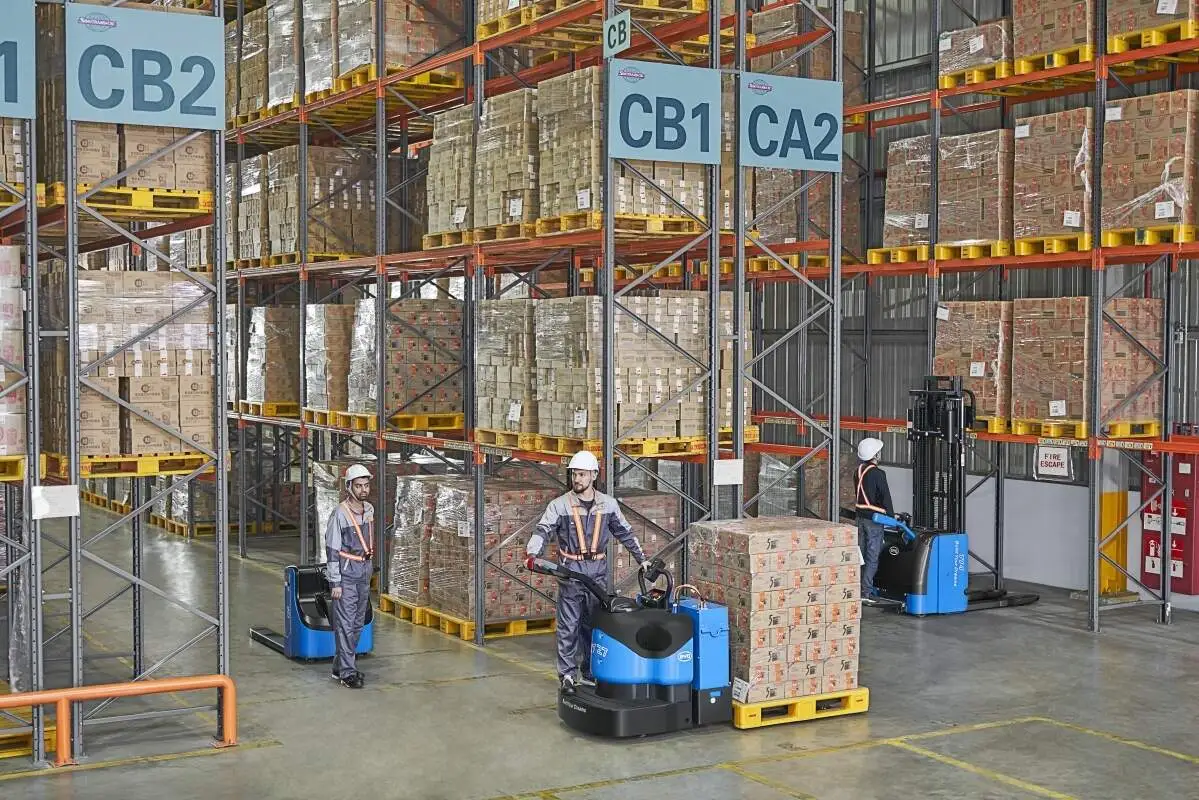
After the introduction of this lithium-ion forklift in our workshop, we are responsible for all kinds of material transfer work within 3.5 tons on a daily basis, covering the full-path transfer needs from the raw material warehouse to the production station, and the finished product station to the finished product warehouse. The single-day transfer frequency is stable, and it can cover the entire day shift operation needs under full power, and no additional energy is required in the middle. The steering radius of the equipment is small, allowing it to pass flexibly in the standard passage reserved by the workshop without getting stuck.
Long-term operation and maintenance experience
Since using this period of time, the overall DevOps flow has been very simple, no complicated regular maintenance steps are required, the battery state is stable, and there is no rapid decay. The operation interface of the equipment has been simplified, and new operators can get started after simple training. The overall smoothness of the operation has been significantly improved, and there has been no delay in production scheduling due to equipment failure.
Suggestions for adapting scenarios
Applicable scenario description
This lithium-ion forklift truck is more suitable for conventional material transfer scenarios in medium and large manufacturing industries. It has a relatively high degree of adaptability for production enterprises whose workshop passage width meets the standard and the single-day transfer load is concentrated in the 3-ton range. Practitioners with equipment upgrade needs can make further reference assessments based on their actual working conditions.


