
 简体中文
简体中文 Deutsch
 日本語
日本語 한국어
한국어 Tiếng Việt
 Русский
 ไทย
ไทย Bahasa Indonesia
 Bahasa Melayu
 Filipino
 لالعربية
 Français
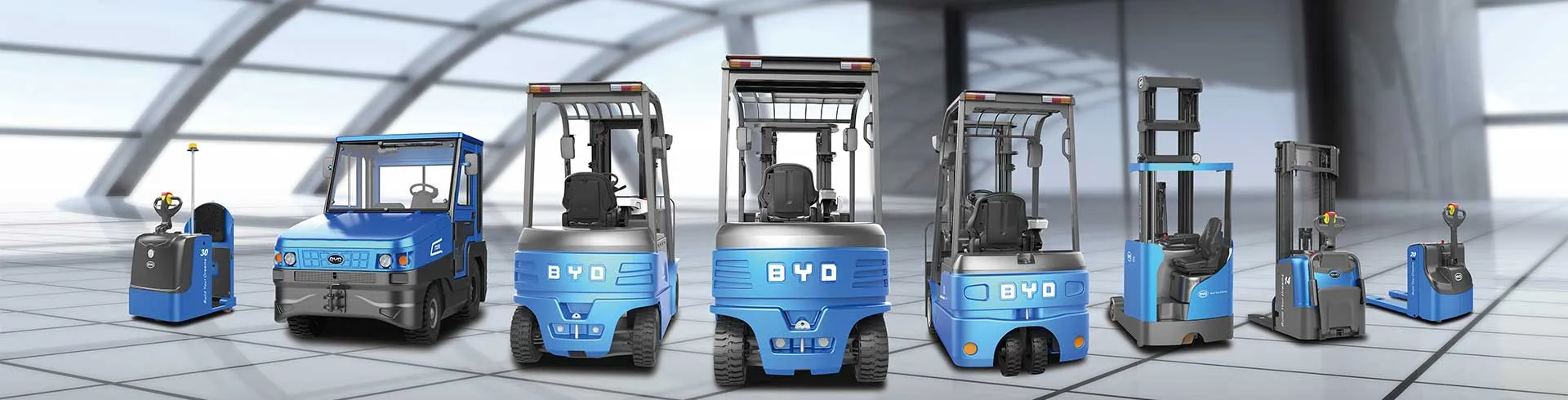
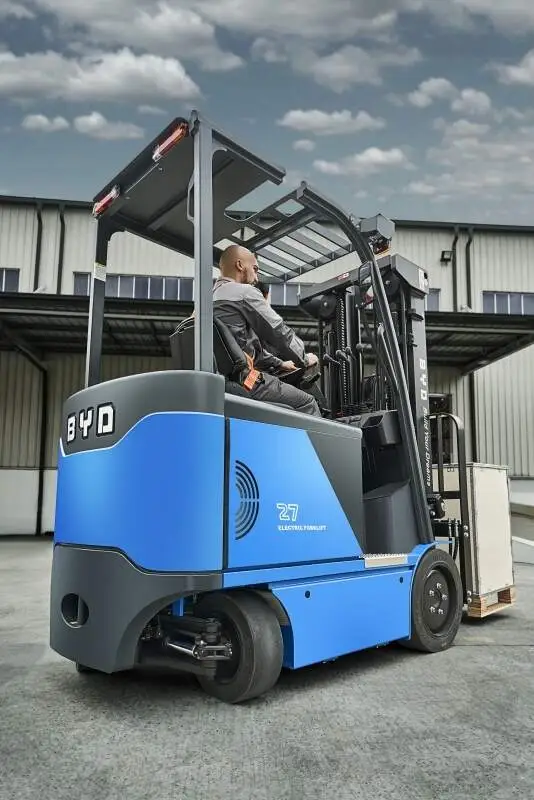
When purchasing an electric forklift CPD16S, it is necessary to fully understand its core parameters and adaptation scenarios to ensure that the purchased equipment not only meets the needs of the operation, but also has long-term use value. The following is explained from the two aspects of parameter analysis and selection points.
The core parameters are the basis for evaluating the performance of forklifts, among which the rated lifting weight directly determines whether the equipment can stably carry the target goods. CPD16S usually has a rated lifting weight of 1.6 tons. It is necessary to calculate the load balance in combination with the actual weight of the goods (including pallets, cargo boxes, etc.) to avoid equipment failure or safety hazards caused by overload. In terms of power system, electric forklifts rely on battery power, and battery capacity and battery life are the keys. Under general configuration, they can support about 8 hours of continuous operation under full power. The specific duration varies depending on working conditions, load, and ambient temperature. Charging time needs to be considered. Mainstream models generally take 6-8 hours from full charge to full charge. Some models that support fast charging can be shortened to 3-4 hours, which is suitable for multi-shift operation scenarios.
The operating performance parameters are equally important. The driving speed is divided into two types: full load and no load. The maximum speed can reach 15-18 km/h when no load. Due to the slightly lower load limit when full load, it is necessary to judge whether it is suitable according to the channel width of the working area. The lifting height is the core indicator of the high shelf operation of the warehouse. The lifting height of the conventional model is mostly about 3 meters. If it involves higher shelf access, it is necessary to confirm whether the equipment supports the customized gantry length. The steering radius affects the flexibility of narrow channel operation. A smaller turning radius (such as 2.5-3 meters) can reduce the need for turning space and is suitable for intensive warehouse layouts.
In the selection process, it is necessary to comprehensively consider the actual operation scenarios. If the operation area is a multi-layer warehouse or needs to be lifted frequently, the lifting height and the strength of the gantry need to be satisfied first to avoid affecting the operation efficiency due to the height limit of the goods. Ground conditions also need to be paid attention to. Concrete floors or flat floors can be adapted to conventional tires. If it is a soft floor (such as the loading and unloading area outside the warehouse), pneumatic tires or special tires need to be selected to enhance passability. In scenarios with high frequency of use, battery life and charging efficiency need to be matched. If the daily operation exceeds 6 hours, a dual battery configuration can be considered to ensure uninterrupted operation throughout the day.
In addition, long-term cost control cannot be ignored. The initial purchase price needs to match the performance of the equipment to avoid the blind pursuit of low prices, which will lead to excessive subsequent maintenance costs. The battery maintenance cycle and the stability of parts supply affect the life of the equipment. Choosing a brand or dealer with wide after-sales network coverage and fast response speed can reduce downtime. The convenience of operation is equally important. For example, equipped with a clear dashboard display and an ergonomic operating handle, it can reduce driver fatigue and improve operation accuracy and safety.
Finally, it is recommended to clarify the specific job requirements list before purchasing, compare the parameter adaptability under different working conditions, and combine the test machine experience if necessary to ensure that the selected electric forklift can not only meet current needs, but also have the flexibility for future business expansion.


