
 简体中文
简体中文 Deutsch
 日本語
日本語 한국어
한국어 Tiếng Việt
 Русский
 ไทย
ไทย Bahasa Indonesia
 Bahasa Melayu
 Filipino
 لالعربية
 Français
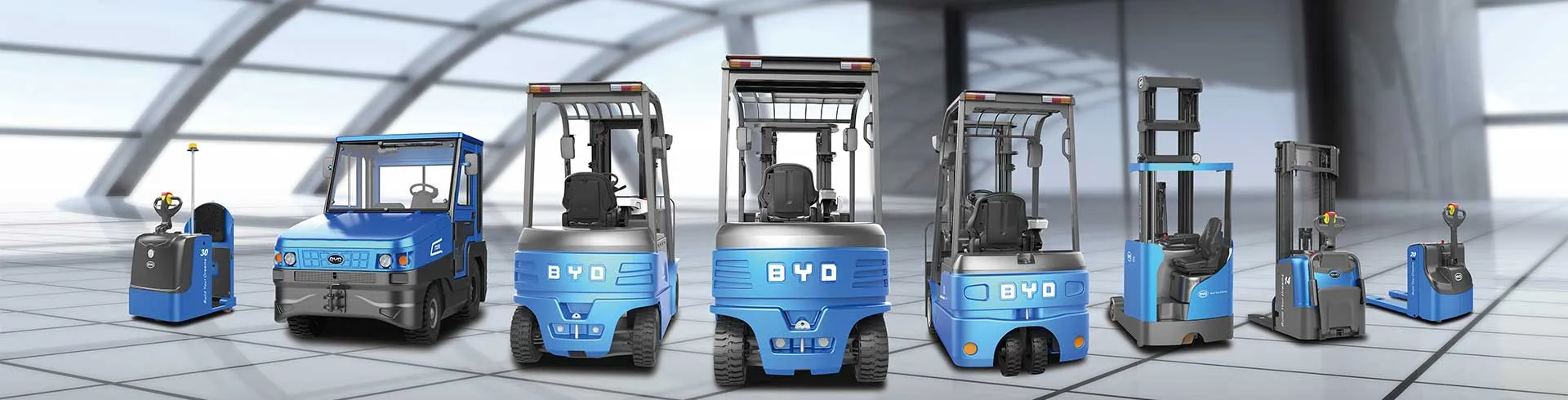
In the modern warehousing and logistics system, high-level warehousing operations have high requirements on the space utilization rate, operation efficiency and stability of forklifts. Reach lithium-ion forklifts and counterbalanced forklifts are common high-level warehousing equipment. How to scientifically select according to actual needs is the key to improving the efficiency of warehousing management for enterprises. This paper will compare and analyze the core characteristics and scope of application of the two from the dimensions of operation scenarios, space adaptation, energy consumption costs, etc., to provide reference for the selection of high-level warehousing forklifts.
Core Considerations of Forklift Truck Selection in High-level Storage Scenario
Operating environment and spatial conditions analysis
The core space constraint of high-level warehousing operations lies in the shelf layout and channel width. With its unique door frame forward design, the forward-moving lithium-ion forklift can greatly reduce the steering radius when operating between shelves, which is especially suitable for storage environments with limited channel width, such as the dense shelf area of e-commerce warehouses, and the efficient handling needs in narrow passages. Counterweight forklifts require more operating space when turning or turning due to the traditional counterweight structure. They are usually suitable for scenes with large channel width and relatively open space layout, such as heavy-duty cargo storage areas in large industrial plants. The difference in space adaptation between the two directly affects their feasibility in different warehousing scenarios.
#Comparison of operation efficiency and energy consumption indicators
In terms of operating efficiency, the reach-type lithium-ion forklift adopts electric drive and precise control technology, which performs stably in high-frequency lifting and handling operations, and is especially suitable for high-level cargo access that requires rapid turnover. Its lithium-ion power system does not require complex fuel line maintenance, energy consumption costs are relatively low, and the low noise characteristics of electric drive are more in line with the requirements of modern warehousing for the working environment. The operating efficiency of the counterweight forklift is limited by the moving inertia of the counterweight structure, which may be slightly limited in multi-frequency and short-distance handling scenarios, but some heavy-duty models still have advantages in a single large-load operation. From the perspective of energy consumption, the energy conversion efficiency of the reach-type lithium-ion forklift is higher, and long-term use can reduce operating costs. However, if the counterbalanced forklift adopts traditional electric or fuel power, the energy consumption and maintenance costs may be relatively high.
#Investment cost and long-term operating value evaluation
In terms of initial purchase cost, the initial investment of the reach lithium forklift may be slightly higher than that of some traditional counterweight forklifts due to the use of lithium battery technology and the forward structure. However, from the perspective of long-term operation, the battery life of the lithium battery power system is longer, and there is no need to frequently replace the fuel oil or maintain the mechanical structure, so the comprehensive cost advantage is significant. If the counterweight forklift chooses electric drive, its maintenance cost is relatively controllable, but the battery life and energy consumption performance may not be as good as that of the lithium battery system; if it is fuel-powered, the long-term fuel consumption and exhaust treatment costs are more obvious. For enterprises that focus on environmental protection and long-term operational efficiency, the comprehensive return on investment cycle of the reach lithium battery forklift is usually shorter.
Adaptation Scenario of Reach Lithium Battery Forklift and Counterbalanced Forklift
Typical application scenarios of forward-moving lithium forklifts include: high-shelf dense storage areas in e-commerce warehouses, which need to complete high-frequency and small-batch cargo access in narrow passages; industries with high cleanliness requirements such as medicine and electronics, low noise and zero emissions meet the needs of the production environment; small logistics centers or distribution stations, areas with limited space but high cargo turnover efficiency requirements. In such scenarios, forward-moving lithium forklifts can effectively improve storage space utilization due to their compact design and efficient operation.
Counterbalanced forklifts are more suitable for: outdoor operation sites of large industrial enterprises or heavy cargo handling, such as the loading, unloading and transshipment of heavy objects such as steel and equipment; traditional storage centers with open passages and flexible spatial layout need to deal with heavier loads (such as pallet heavy objects) and scenes where the efficiency of a single operation is higher than the space utilization rate. The stability of its counterweight structure is more advantageous in heavy-duty and complex terrain operations.
How to determine the selection direction according to requirements
Clear working space conditions are the first prerequisite for selection. If the storage channel width is limited (e.g. ≤2 meters), the shelf height is more than 10 meters, and high-frequency operation is required, the forward-moving lithium forklift is more suitable; if the channel width is ≥2.5 meters, the space layout is open, and heavy goods (e.g. pallets over 2 tons) need to be carried, the stability of the counterweight forklift is more valuable.
When evaluating the operating frequency and load demand, if hundreds of cargo accesses need to be completed every day, and small batches, light to medium-weight goods are the main ones, the flexibility and energy consumption advantages of the forward-moving lithium-ion forklift are more prominent; if the single operating load is large (e.g. more than 3 tons) and the daily operating frequency is low, the structural stability of the counterbalanced forklift can reduce the risk of heavy-duty operations.
Taking into account operating costs and environmental protection requirements, if an enterprise focuses on green storage and long-term reduction in energy expenditure, the lithium-ion power system of a reach-type lithium-ion forklift is a better choice; if the site allows and the initial cost needs to be taken into account, the traditional power solution of a counterbalanced forklift can be used as a transition option.
In the modern warehousing and logistics system, high-level warehousing operations have high requirements on the space utilization rate, operation efficiency and stability of forklifts. Reach lithium-ion forklifts and counterbalanced forklifts are common high-level warehousing equipment. How to scientifically select according to actual needs is the key to improving the efficiency of warehousing management for enterprises. This paper will compare and analyze the core characteristics and scope of application of the two from the dimensions of operation scenarios, space adaptation, energy consumption costs, etc., to provide reference for the selection of high-level warehousing forklifts.
Core Considerations of Forklift Truck Selection in High-level Storage Scenario
Operating environment and spatial conditions analysis
The core space constraint of high-level warehousing operations lies in the shelf layout and channel width. With its unique door frame forward design, the forward-moving lithium-ion forklift can greatly reduce the steering radius when operating between shelves, which is especially suitable for storage environments with limited channel width, such as the dense shelf area of e-commerce warehouses, and the efficient handling needs in narrow passages. Counterweight forklifts require more operating space when turning or turning due to the traditional counterweight structure. They are usually suitable for scenes with large channel width and relatively open space layout, such as heavy-duty cargo storage areas in large industrial plants. The difference in space adaptation between the two directly affects their feasibility in different warehousing scenarios.
Comparison of operating efficiency and energy consumption indicators
In terms of operating efficiency, the reach-type lithium-ion forklift adopts electric drive and precise control technology, which performs stably in high-frequency lifting and handling operations, and is especially suitable for high-level cargo access that requires rapid turnover. Its lithium-ion power system does not require complex fuel line maintenance, energy consumption costs are relatively low, and the low noise characteristics of electric drive are more in line with the requirements of modern warehousing for the working environment. The operating efficiency of the counterweight forklift is limited by the moving inertia of the counterweight structure, which may be slightly limited in multi-frequency and short-distance handling scenarios, but some heavy-duty models still have advantages in a single large-load operation. From the perspective of energy consumption, the energy conversion efficiency of the reach-type lithium-ion forklift is higher, and long-term use can reduce operating costs. However, if the counterbalanced forklift adopts traditional electric or fuel power, the energy consumption and maintenance costs may be relatively high.
Investment cost and long-term operating value evaluation
In terms of initial purchase cost, the initial investment of the reach lithium forklift may be slightly higher than that of some traditional counterweight forklifts due to the use of lithium battery technology and the forward structure. However, from the perspective of long-term operation, the battery life of the lithium battery power system is longer, and there is no need to frequently replace the fuel oil or maintain the mechanical structure, so the comprehensive cost advantage is significant. If the counterweight forklift chooses electric drive, its maintenance cost is relatively controllable, but the battery life and energy consumption performance may not be as good as that of the lithium battery system; if it is fuel-powered, the long-term fuel consumption and exhaust treatment costs are more obvious. For enterprises that focus on environmental protection and long-term operational efficiency, the comprehensive return on investment cycle of the reach lithium battery forklift is usually shorter.
Adaptation Scenario of Reach Lithium Battery Forklift and Counterbalanced Forklift
Typical application scenarios of forward-moving lithium forklifts include: high-shelf dense storage areas in e-commerce warehouses, which need to complete high-frequency and small-batch cargo access in narrow passages; industries with high cleanliness requirements such as medicine and electronics, low noise and zero emissions meet the needs of the production environment; small logistics centers or distribution stations, areas with limited space but high cargo turnover efficiency requirements. In such scenarios, forward-moving lithium forklifts can effectively improve storage space utilization due to their compact design and efficient operation.
Counterbalanced forklifts are more suitable for: outdoor operation sites of large industrial enterprises or heavy cargo handling, such as the loading, unloading and transshipment of heavy objects such as steel and equipment; traditional storage centers with open passages and flexible spatial layout need to deal with heavier loads (such as pallet heavy objects) and scenes where the efficiency of a single operation is higher than the space utilization rate. The stability of its counterweight structure is more advantageous in heavy-duty and complex terrain operations.
How to determine the selection direction according to requirements
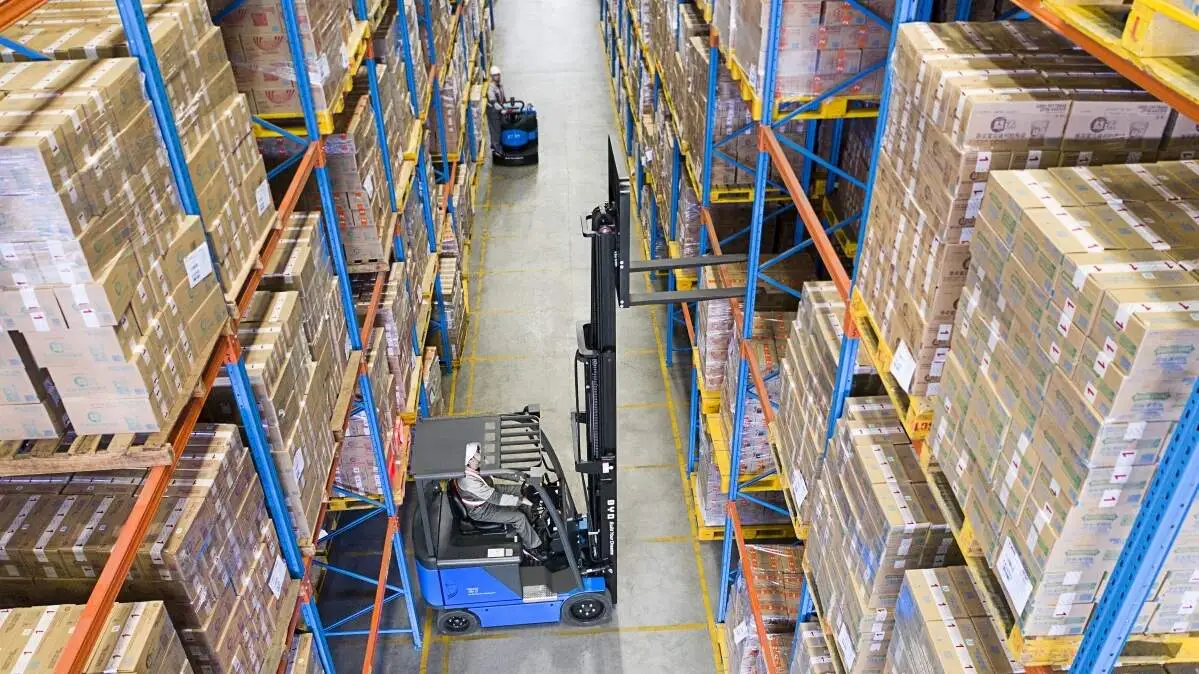
Clear working space conditions are the first prerequisite for selection. If the storage channel width is limited (e.g. ≤2 meters), the shelf height is more than 10 meters, and high-frequency operation is required, the forward-moving lithium forklift is more suitable; if the channel width is ≥2.5 meters, the space layout is open, and heavy goods (e.g. pallets over 2 tons) need to be carried, the stability of the counterweight forklift is more valuable.
When evaluating the operating frequency and load demand, if hundreds of cargo accesses need to be completed every day, and small batches, light to medium-weight goods are the main ones, the flexibility and energy consumption advantages of the forward-moving lithium-ion forklift are more prominent; if the single operating load is large (e.g. more than 3 tons) and the daily operating frequency is low, the structural stability of the counterbalanced forklift can reduce the risk of heavy-duty operations.
Taking into account operating costs and environmental protection requirements, if an enterprise focuses on green storage and long-term reduction in energy expenditure, the lithium-ion power system of a reach-type lithium-ion forklift is a better choice; if the site allows and the initial cost needs to be taken into account, the traditional power solution of a counterbalanced forklift can be used as a transition option.
In the selection of high-level storage forklifts, it is necessary to comprehensively consider the actual operation scenarios, space conditions, efficiency requirements and long-term operation goals. Reach lithium-ion forklifts are suitable for the fine management of modern warehouses due to their space adaptability, environmental protection and high efficiency; counterbalanced forklifts still play an irreplaceable role in specific heavy-duty and open scenarios. Enterprises should scientifically evaluate the core advantages of the two according to their own storage scale, cargo characteristics and operation mode, and choose the most matching equipment to achieve a balance between storage efficiency and cost control.


